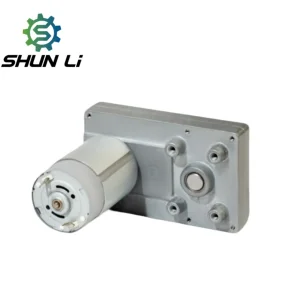
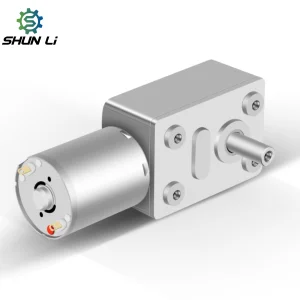
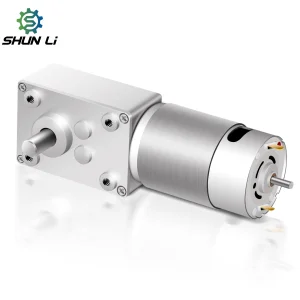
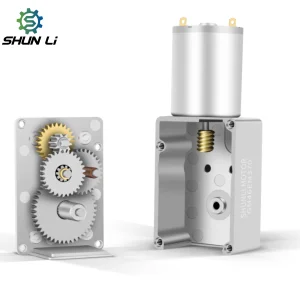
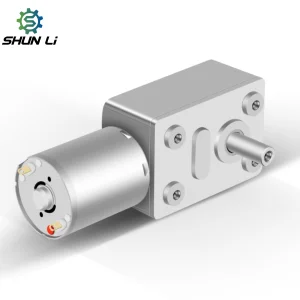
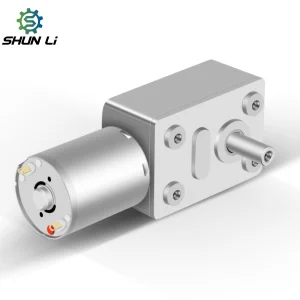
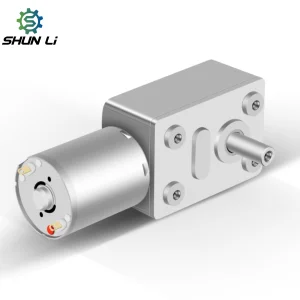
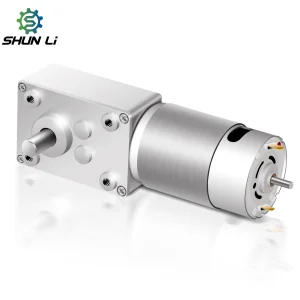
Engineered for high starting torque and compact space limitations. Featuring self-locking actions and rugged gearbox constructions.
Nagoya, the capital of Aichi Prefecture, stands as the pulsating heart of Japan’s manufacturing, automotive, and robotics sectors. Operating within this highly competitive industrial corridor requires motion engineering of the highest caliber. At TTM Motor, we don’t just manufacture motors—we engineer motion.
Our engineering framework focuses heavily on the demands of Nagoya's automotive supply chain and heavy machine tools. We understand that in the world of advanced robotics, medical equipment, and smart automation, a fraction of a millimeter or a micro-level torque variance can dictate the success of your entire project. That is why our advanced R&D facility is dedicated entirely to pushing the boundaries of micro-drive performance.
Every micro DC motor, planetary gearhead, and brushless drive (BLDC) we produce is a result of rigorous cross-disciplinary engineering. Armed with advanced CAD/CAM software, automated winding technologies, and precision dynamic balancing testing equipment, our in-house engineering team bridges the gap between your conceptual design and volume manufacturing.
From premium raw material inspection to automated micro-soldering and mechanical stress analysis, we ensure compliance with international industrial standards.
 Raw Material
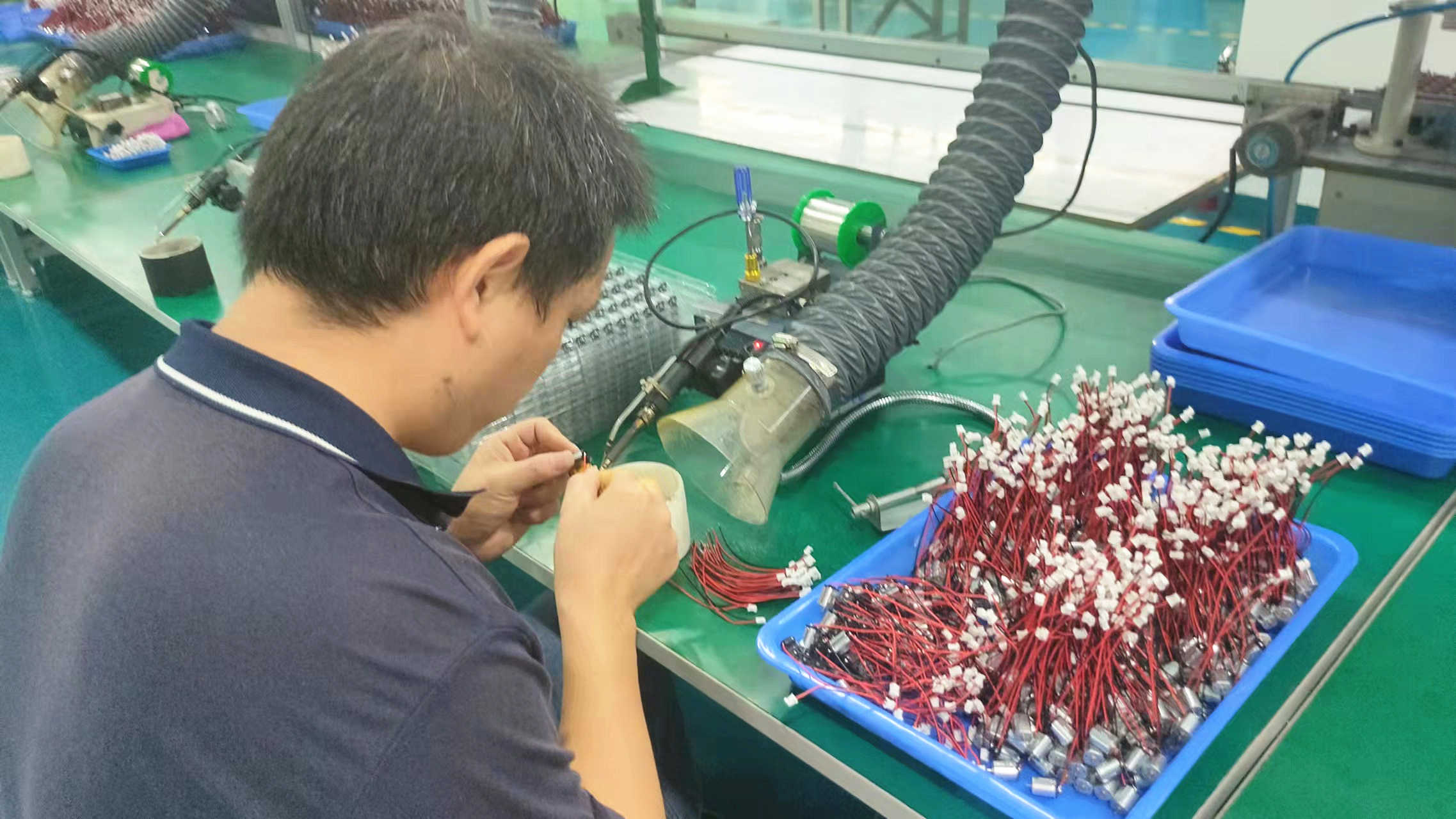 Soldering
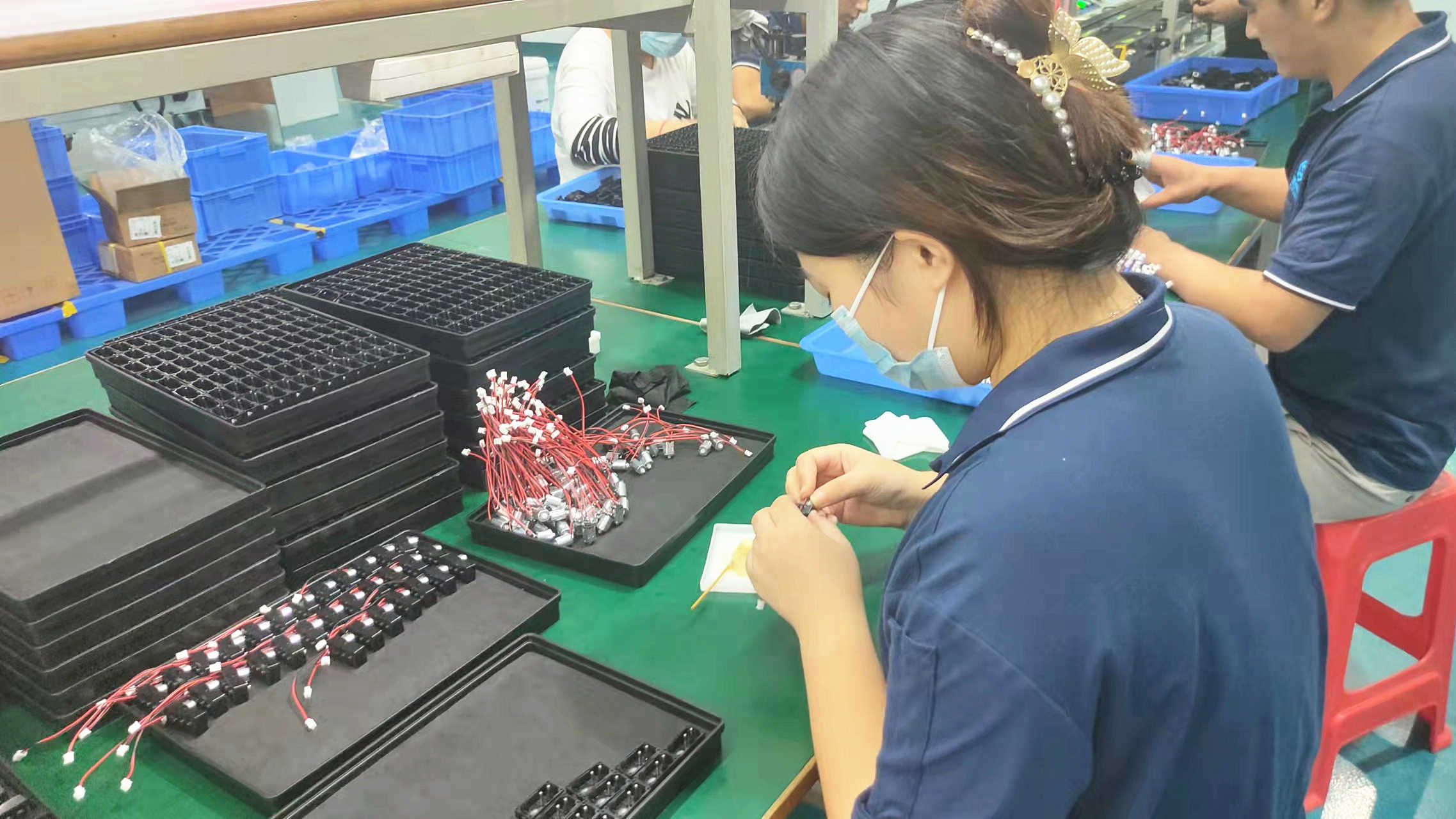 Assembling
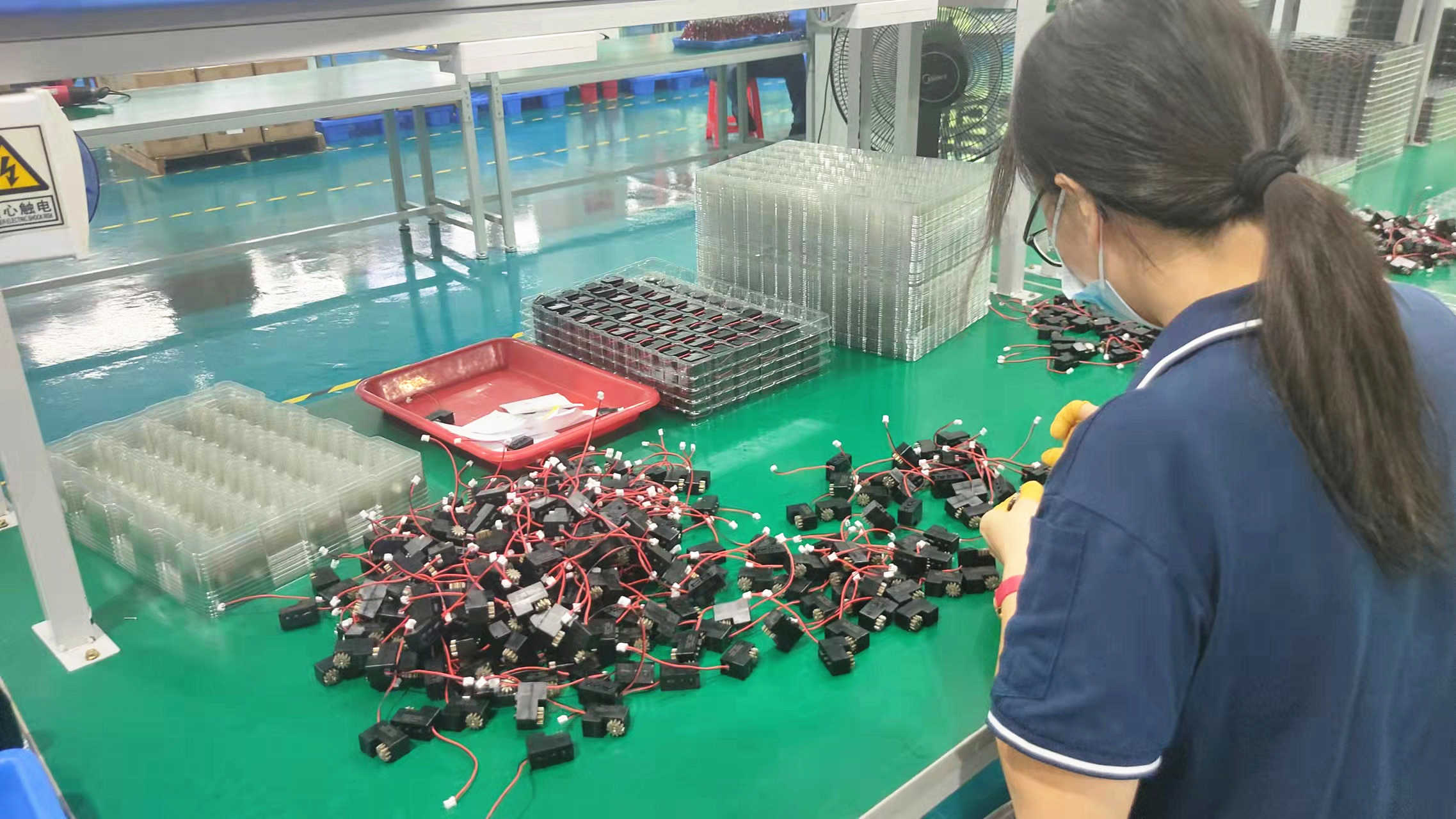 Testing
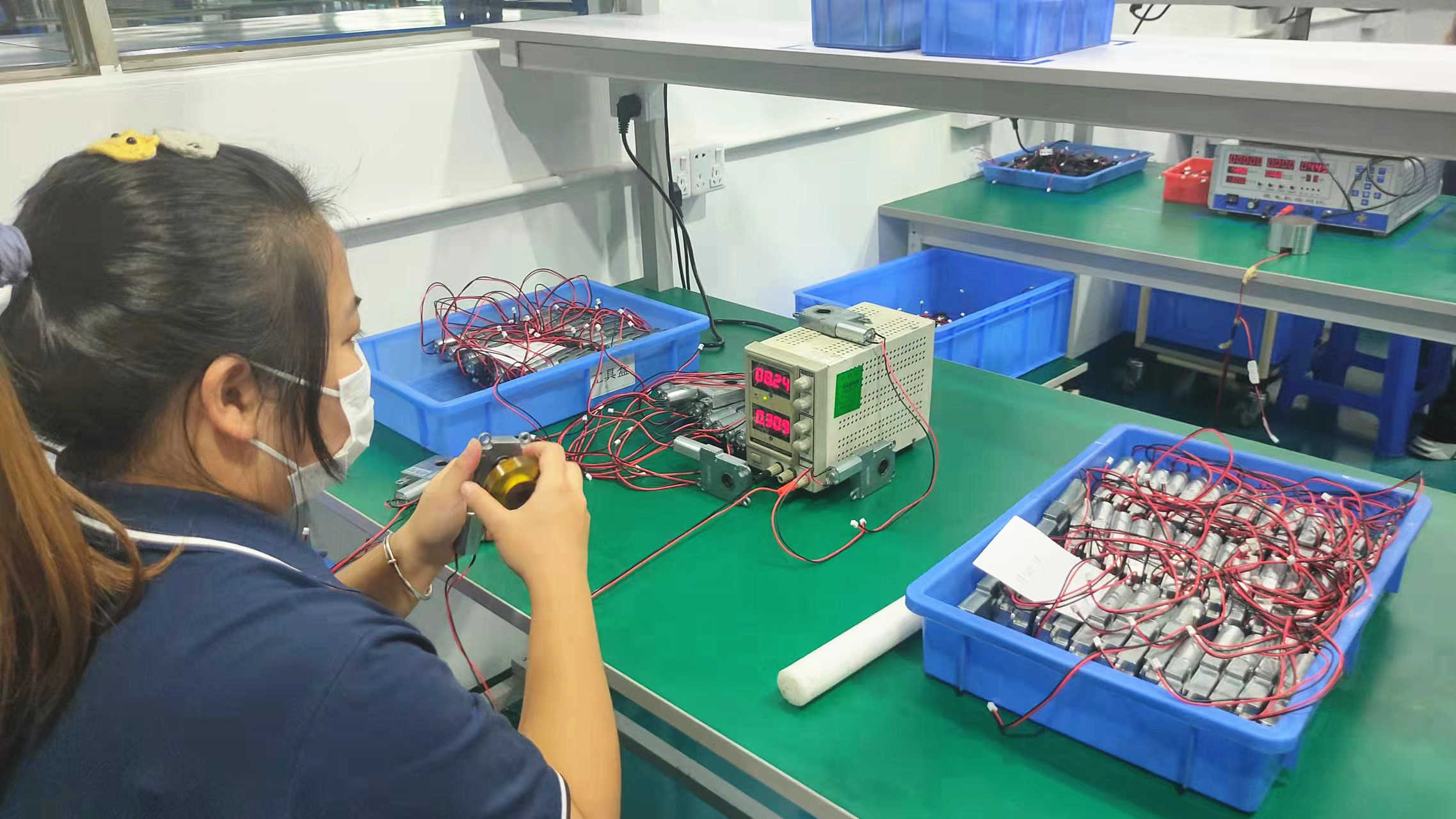 Packing
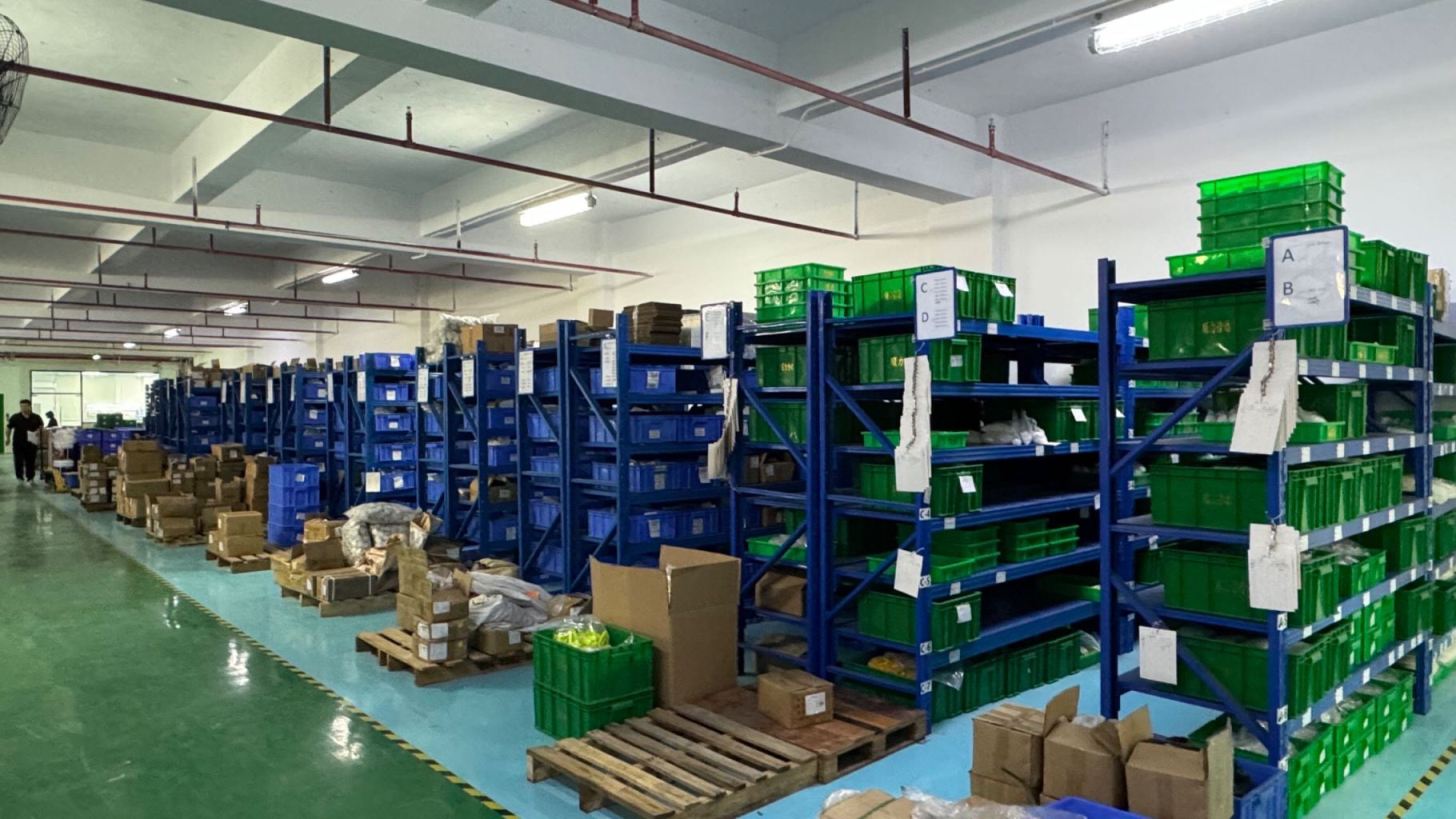 Storage
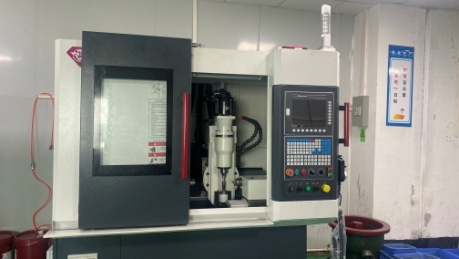 Ningjiang Machine Tool
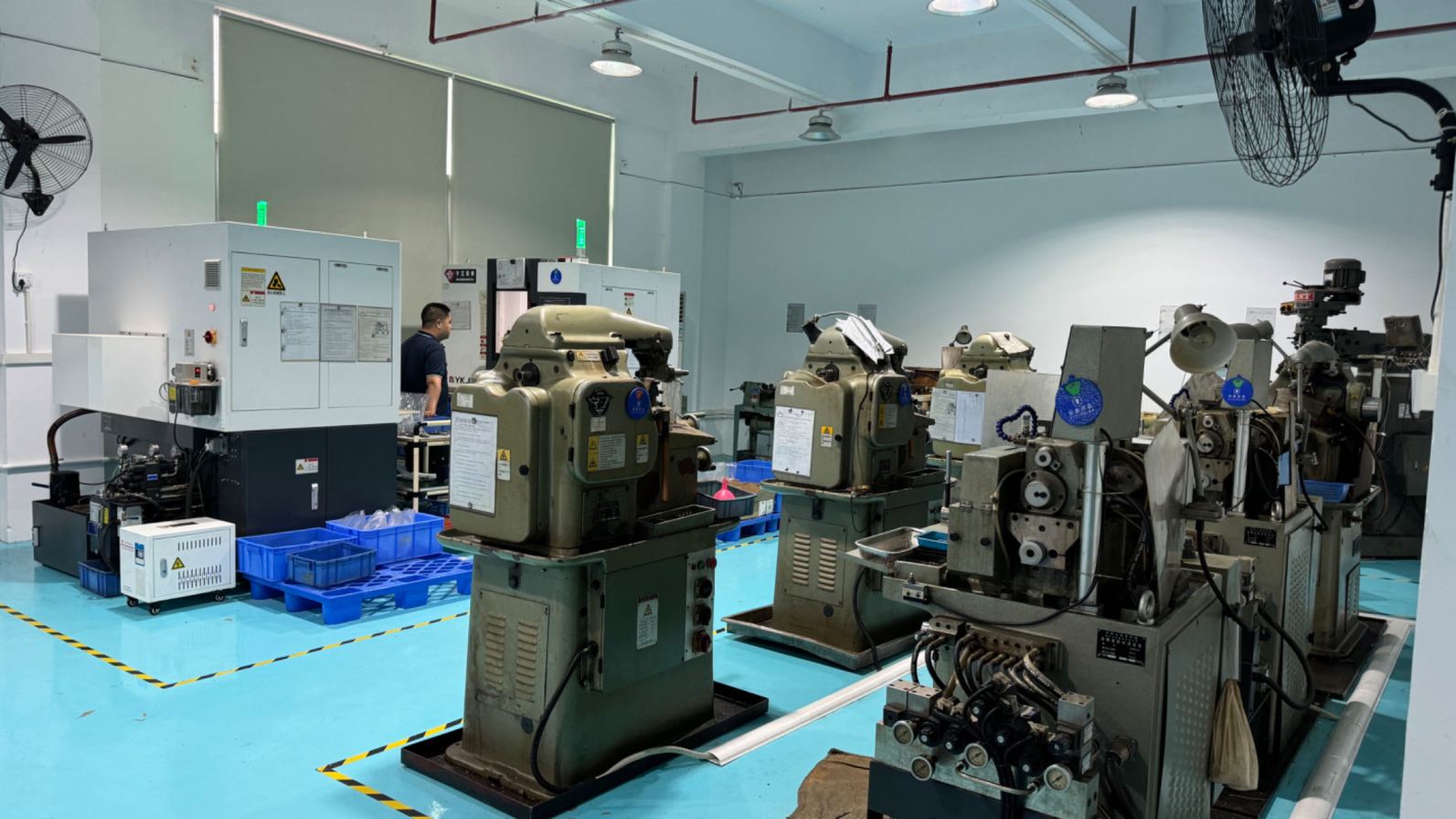 Horizontal Gear Hobber
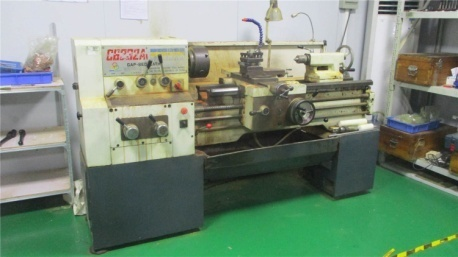 Precision Lathe
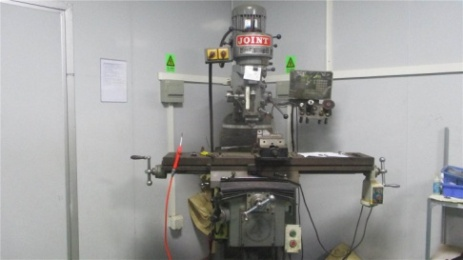 Milling Machine
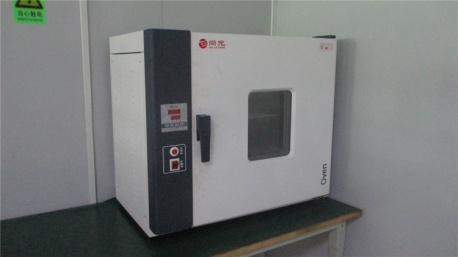 Industrial Oven
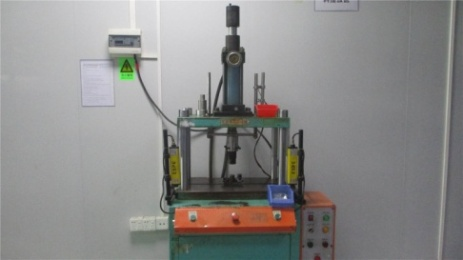 Auto-Riveting
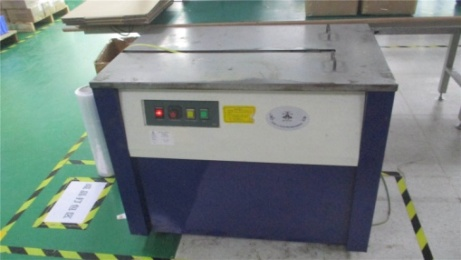 Packing System
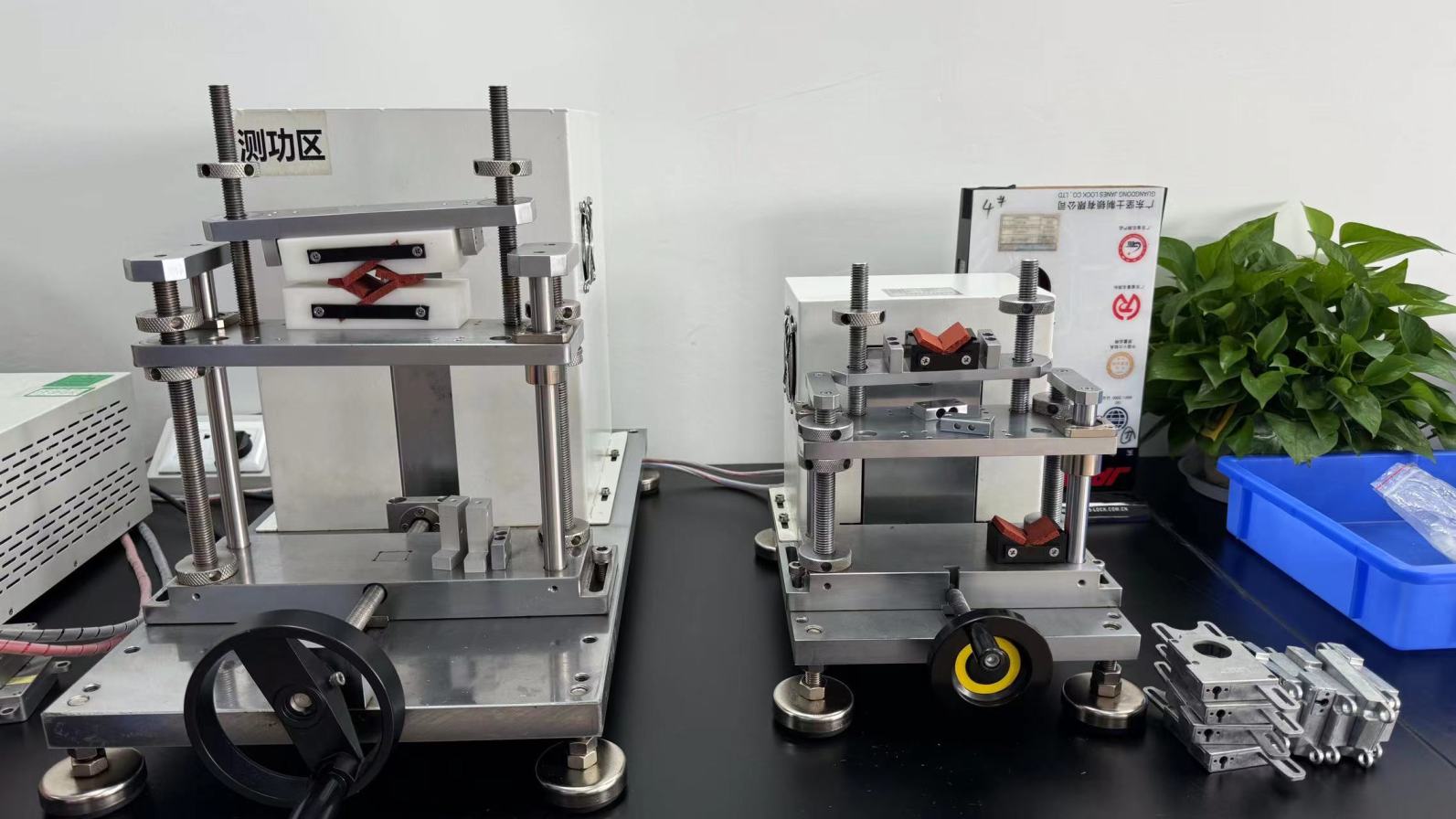 Pneumatic Press
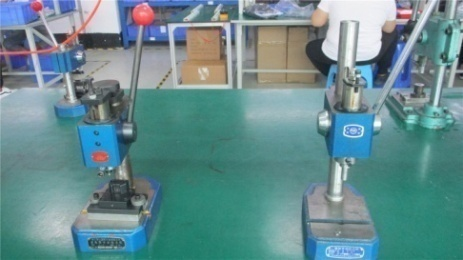 Manual Press
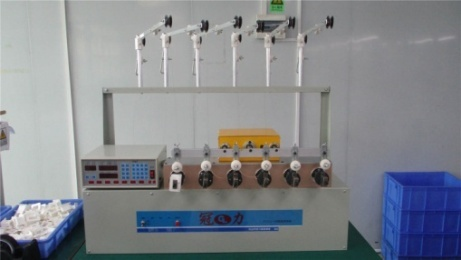 Computer Winder
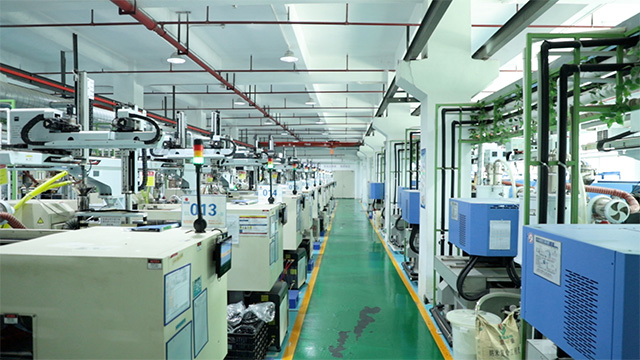
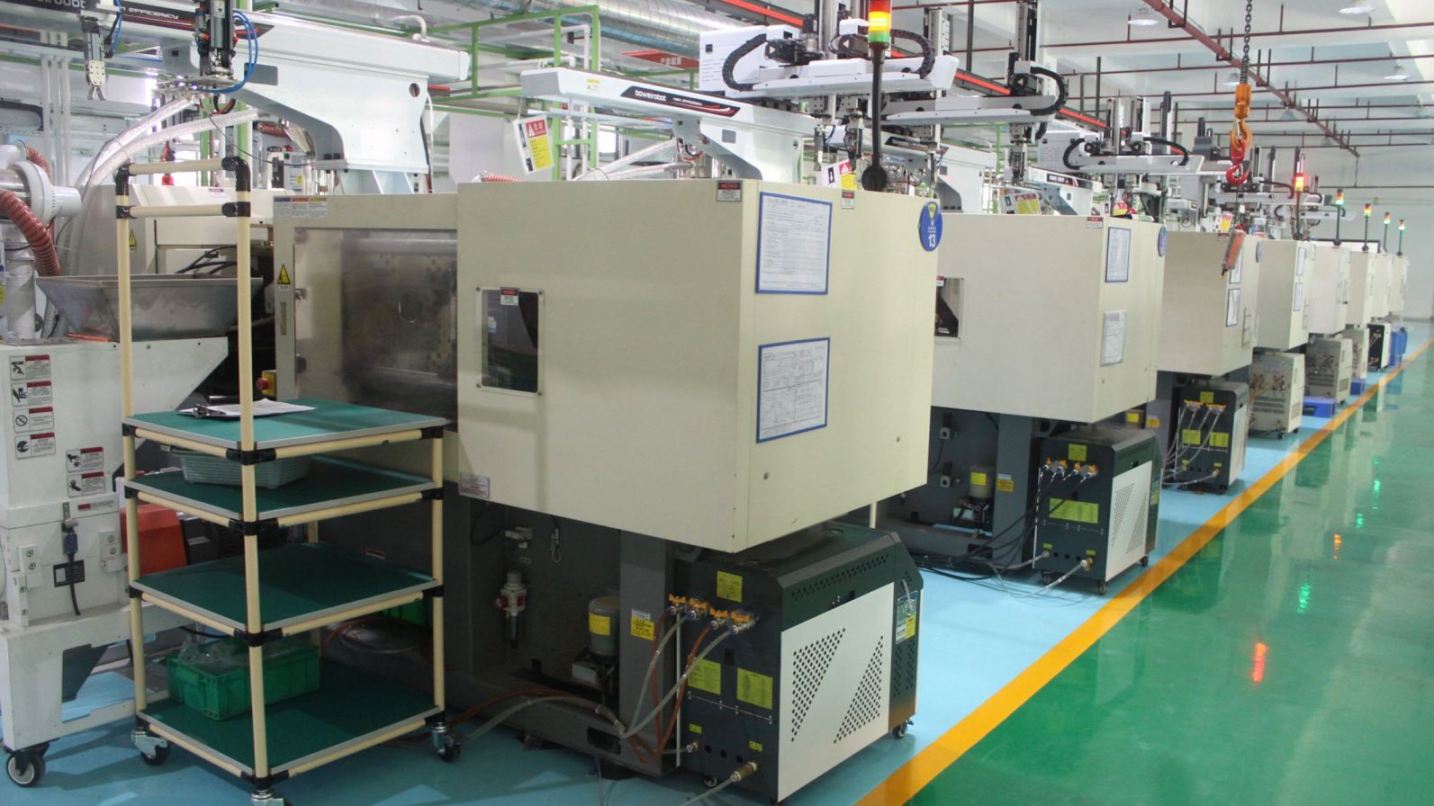 Injection Molding
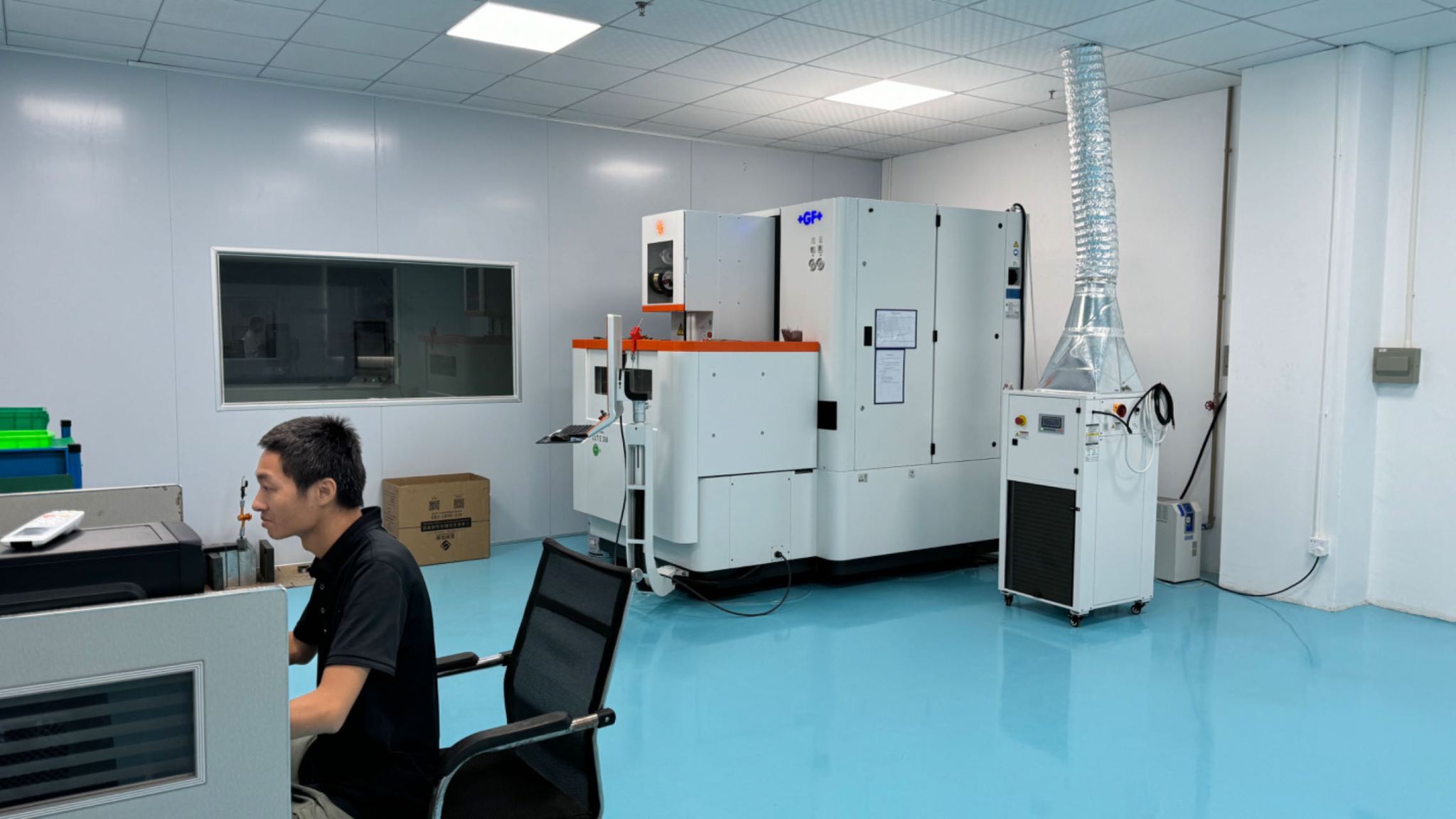 NC Wire-Cut Machine
Why right-angle drive configurations and physical self-locking profiles are crucial for modern automated systems.
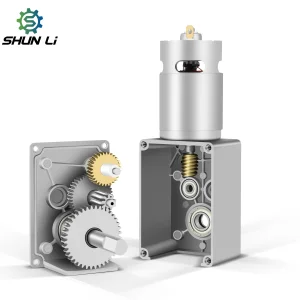
By adjusting the lead angle of the worm thread relative to the worm gear teeth, our gearboxes exhibit immediate self-locking behavior when input power is removed. This prevents load backdriving without needing costly mechanical braking systems.
Worm gears transfer mechanical energy perpendicularly. In Nagoya's robotic arms and compact medical carts, this right-angle configuration dramatically minimizes physical footprint compared to traditional inline inline spur gearboxes.
Our gear contact profiles provide sliding line engagements instead of single-point rolling. This sliding action yields robust resistance to sudden torque spikes and operational vibration common in automated transit doors.
| Feature Parameter | Industrial Grade Range | Nagoya Local Integration Standard | Primary Industrial Benefit |
|---|---|---|---|
| Nominal Supply Voltage | 6V, 12V, 24V, 36V DC | Highly standardized 12V/24V DC systems | Compatible with standard battery packs and industrial bus lines. |
| Backlash Limits | < 0.5 degrees to 1.5 degrees | Ultra-low backlash models for robotics | Critical for precise positioning loops and surgical tools. |
| Enclosure Ratings | IP40, IP54, IP65/IP67 custom | Washdown-grade food automation compliance | Prevents fluid ingress, ensuring continuous duty cycles. |
| Bearing Selection | Deep groove ball or sleeve bearings | Premium Japanese high-speed ball bearings | Ensures high radial and axial shaft load handling. |
No gearmotor leaves our facility without running a battery of thermal, noise, and mechanical stress tests designed to exceed JIS standards.
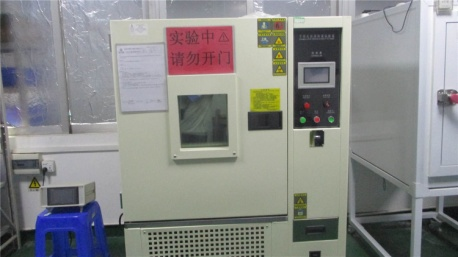 Climate Test Chamber
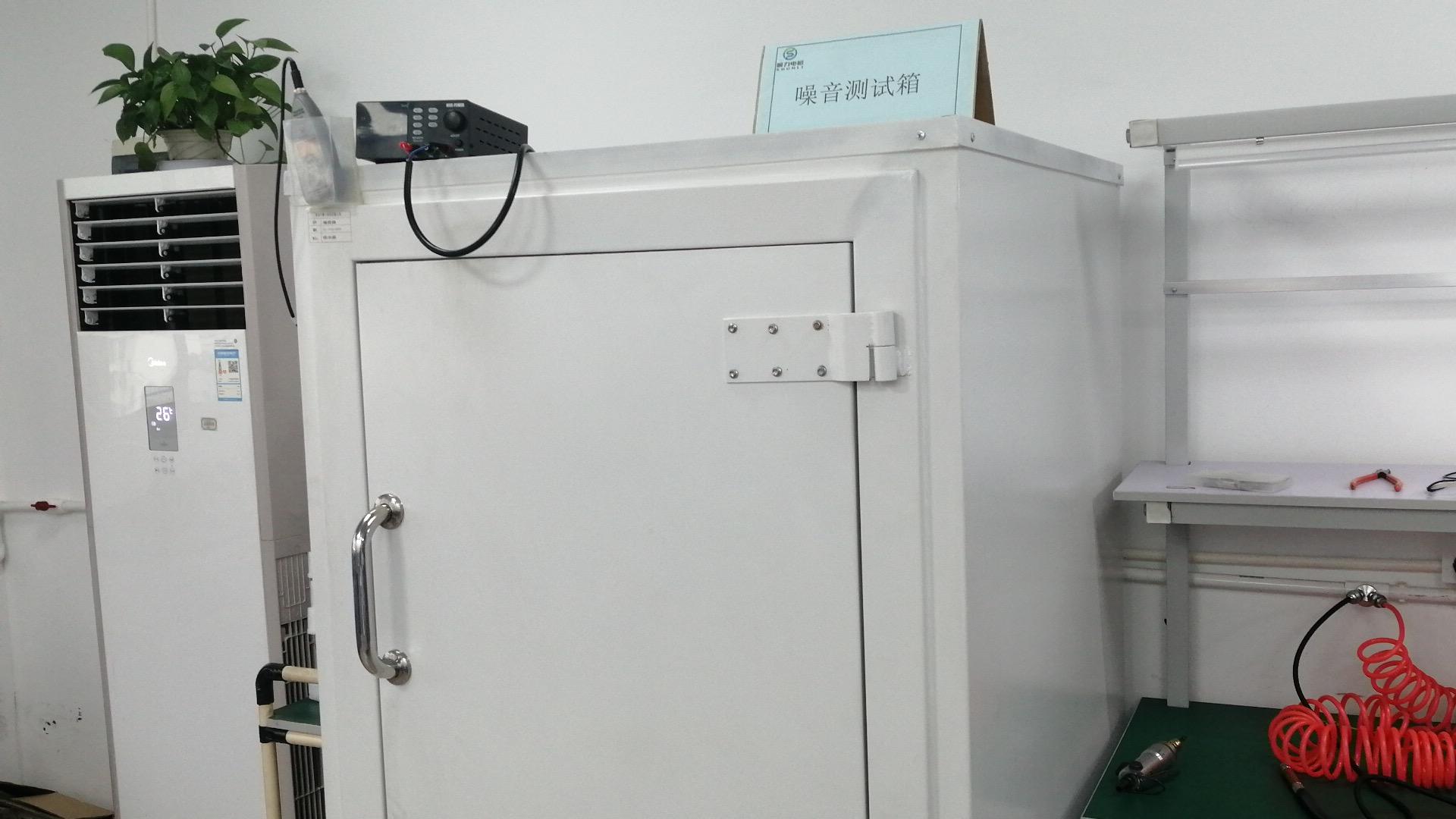 Sound Isolation Chamber
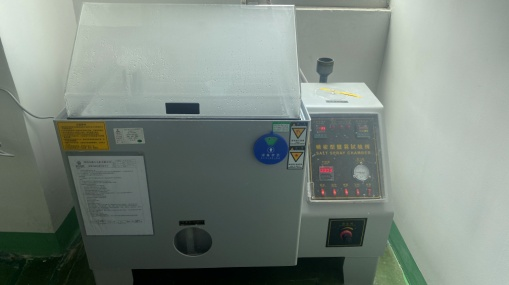 Salt Spray Test (Corrosion)
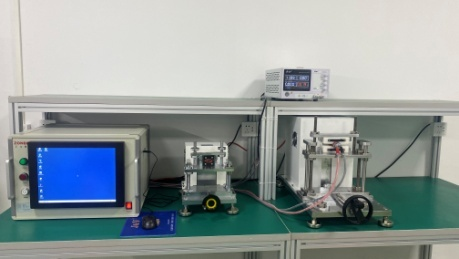 Dynamometer Output Testing
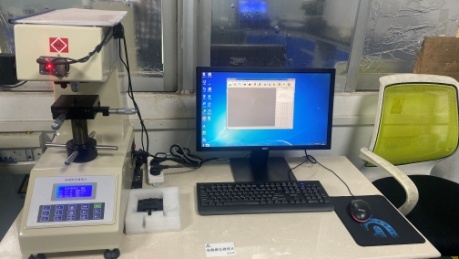 Hardness Testing
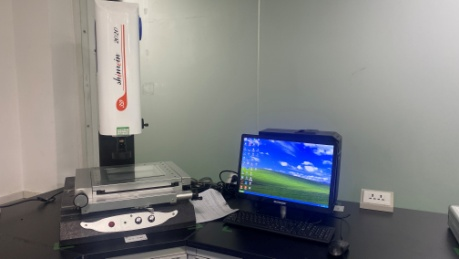 2D Optic Measurement
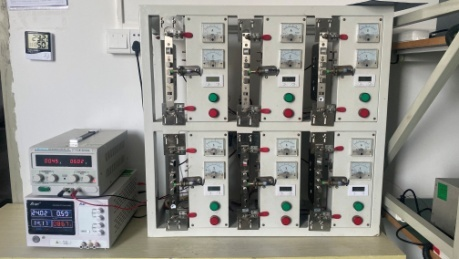 Continuous Aging System
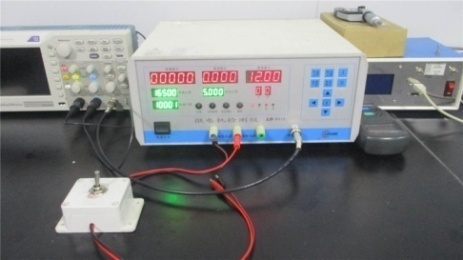 Dynamic Characteristics Bench
True to our Top Quality & Customization ethos, we specialize in solving complex integration challenges. Whether your application requires an integrated encoder for precise feedback, a custom-molded lead screw shaft, or a high-vacuum-compatible enclosure, TTM Motor has the technical expertise to customize and deliver ready-to-install motion sub-assemblies that meet your exact specifications.
From heavy automated factories in Aichi to specialized medical installations in Tokyo, our motors drive innovation.
Modern Automated Guided Vehicles (AGVs) operating in logistics warehouses across Nagoya require high torque right-angle drives to navigate narrow warehouse aisles. Our JGY-370 and custom 24V brushed motors provide the steady self-locking braking capacity and high starting torque required to transport heavy component bins safely on ramps.
Medical automation requires silent, highly repeatable linear movements. Our customizable 12V and 24V worm gearboxes act as actuator elements in hospital beds, fluid diagnostic systems, and motorized surgical imaging rigs. Low audible footprint is verified in our dedicated soundproof test rooms prior to shipping.
With Nagoya being a critical node in public transit and high-density vending networks, our motors are optimized for reliability. Anti-vandalism and reliable dispensing require robust self-locking gears that cannot be physically forced backward by external manipulation. This is where our 20RPM, 4Nm motors with customized gear ratios shine.
Our commitment to continuous technological evolution ensures your machinery is prepared for future industry standards.
We are expanding our worm gearboxes with integrated brushless motor drives. Enjoy a 500% lifespan increase, zero carbon-dust contamination, and smart speed controllers embedded directly inside the endcap.
Future iterations of our magnetic encoders will feature vibration and temperature diagnostic feedback systems. Monitor gear teeth wear telemetry in real-time, preventing unplanned line shutdowns.
By blending custom synthetic carbon-fiber polymers with phosphor bronze, our future gear sets will decrease sliding friction coefficients by 35% while doubling shock-load resistance.
Explore our industrial range of customizable low-power and high-torque DC worm gear configurations.
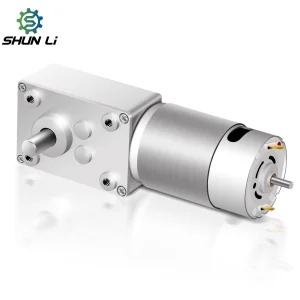
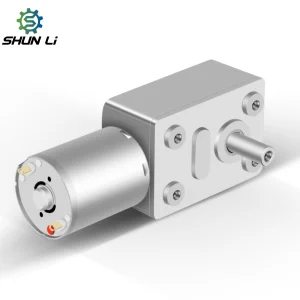
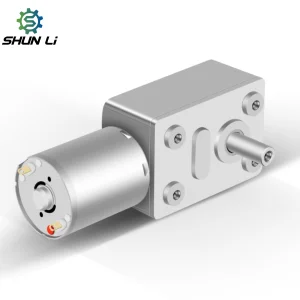
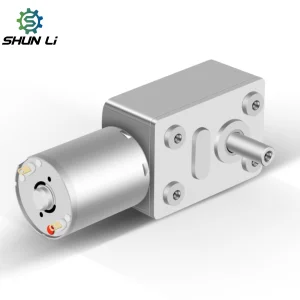
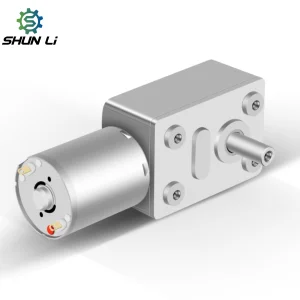
Uniquely configured gear diameters, miniature profiles, and custom planetary assemblies designed to client-specific CAD frameworks.
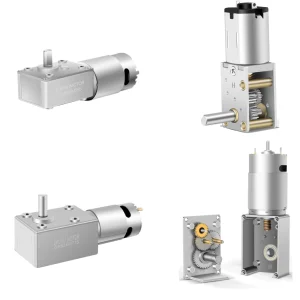
Addressing the technical, mechanical, and logistical questions crucial to procurement managers and system designers.
Connect directly with our applications engineering department. Get expert advice on mechanical design, custom winding layouts, and specialized gear reductions for your industrial application.
Send Inquiry Now TTM Motor