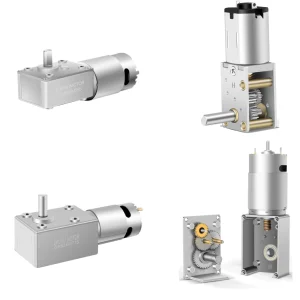
Explore our core catalog of high-torque, self-locking, and speed-adjustable low RPM gear motors engineered for challenging space constraints.
At TTM Motor, we don’t just manufacture motors—we engineering motion. We understand that in the world of advanced robotics, medical equipment, and smart automation, a fraction of a millimeter or a micro-level torque variance can dictate the success of your entire project. That is why our Shanghai-based R&D facility is dedicated entirely to pushing the boundaries of micro-drive performance.
Every micro DC motor, planetary gearhead, and brushless drive (BLDC) we produce is a result of rigorous cross-disciplinary engineering. Armed with advanced CAD/CAM software, automated winding technologies, and precision dynamic balancing testing equipment, our in-house engineering team bridges the gap between your conceptual design and volume manufacturing.
True to our Top Quality & Customization ethos, we specialize in solving complex integration challenges. Whether your application requires an integrated encoder for precise feedback, a custom-molded lead screw shaft, or a high-vacuum-compatible enclosure, TTM Motor has the technical expertise to customize and deliver ready-to-install motion sub-assemblies that meet your exact specifications.
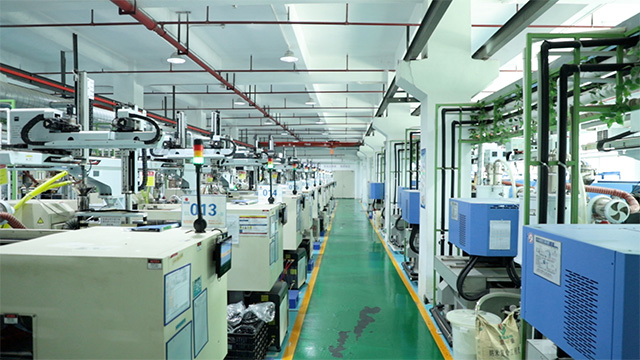
How right-angle self-locking drive technology keeps global logistics, smart retailing, and healthcare infrastructure running efficiently.
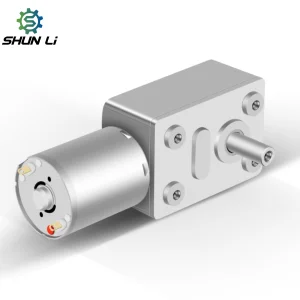
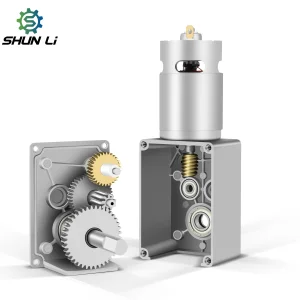
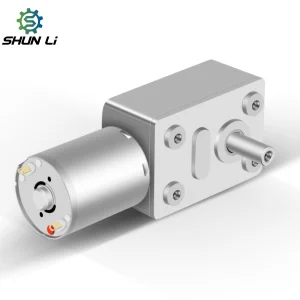
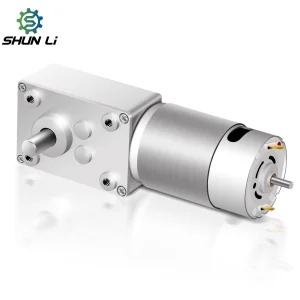
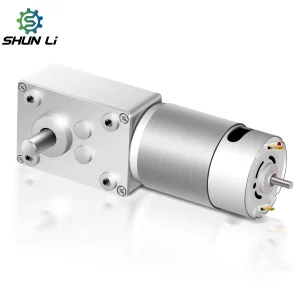
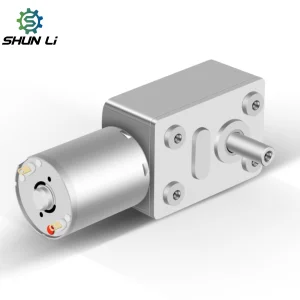
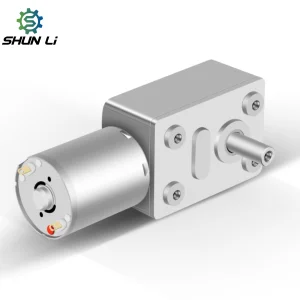
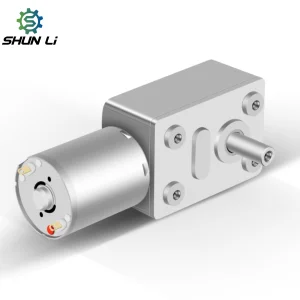
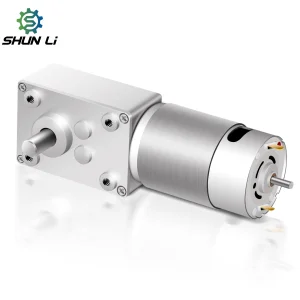
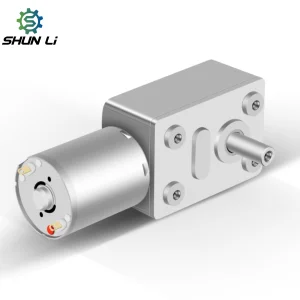
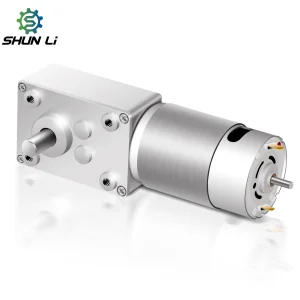
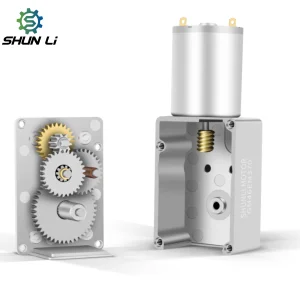
DC worm gear drives are intrinsically self-locking. This means the output shaft cannot drive the motor worm thread in reverse, preventing load slips in patient lifts, automated doors, and vertical vending systems without requiring mechanical brakes.
As micro-automation reaches the edge of industrial operations, our low-power brushed and brushless 12V/24V options minimize power draw. This helps systems transition smoothly to off-grid solar and battery-backed electrical architectures.
We work directly with major raw material producers to secure stable pricing. This safeguards OEM production schedules against supply line disruptions and price spikes on copper, steel, and high-performance engineering plastics.
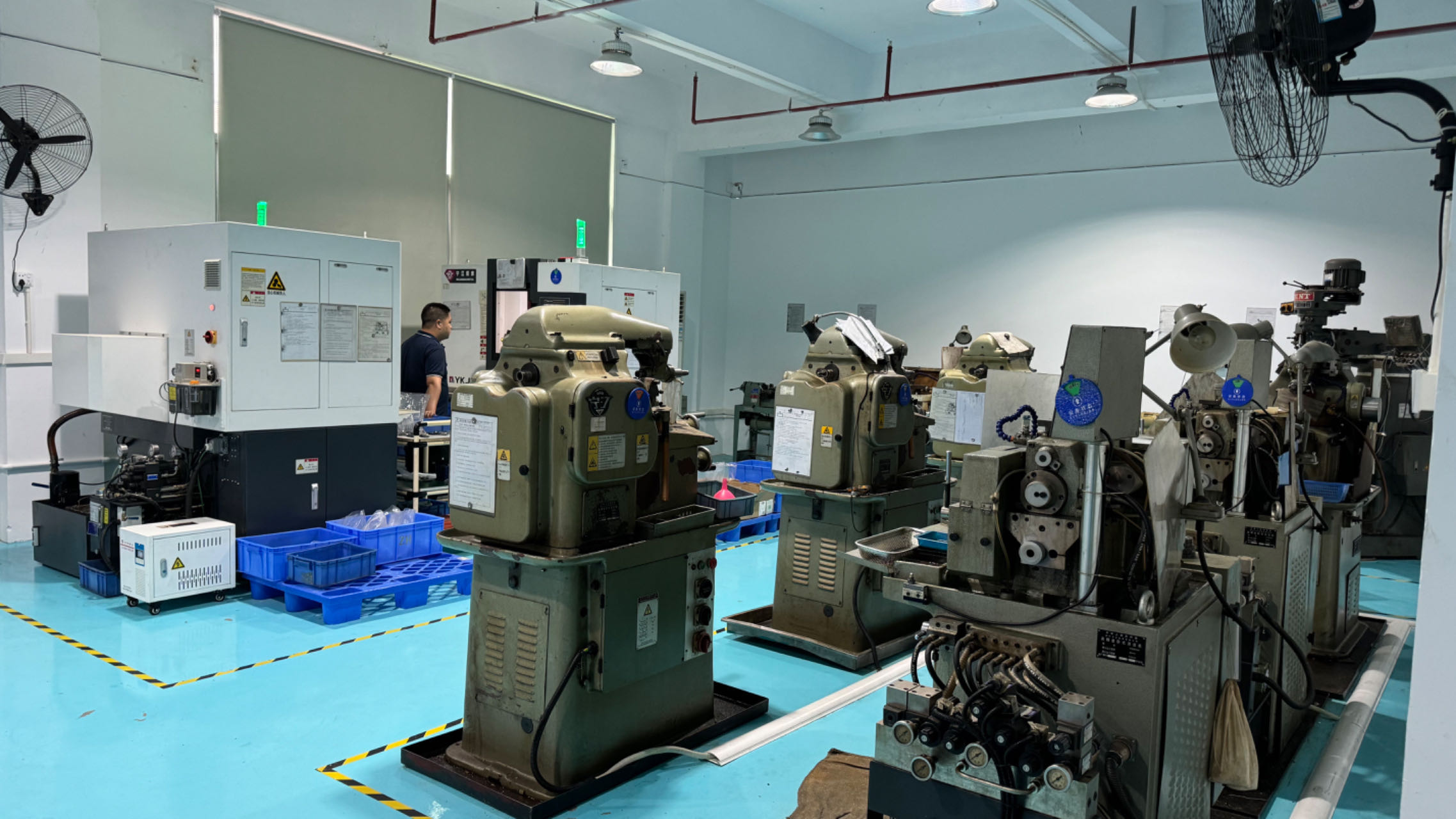
Review the actual production hardware, gear hobbing machines, and environmental testing labs driving our low-noise performance.


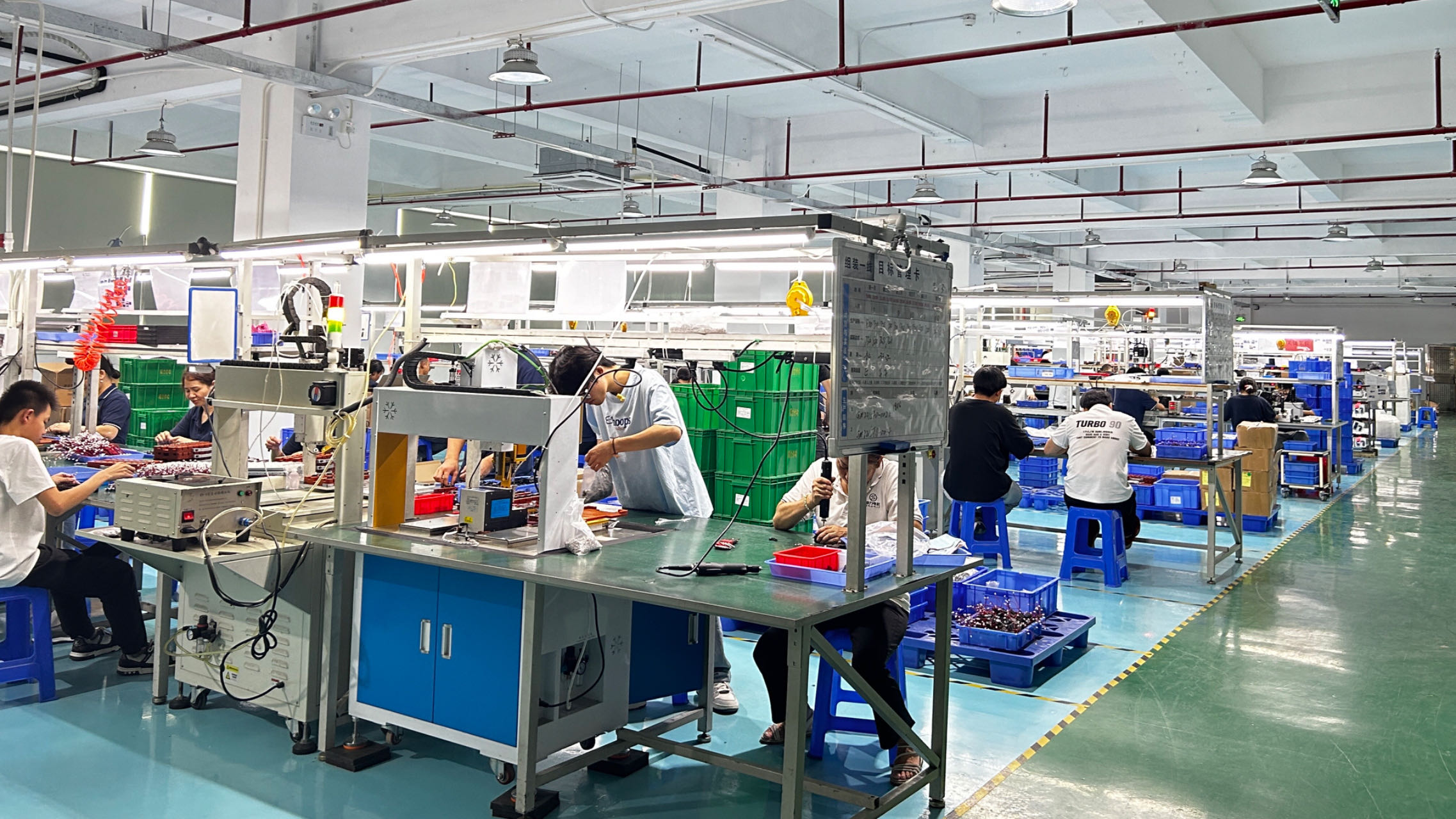
 Raw Material
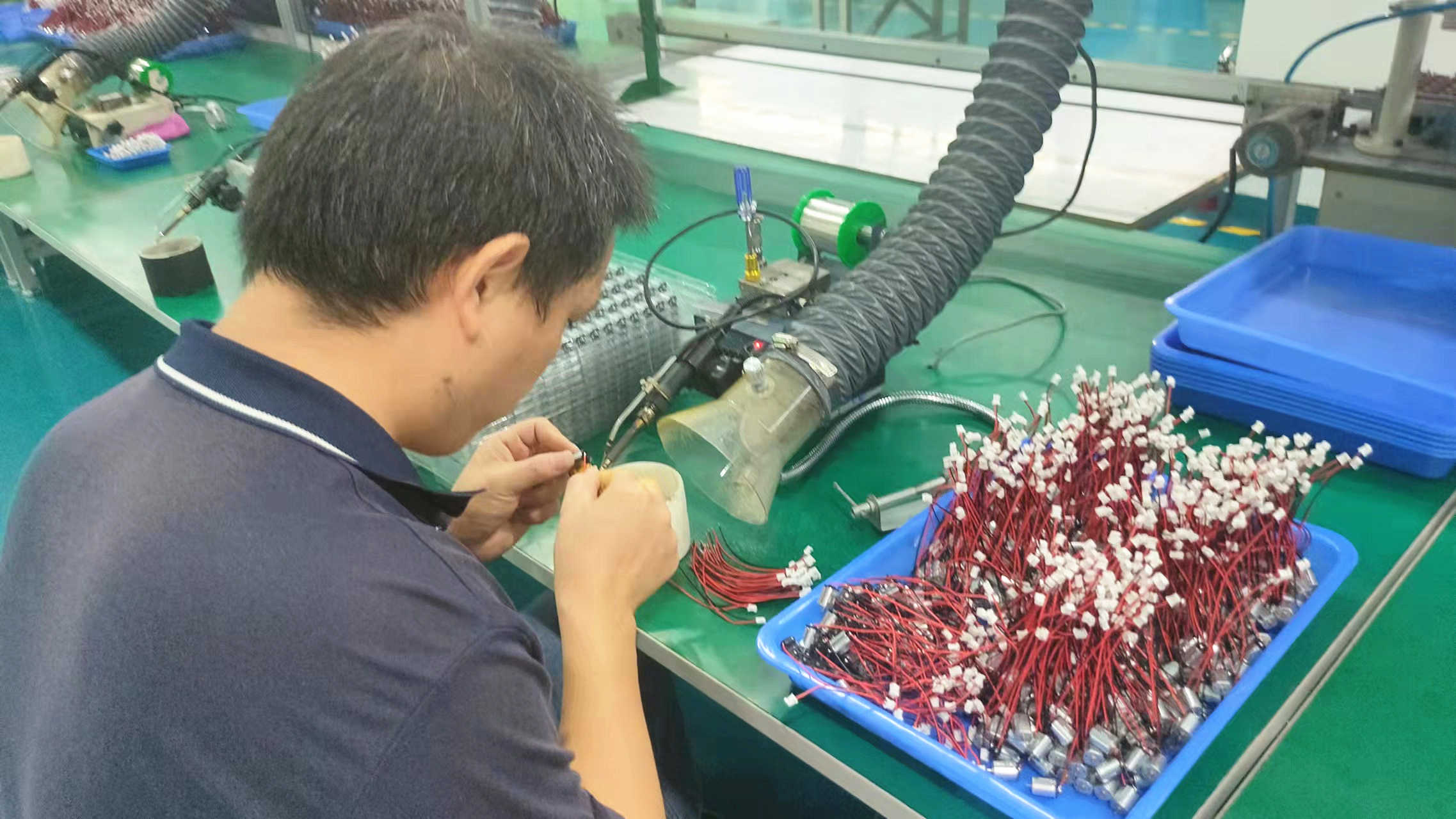 Soldering
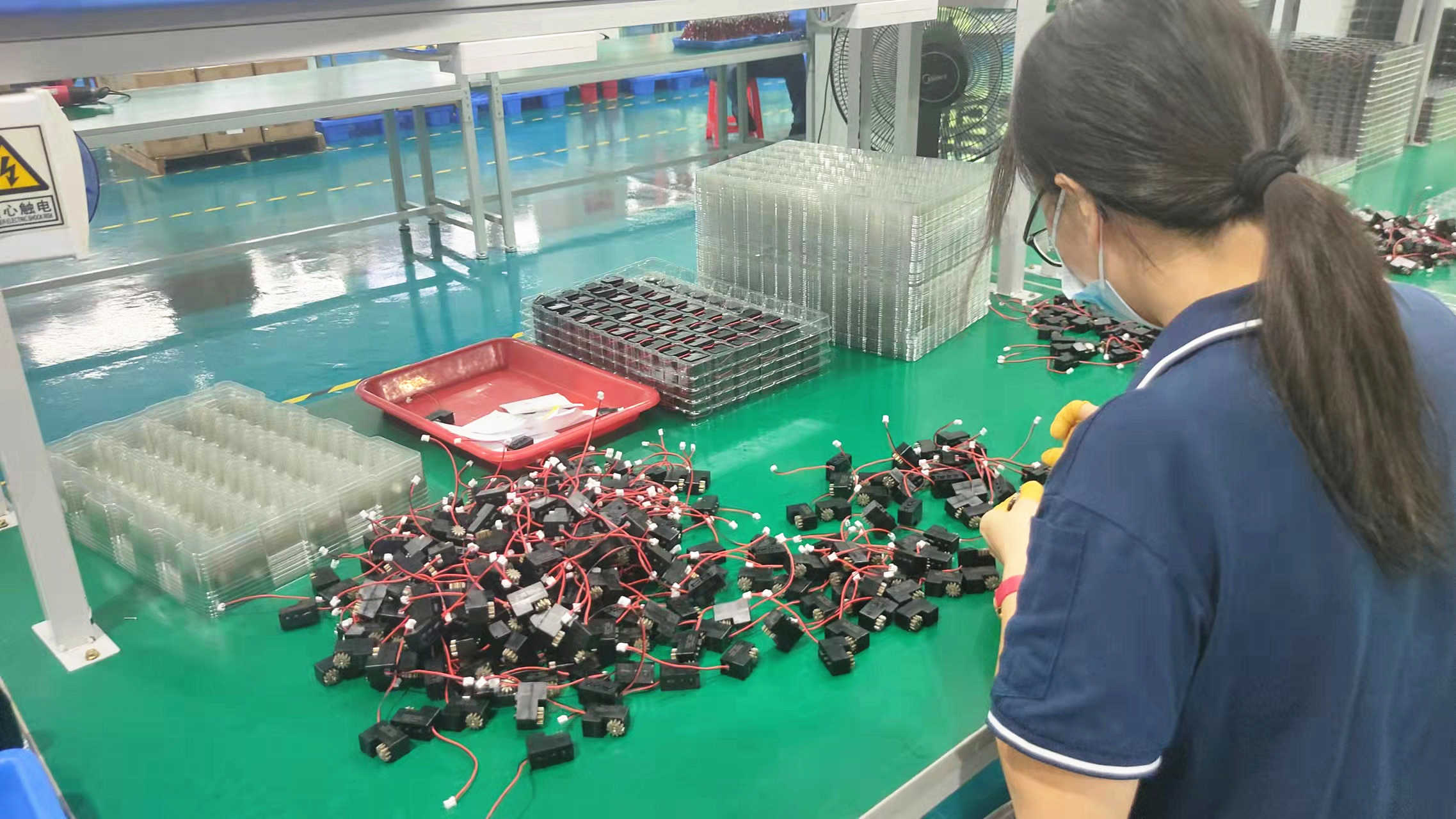
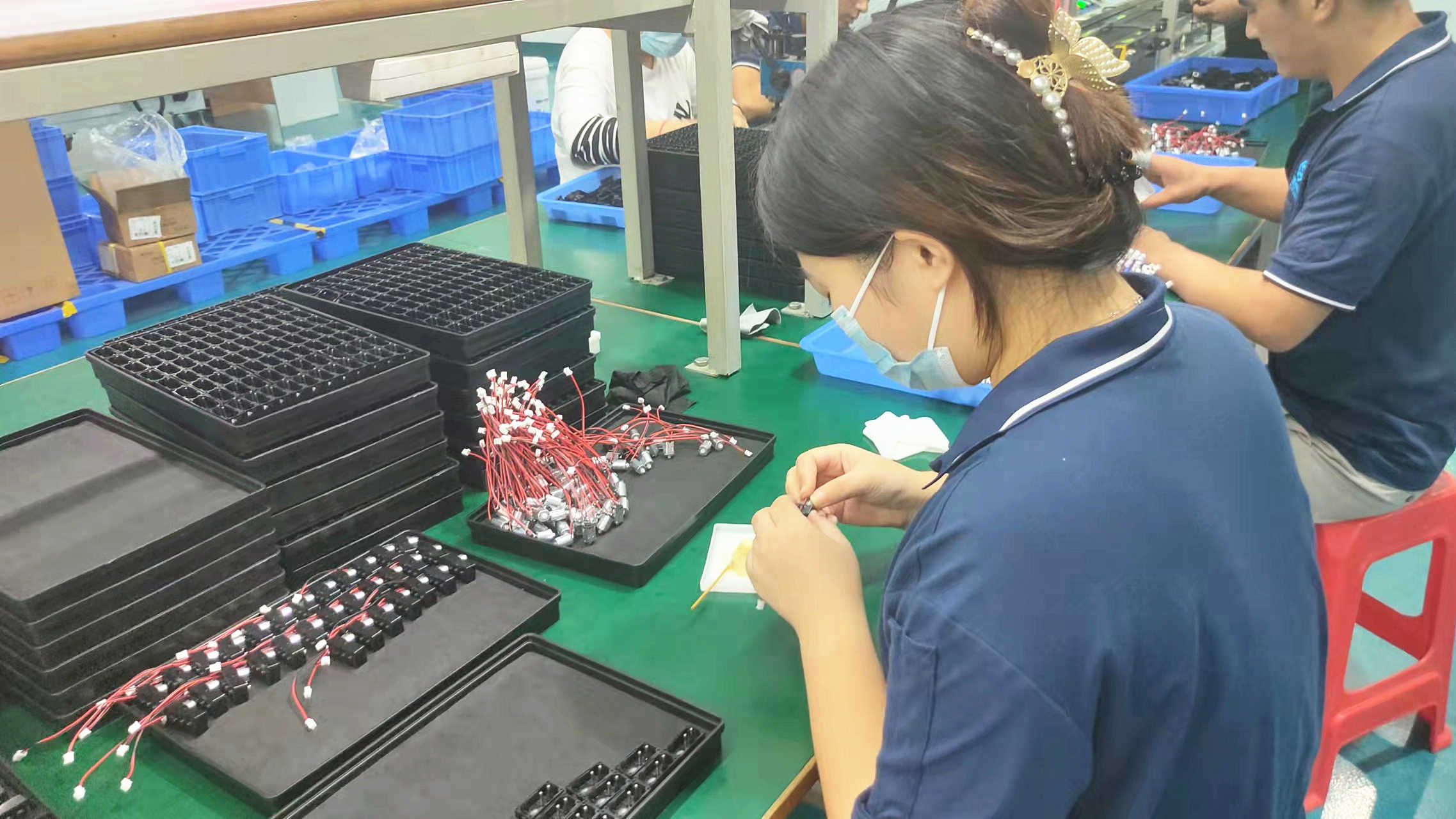 Assembling
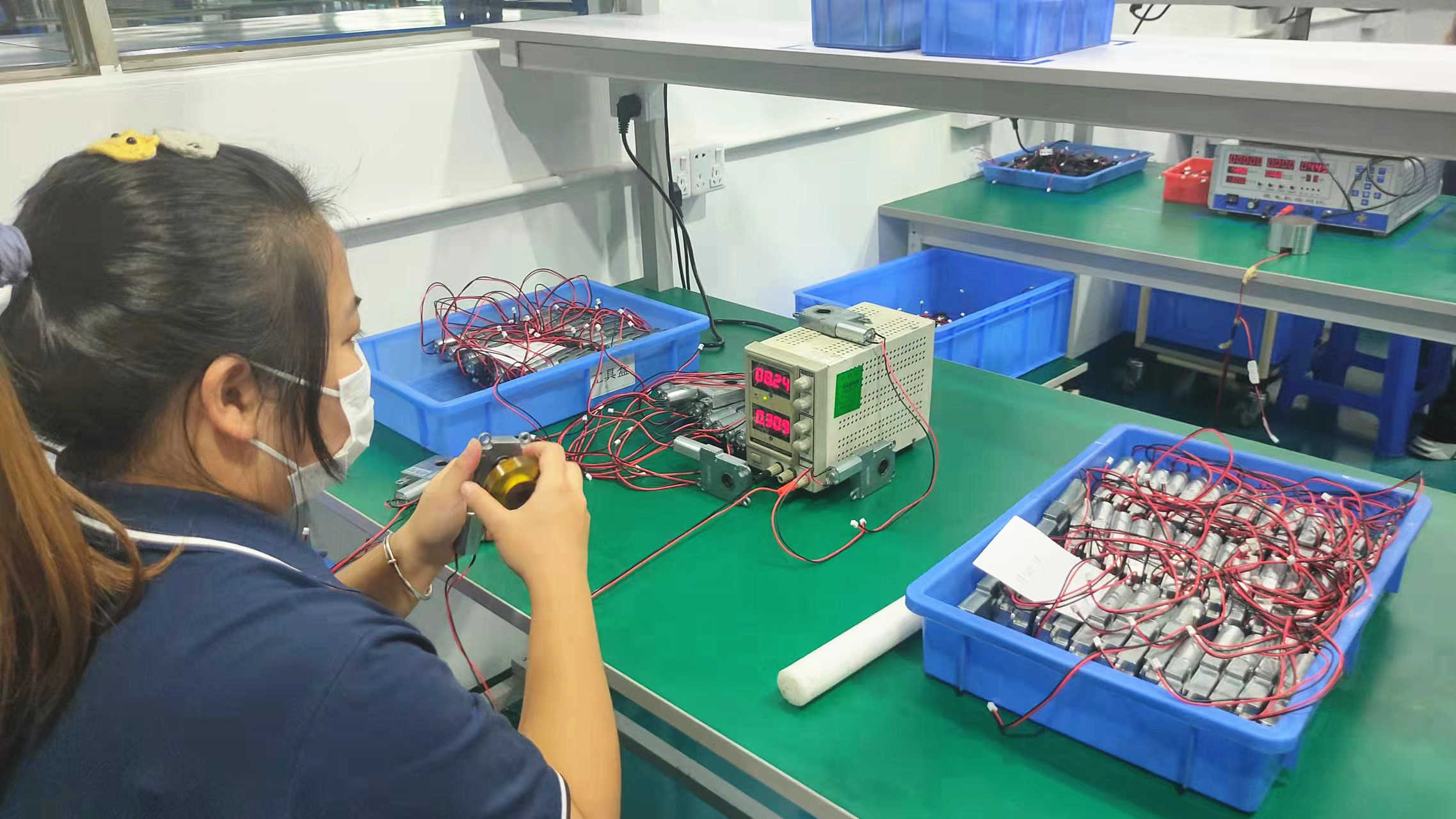
 Testing
 Packing
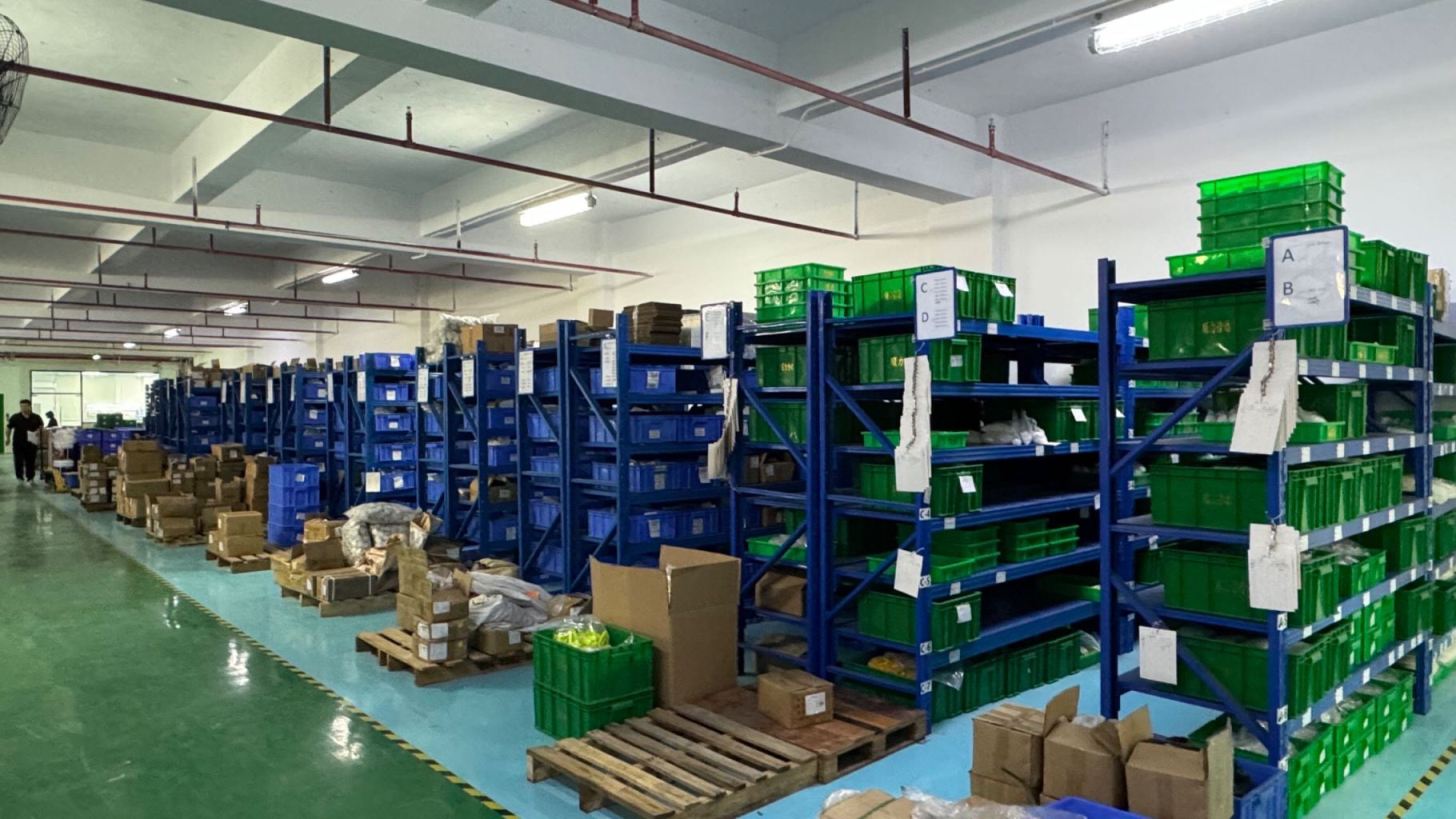 Storage
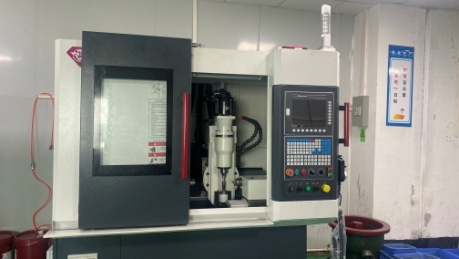 NINGJIANG MACHINE TOOL
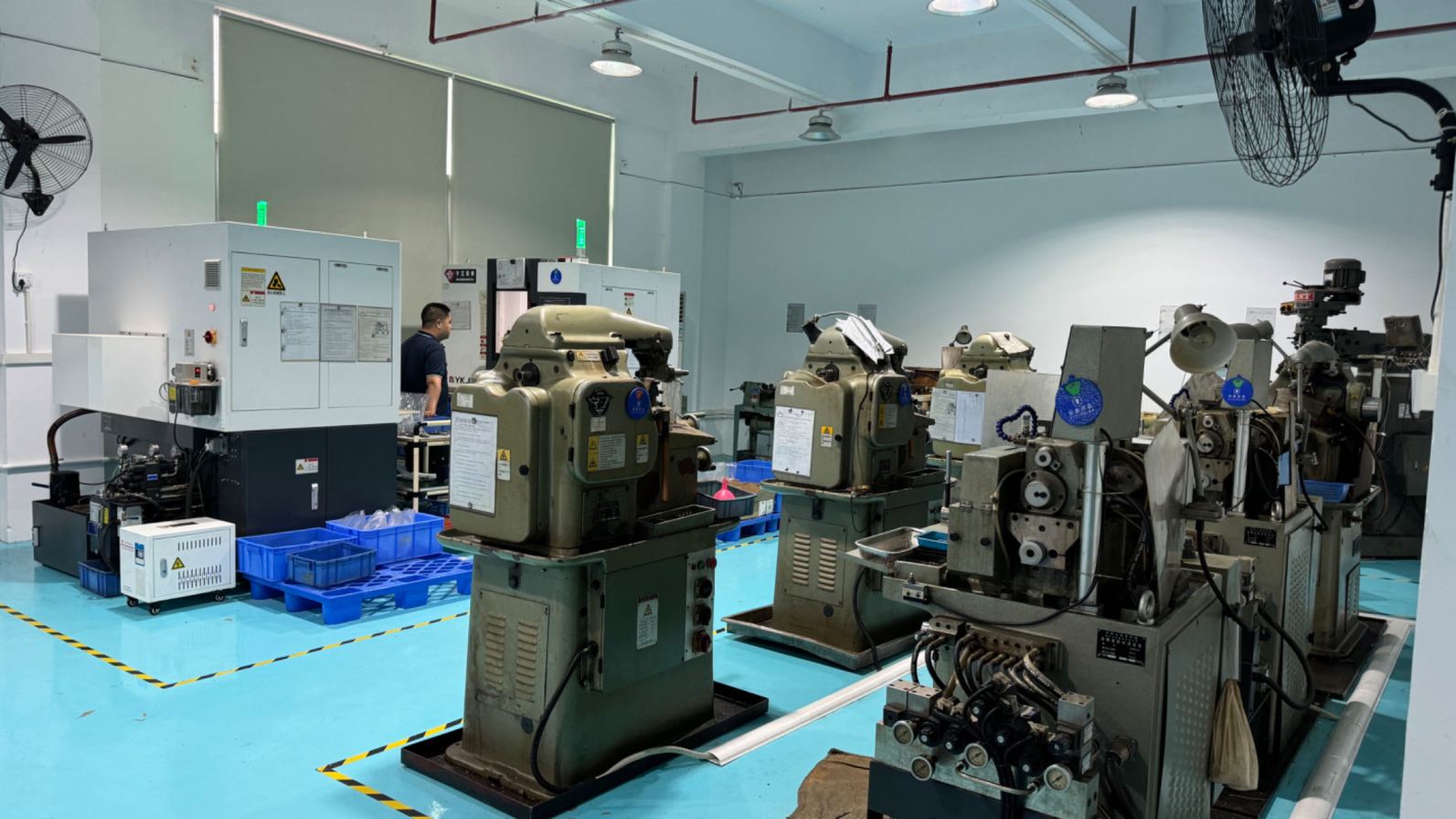 Gear Hobbing Machine
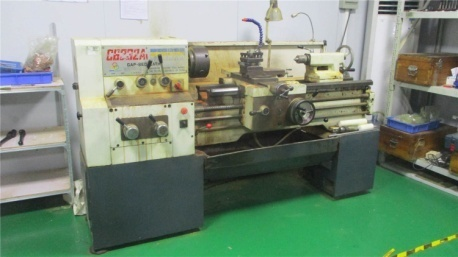 Lathing Machine
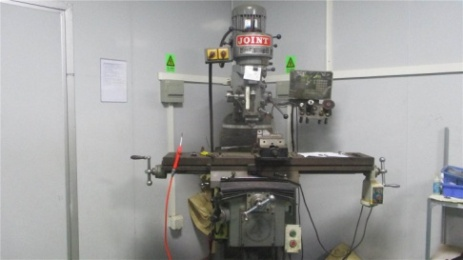 Milling Machine
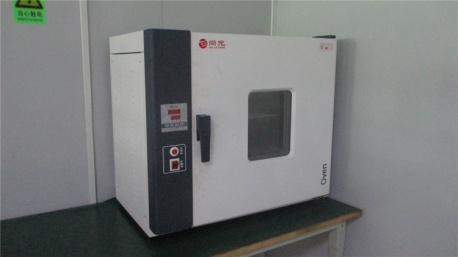 Drying Oven
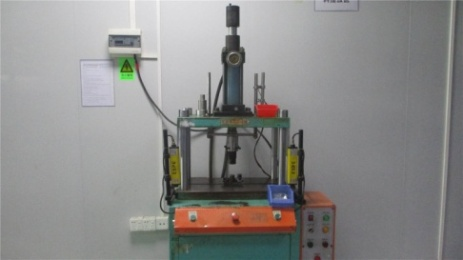 Gear Riveting Machine
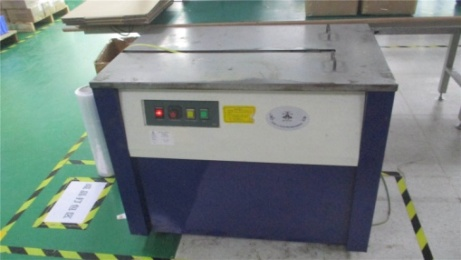 Packing Machine
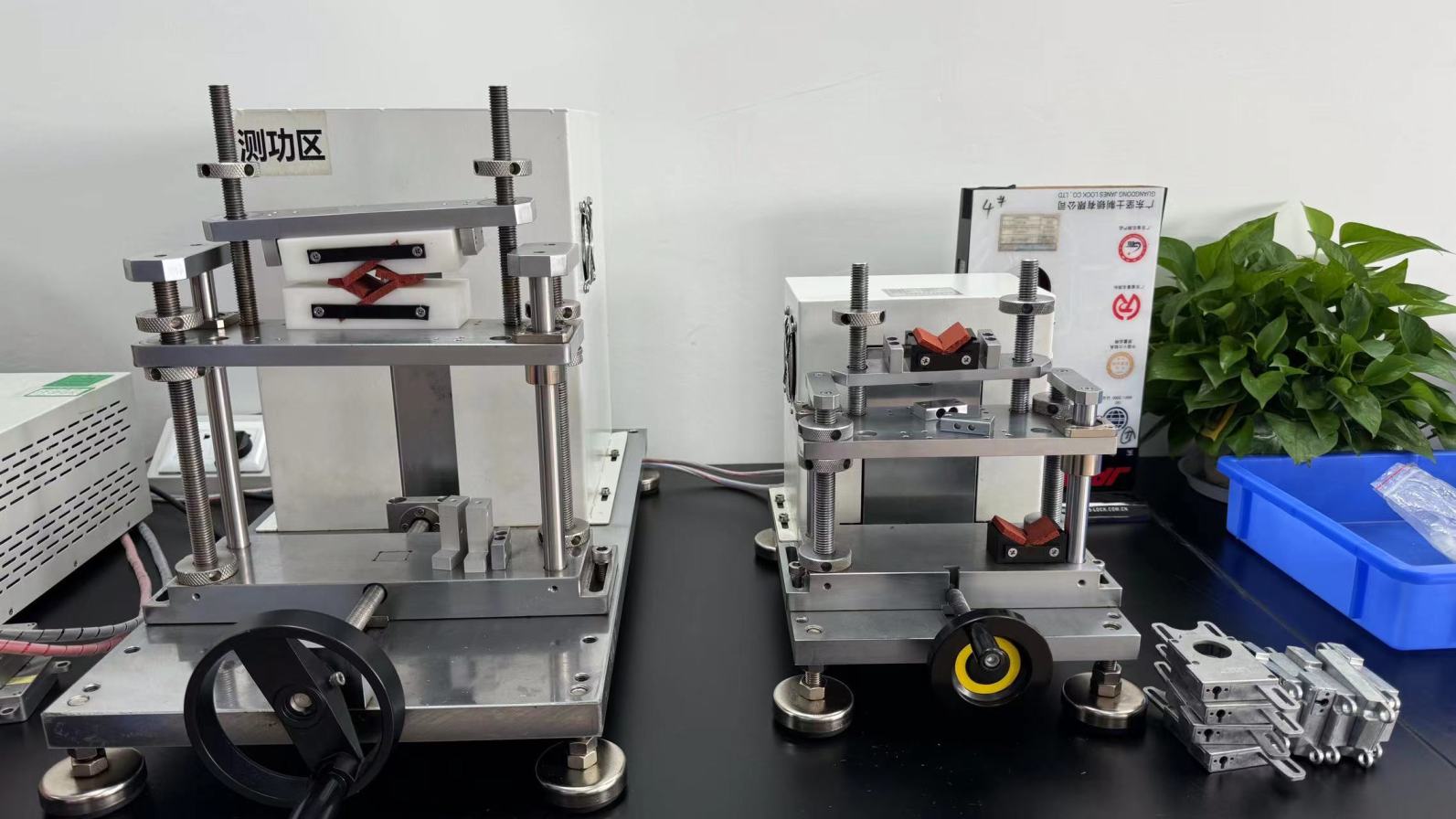 Pneumatic Press
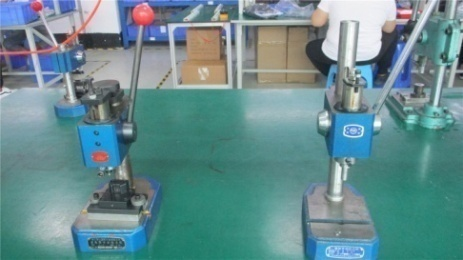 Manual Pressing
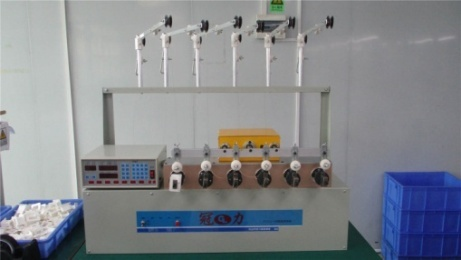 Wire Winding Machine
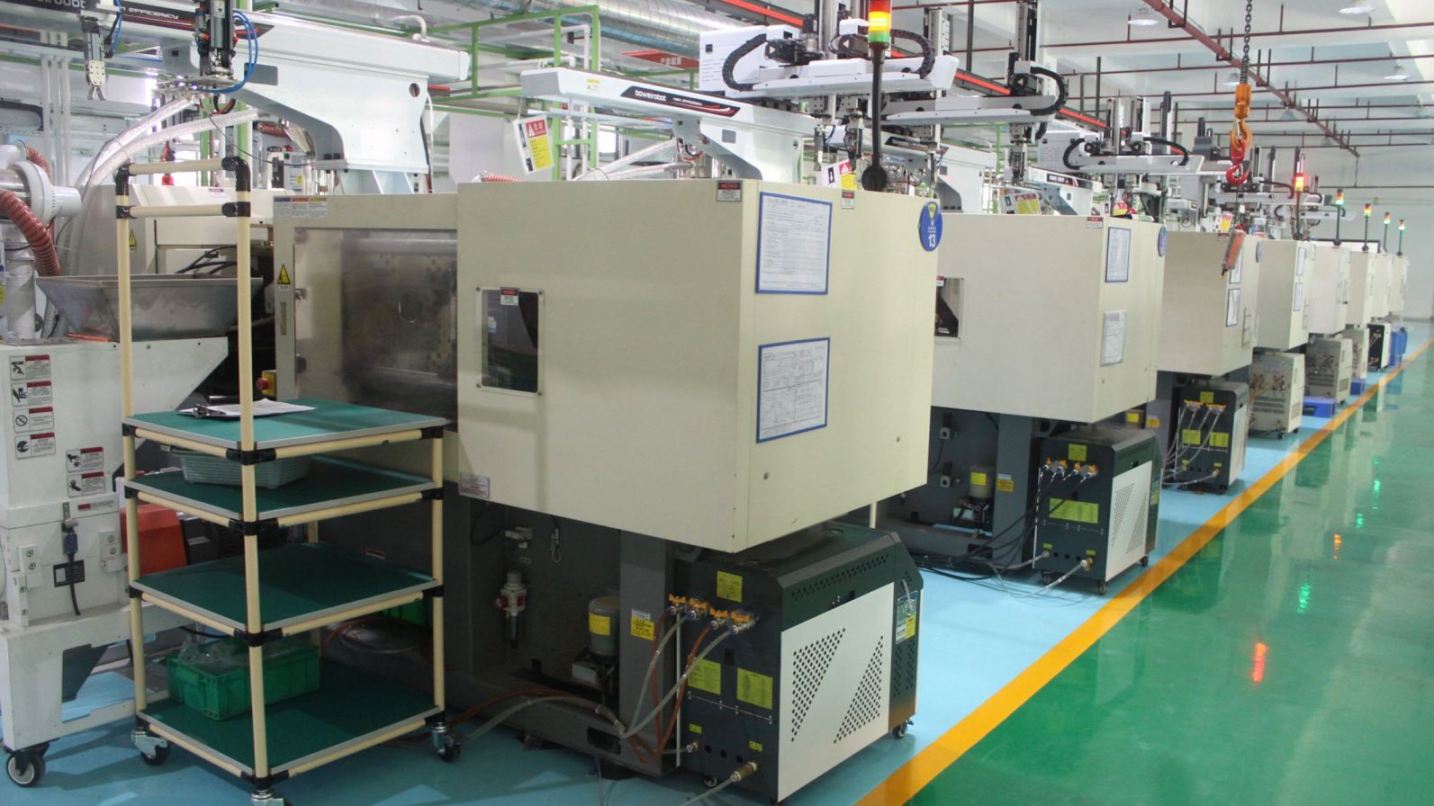 Injection Machine
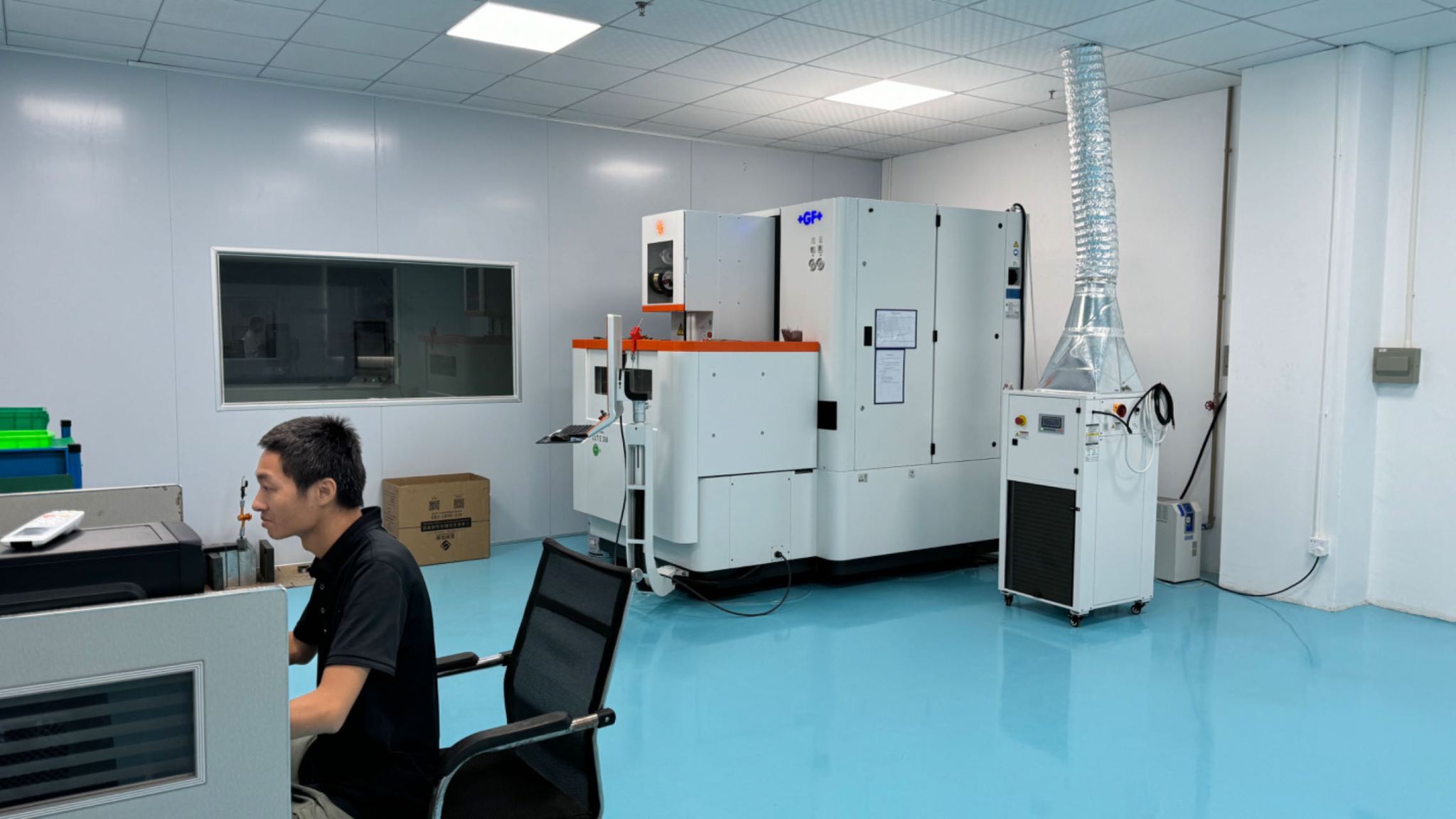 Slow-feeding NC Wire-cut
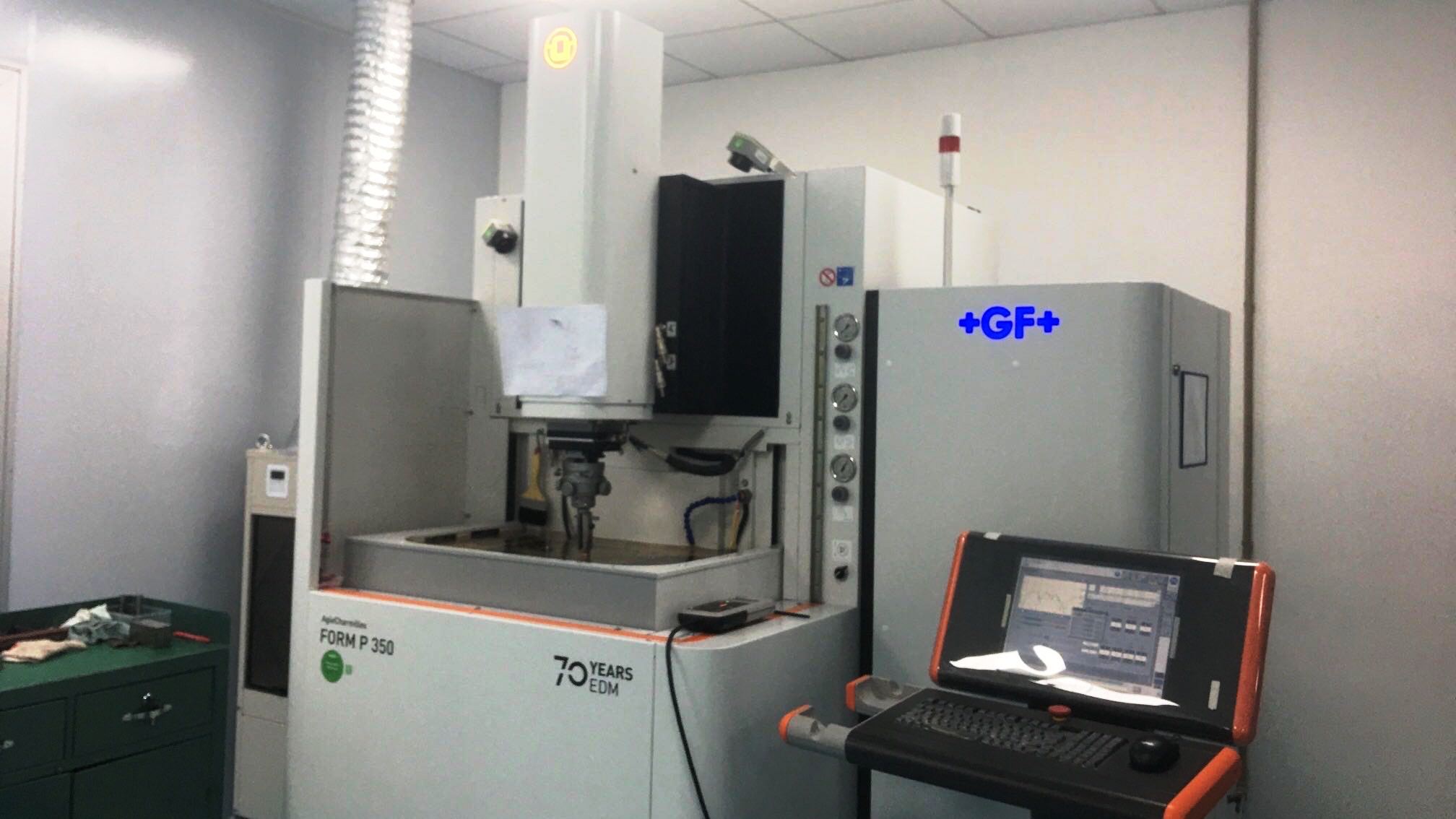 EDM Machine
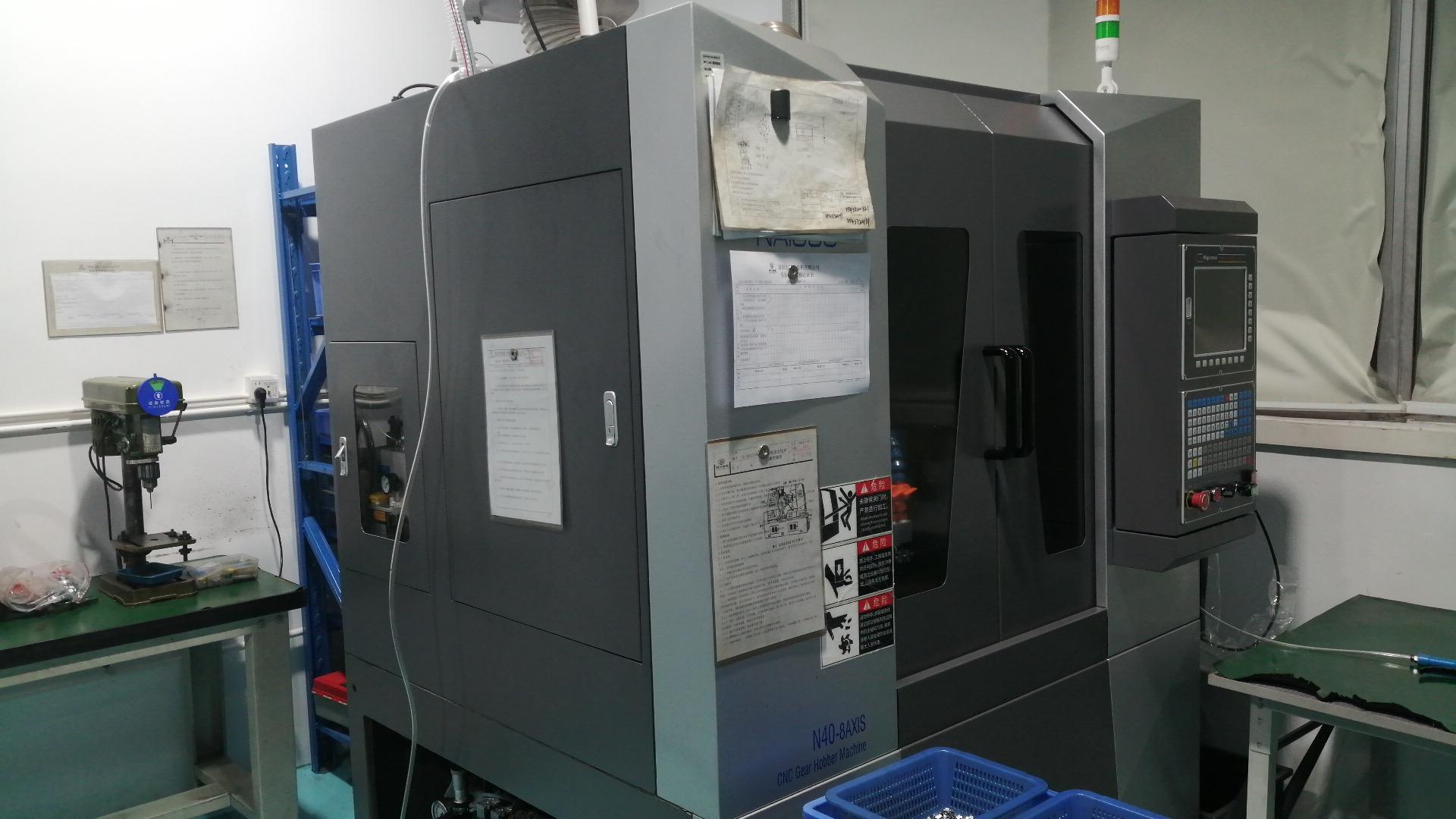 Hobbing Machine
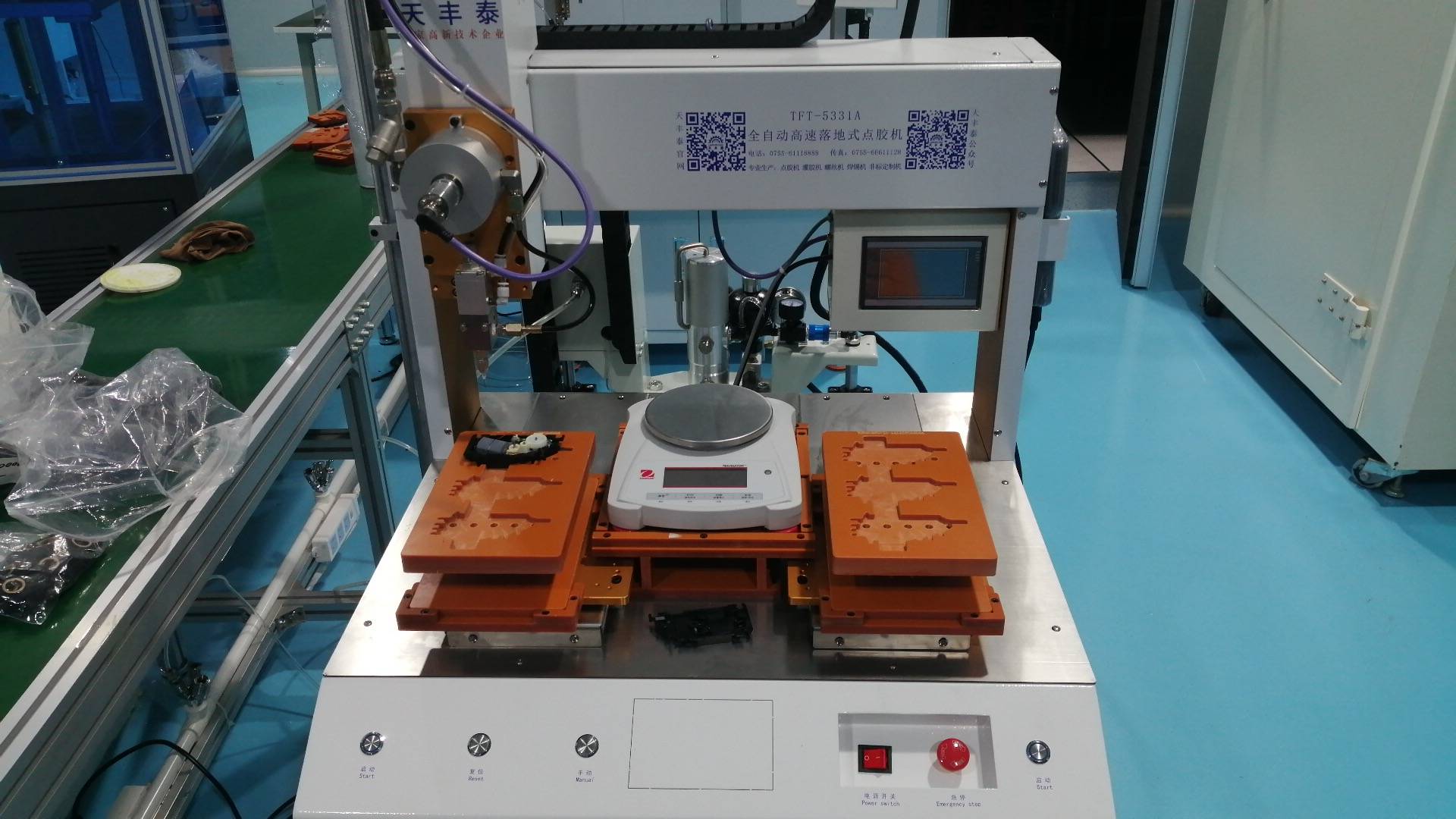 Glue Dispenser
Every shipment is backed by documented test results to verify structural integrity, chemical resistance, and noise ratings.
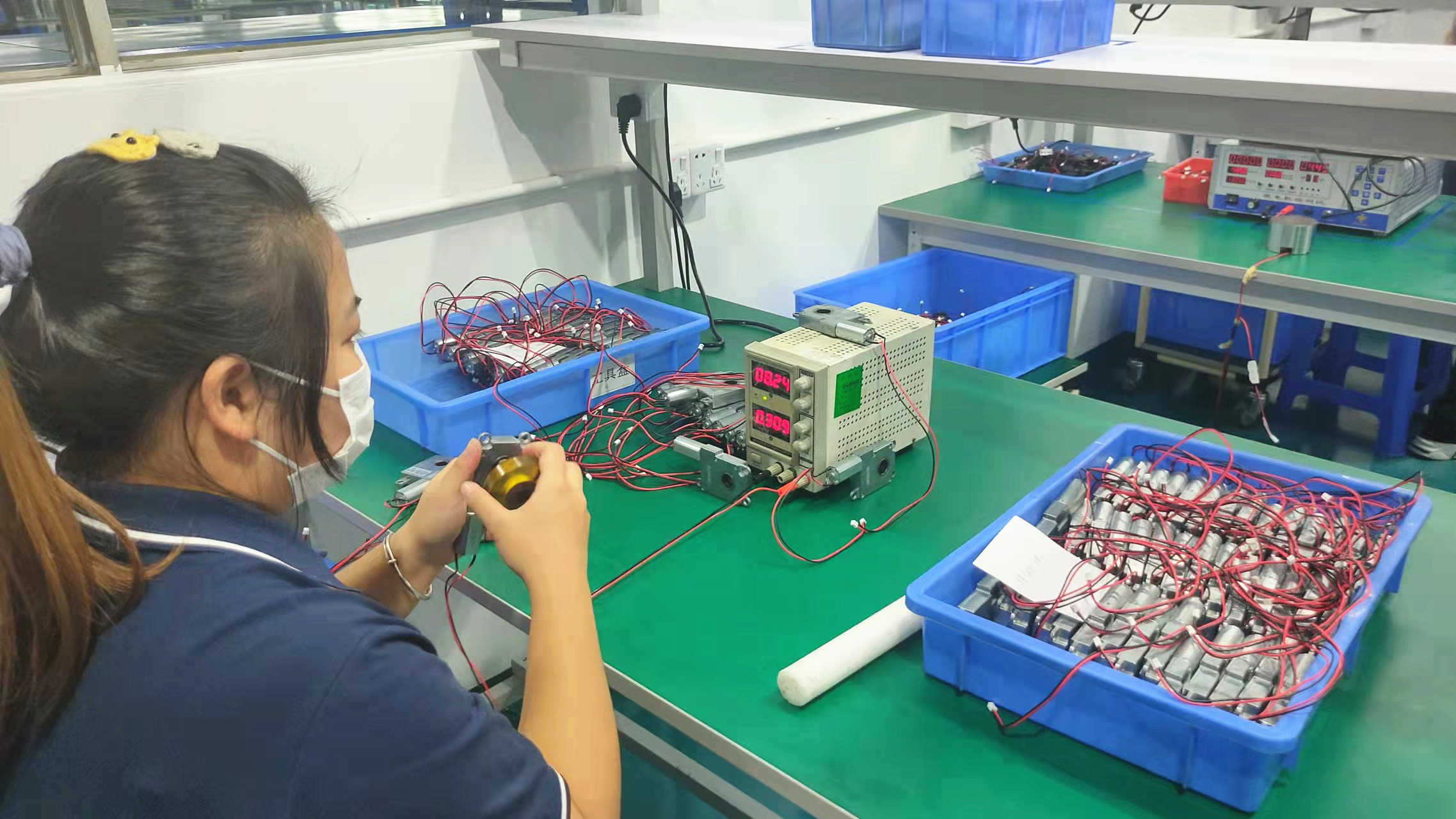 QC Checking Station
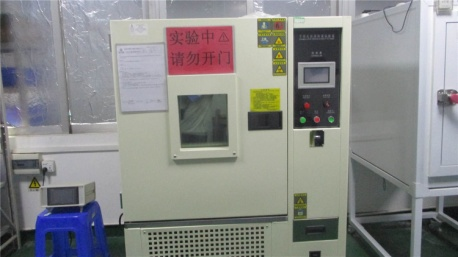 Temp & Humidity Chamber
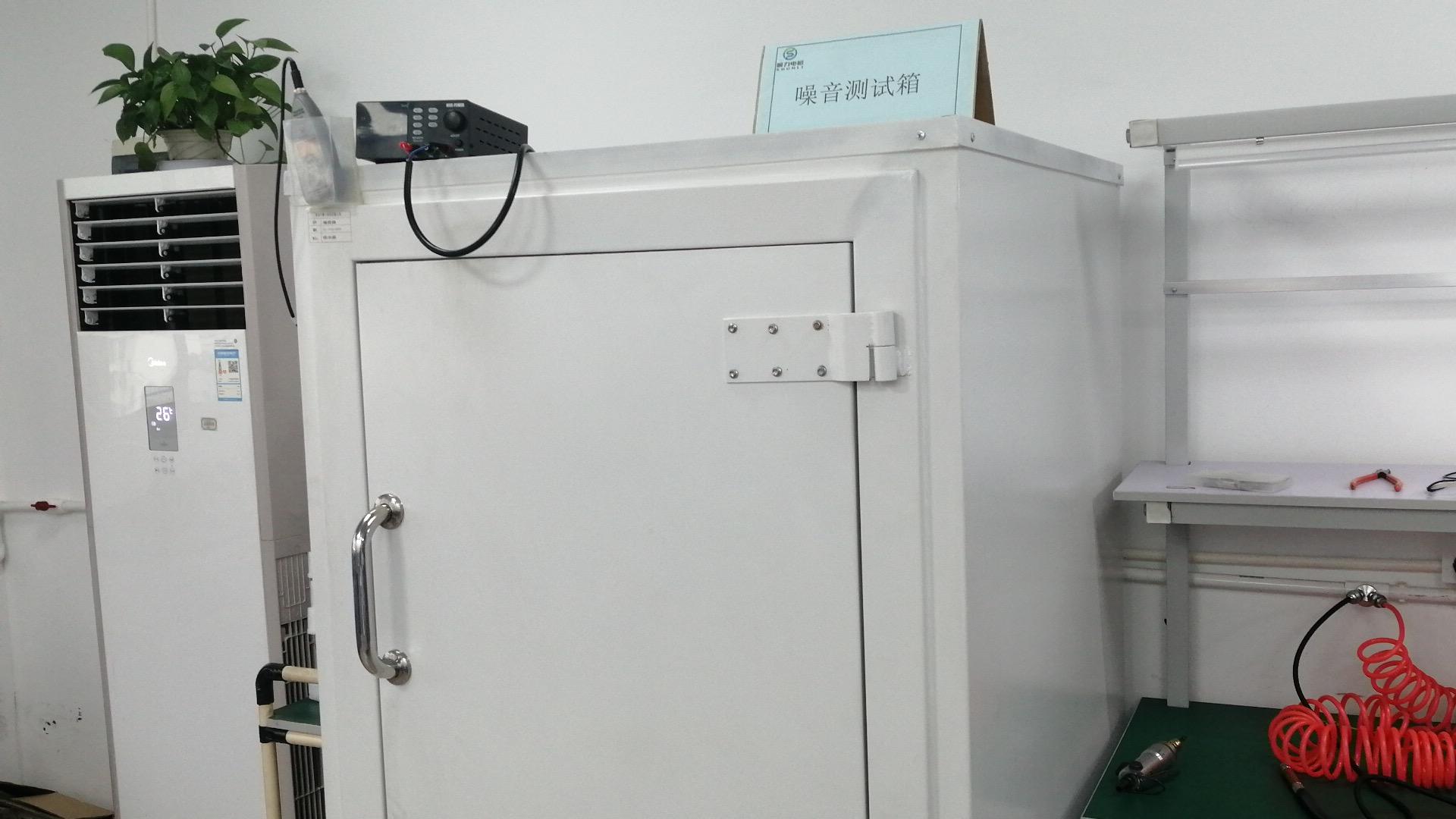 Noise Testing Chamber
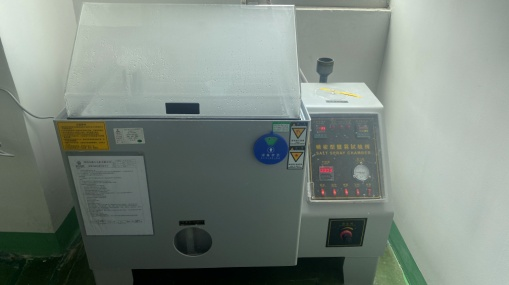 Salt Spray Tester
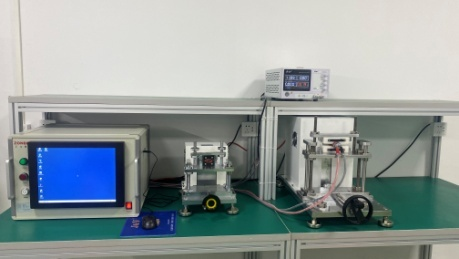 Dynamometer
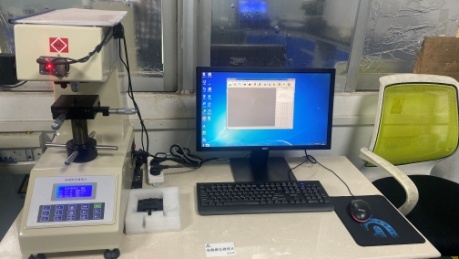 Hardness Tester
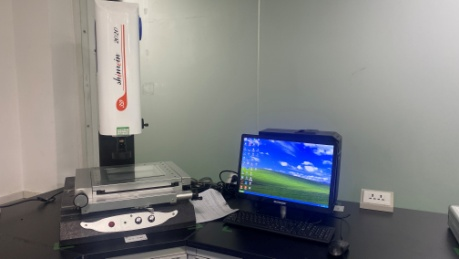 Video Measurement
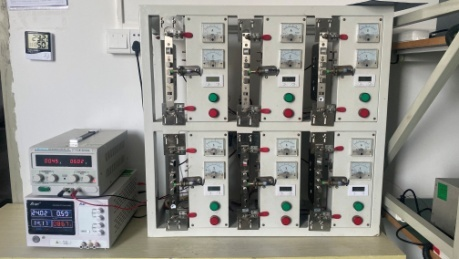 Aging Shelf
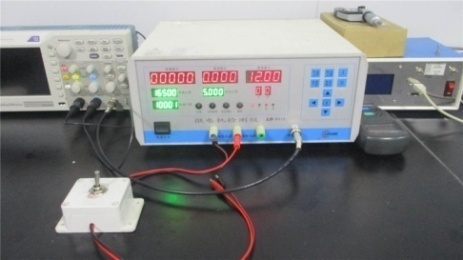 Motor Testing Machine
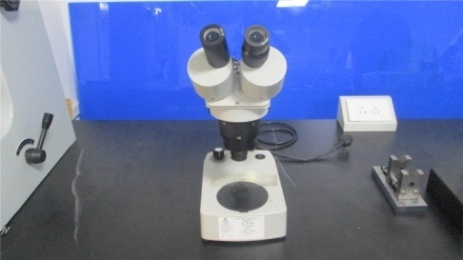 Microscope
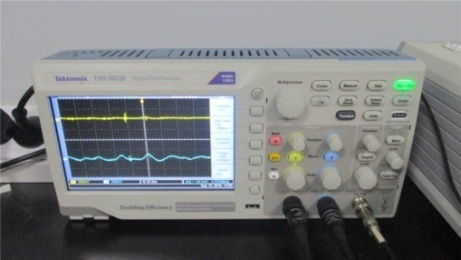 Digital Oscilloscope
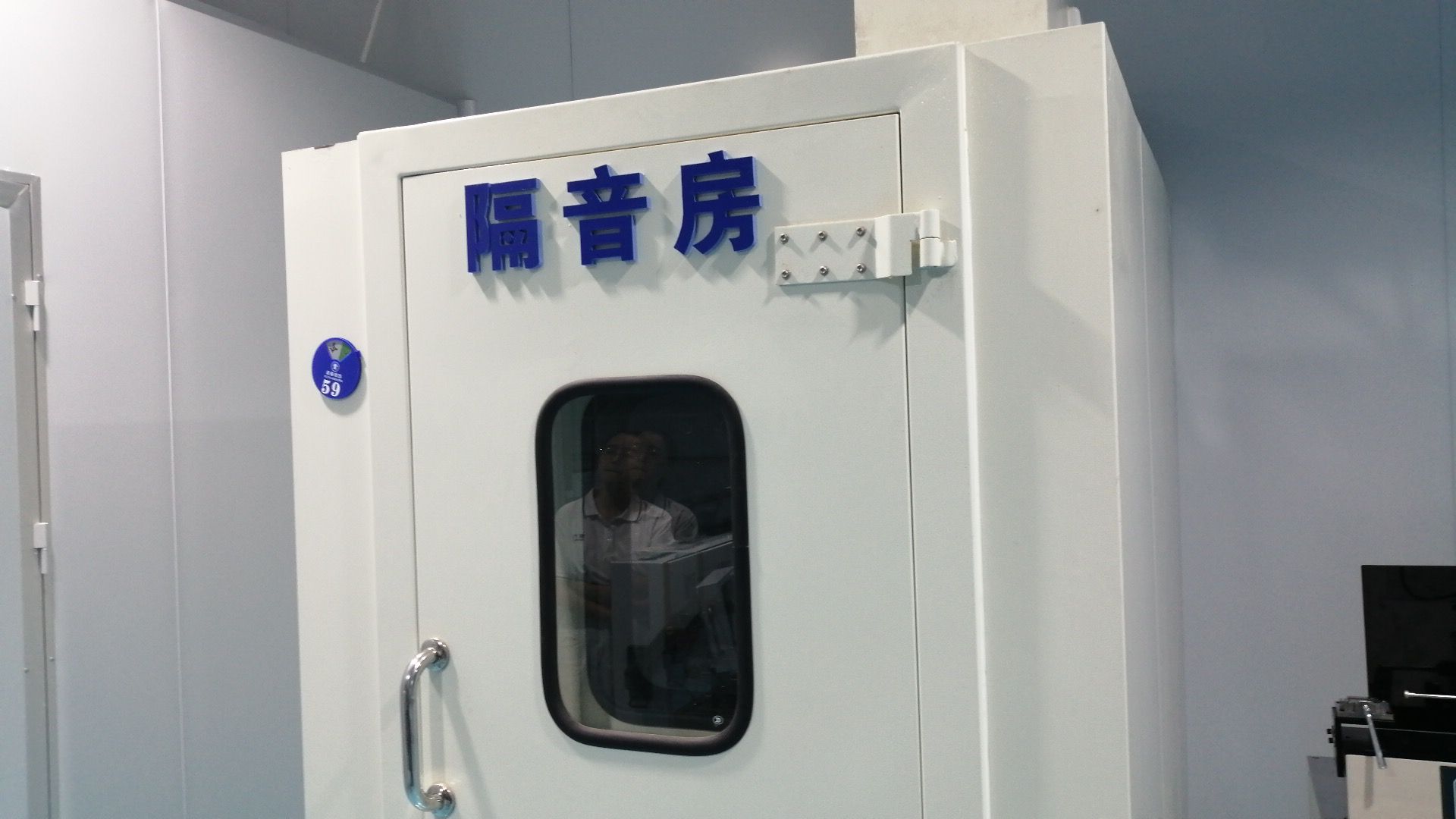 Soundproof Room
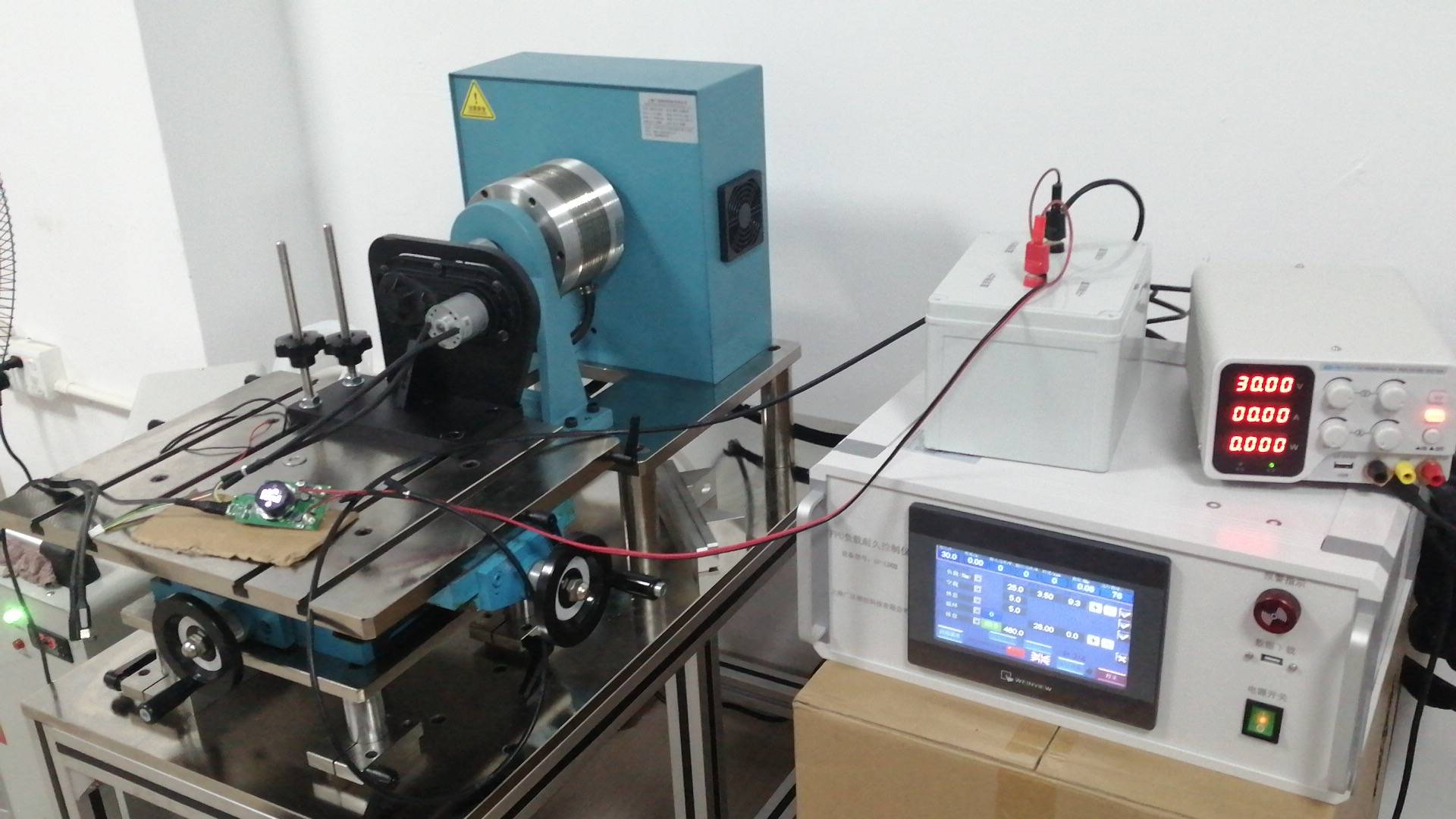 Magnetic Powder Tester
From space-constrained mechanisms to severe outdoor environments, we adapt our output configurations to fit your exact envelope requirements.
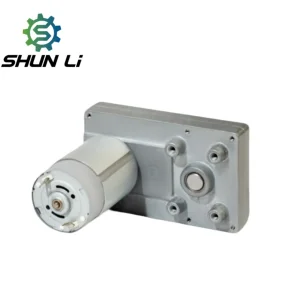
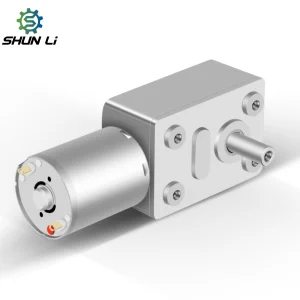
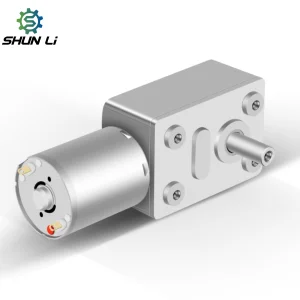
Our flat worm gearboxes, like the 46mm/32mm low-noise micro gear motors, are widely specified for dialysis systems, laboratory stirrers, and diagnostic pumps. They provide quiet operation and reliable self-locking safety metrics.
The JGY-370 series and 20RPM heavy-duty vending machine motors deliver high break-away torque to clear mechanical jams, maintaining precise rotational cycles through optional magnetic encoder feedback loops.
High-torque right-angle gear motors are widely used in automated gate locks, vehicle barriers, and high-pressure fluid valves. Their high starting torque and self-locking design prevent mechanical back-driving.
As industrial design cycles tighten, TTM Motor is focused on two main development tracks: Miniaturization and Smart Integration. We are actively expanding our brushed line to include integrated brushless motor controllers (BLDC drives with built-in speed regulation), eliminating external motor driver panels from your control system.
Furthermore, we are refining our worm and helical gear materials. By pairing high-strength alloy worms with specialized engineering polymer helical gears, we help clients run applications at peak efficiency with minimal backlash and near-silent operation.
Understanding the engineering guidelines that guarantee motor performance and longevity in tough environments.
Our raw materials and insulation wire coatings comply with current RoHS directives. We eliminate heavy metal hazards and offer documented material declarations for medical and consumer equipment approval pipelines.
We machine customized output configurations directly in-house. Options include dual-shaft, D-cut flat surfaces, cross-drilled pin channels, and custom worm threads to interface with your assembly.
Every motor batch undergoes dynamic testing on specialized equipment. This ensures consistent performance ratings for starting torque, nominal speed, current draw, and radial load capacity.
Get answers to common engineering questions regarding torque capacity, self-locking ratios, and customization options.
Self-locking occurs when the lead angle of the worm thread is smaller than the friction angle between the worm and the gear teeth. In this state, the output shaft cannot drive the input shaft, ensuring the mechanism holds its position when powered down without slipping.
Yes. Our in-house production facility can customize output shaft configurations, including D-cut profiles, keyways, cross-drilled pin holes, and custom lengths. We can also customize lead wires, connectors, and integrated magnetic encoders.
We minimize noise by using precision gear hobbing machines, high-quality synthetic lubricants, and dynamically balanced armatures. Additionally, we run critical tests in our dedicated soundproof room to ensure our motors meet quiet application requirements.
Our motors are available in standard ratings of 6V, 12V, 24V, and 36V DC. We can also custom-wind motor windings for specific input voltages, target RPMs, and operational current limits.
Select the right form factor, gear reduction ratio, and torque class to fit your operational requirements.
 TTM Motor