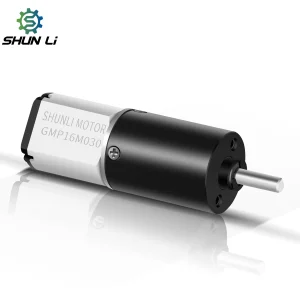
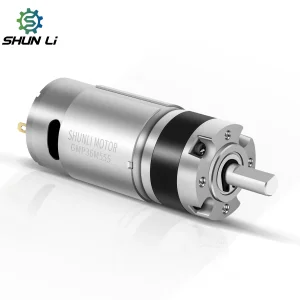
Explore our top-tier planetary gear motors engineered to meet Kansai's rigorous performance, noise reduction, and volumetric efficiency standards.
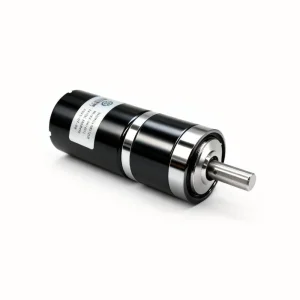
Osaka and the broader Kansai region serve as one of the most critical epicenters for precision engineering, heavy industrial machinery, and advanced robotics in Asia. Known for its historical manufacturing base in Higashiosaka and Sakai, the local industrial ecosystem has undergone a massive digital transformation toward Industry 4.0. In this environment, design engineers are consistently faced with strict constraints: reduce mechanical footprints, elevate energy efficiency, and maintain unmatched durability under complex operational cycles.
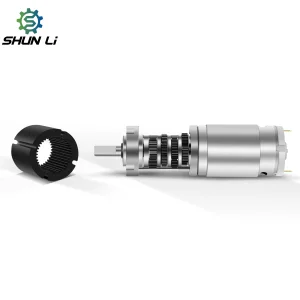
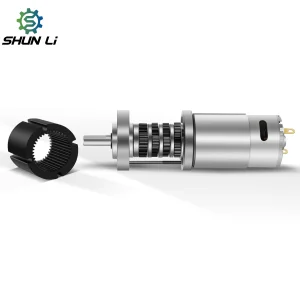
The modern planetary gear motor has emerged as the definitive solution for these modern demands. Unlike traditional spur gearboxes, planetary arrangements distribute high mechanical loads across multiple planet gears rotating around a central sun gear. This load-sharing architecture delivers significantly higher torque density per cubic millimeter. It minimizes backlash and dynamic runout—essential parameters for robotic articulators, automated guided vehicles (AGVs) operating in Kansai warehouses, and precision medical laboratory automation deployed in Osaka’s clinical research zones.
To align with upcoming industrial dynamics, our engineering roadmap for planetary gear motors focuses on three core performance variables: material sciences, tribology, and sensor integration.
1. Advanced Metallurgical Compounding: Standard sintered metal gears struggle under continuous shock loading. Our next-generation planetary gearboxes utilize carbon-nitrided steel alloys and engineered polymers (such as PEEK and POM) to reduce noise output by up to 15 dB while preserving tensile strength. For high-vacuum or sterile cleanroom operations in Osaka's electronics labs, specialized gear finishing techniques are applied to guarantee minimum particulate shed.
2. Tribology and Custom Lubrication Chemistry: Operating thermal limits depend directly on grease viscosity stability. We formulate custom synthetic lubricants that preserve operational integrity at temperatures ranging from -40°C to +120°C, ensuring zero leakages and preventing gear surface pitting over extended lifecycle cycles.
3. Brushless Motor Commutation & Smart Sensor Interfaces: By pairing our micro planetary gearheads with Brushless DC (BLDC) motors and integrating high-resolution magnetic or optical encoders, we enable micro-level positioning accuracy. This integration allows Osaka design engineers to program sophisticated torque loops and acceleration ramps directly into their motion control cards.
Our planetary gear motors act as critical components in broad macro-level systems across several sectors:
How our Shanghai-based development hub and modern smart production facilities deliver speed, precision, and cost advantages directly to the Kansai region.
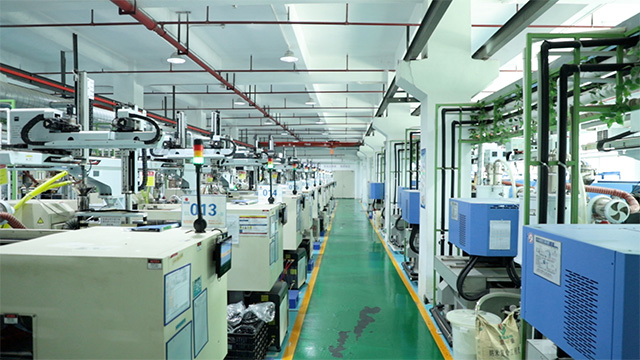
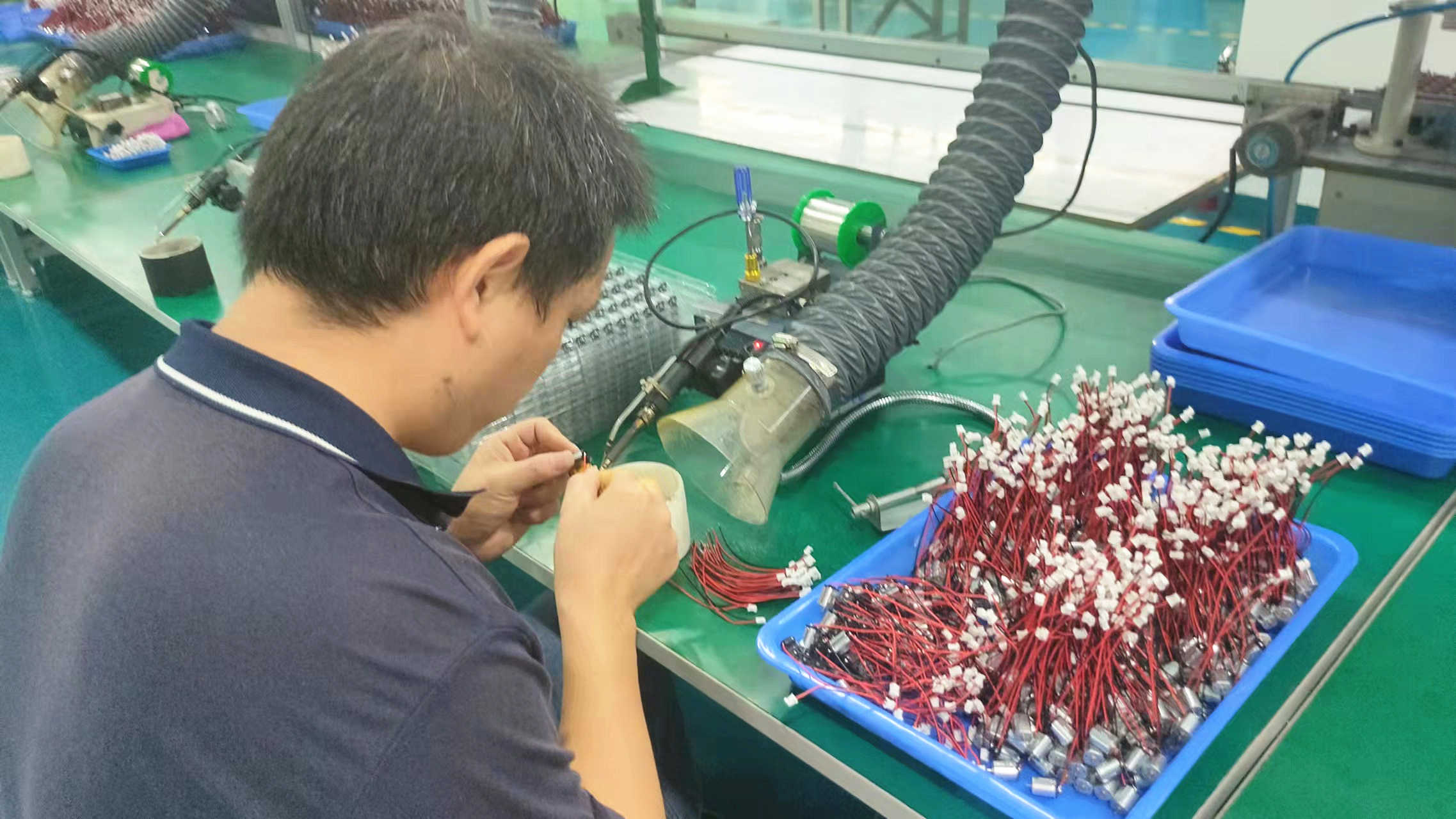
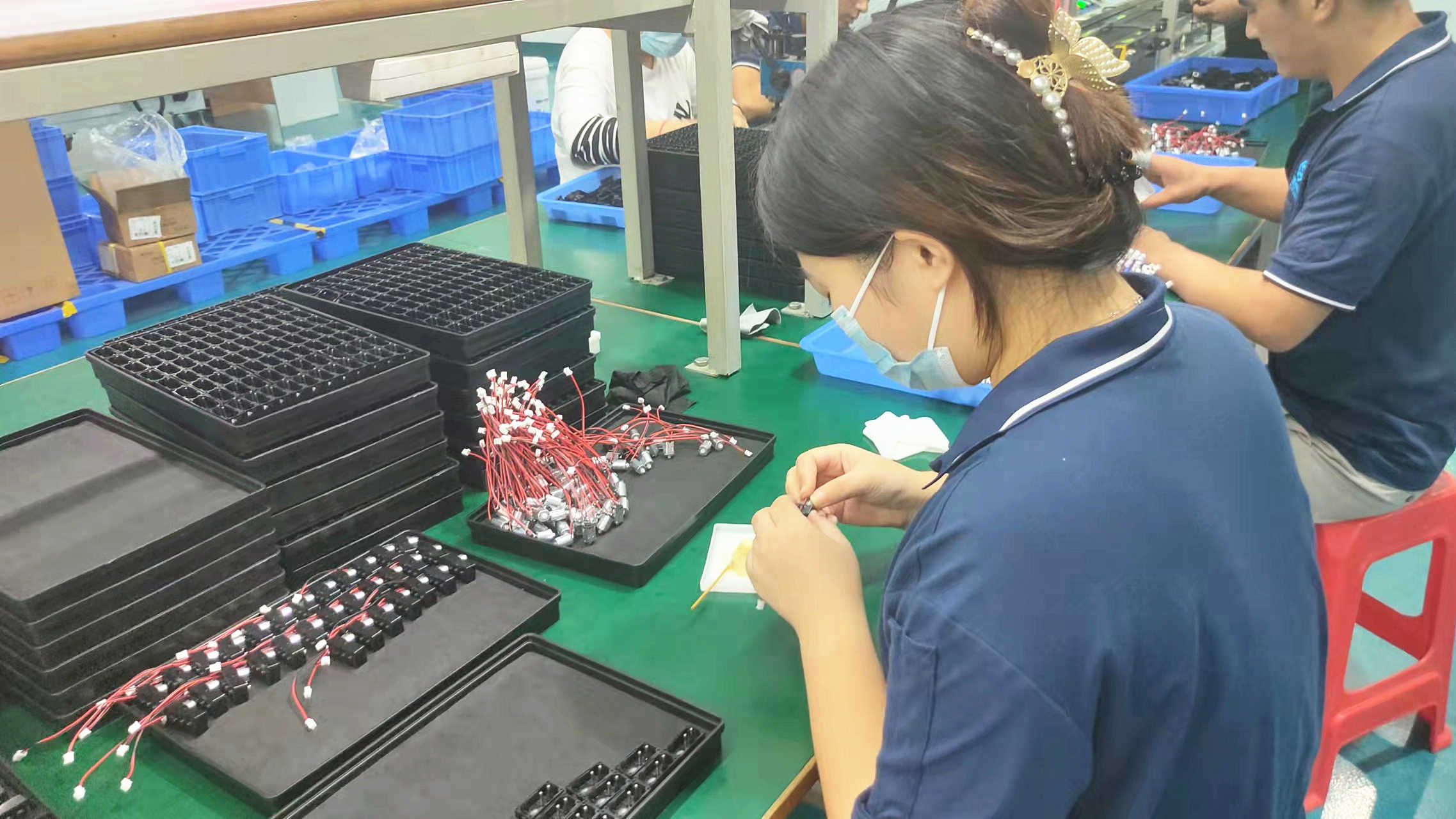
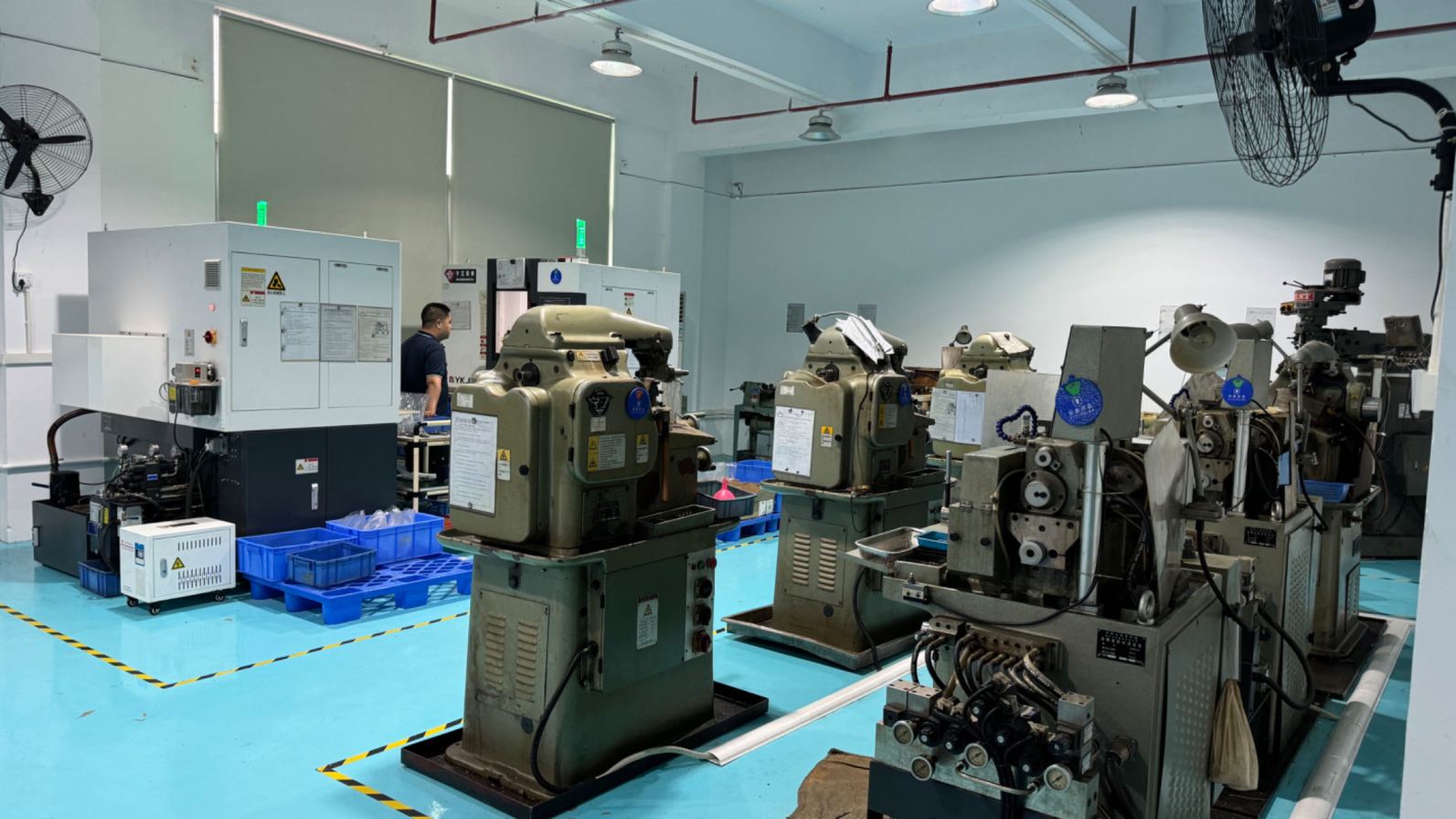
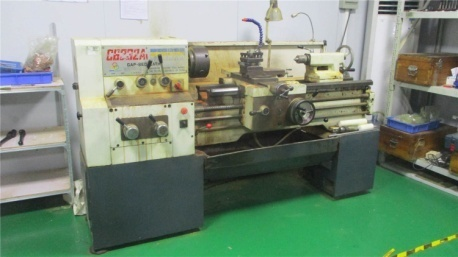
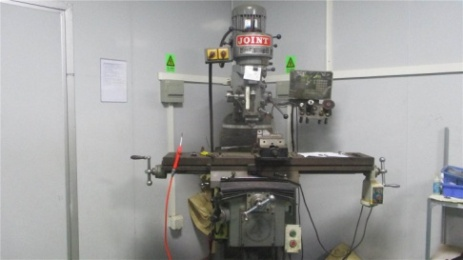
Our engineering capabilities bridge the gap between initial prototyping and scalable volume manufacturing. Operating out of a state-of-the-art Chinese manufacturing plant, TTM Motor combines structural cost benefits with strict quality management protocols. Our production workflows align with IATF 16949 standards, ensuring high repeatability for delicate planetary gears and high-torque micro DC motor windings.
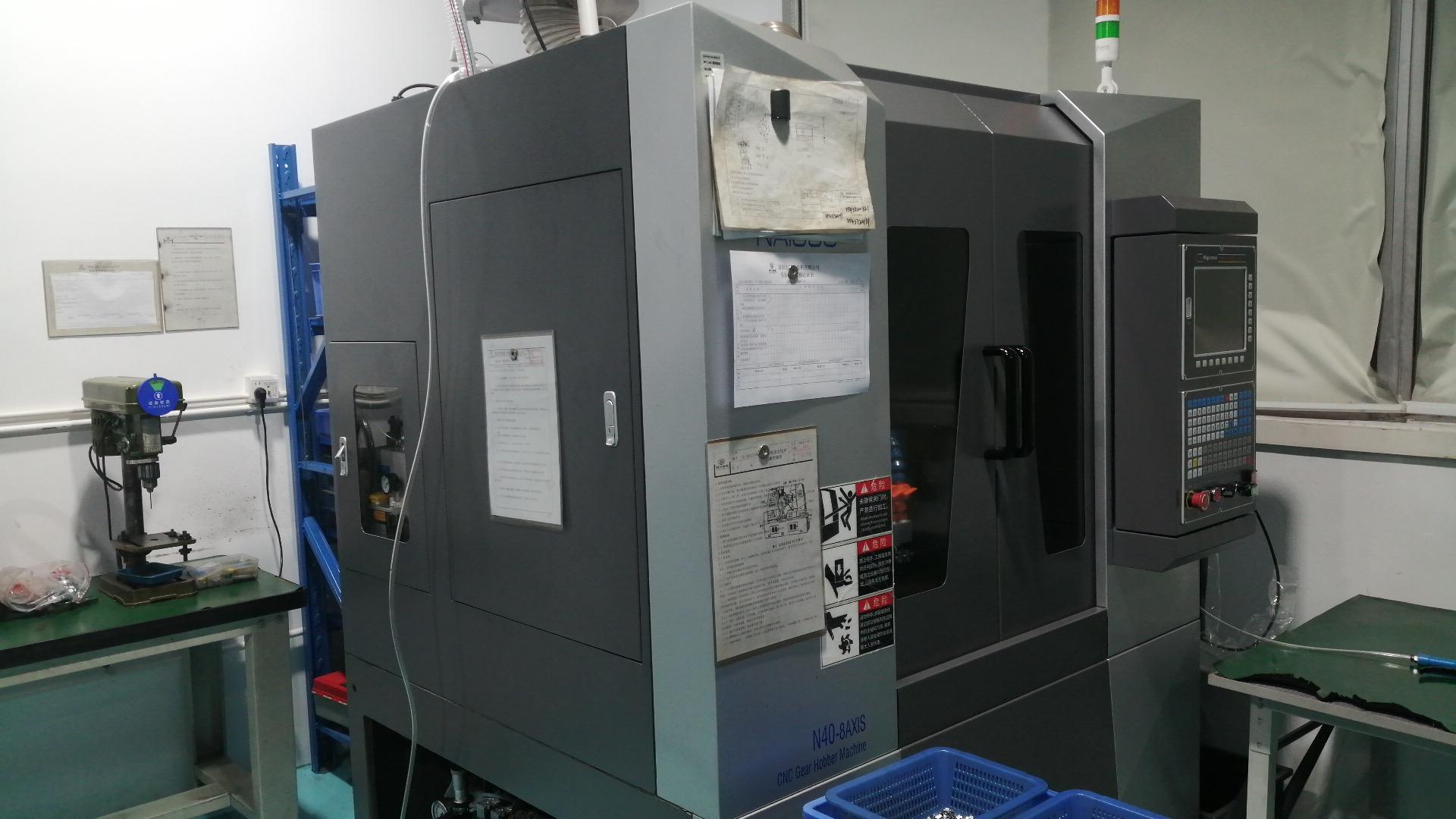
By keeping design and high-volume gear hobbing under a single roof, we cut typical customized motor design cycles from months down to a few weeks. For Osaka-based importers, this means rapid iterative design options, faster validation, and zero compromise on precision gear tolerances.

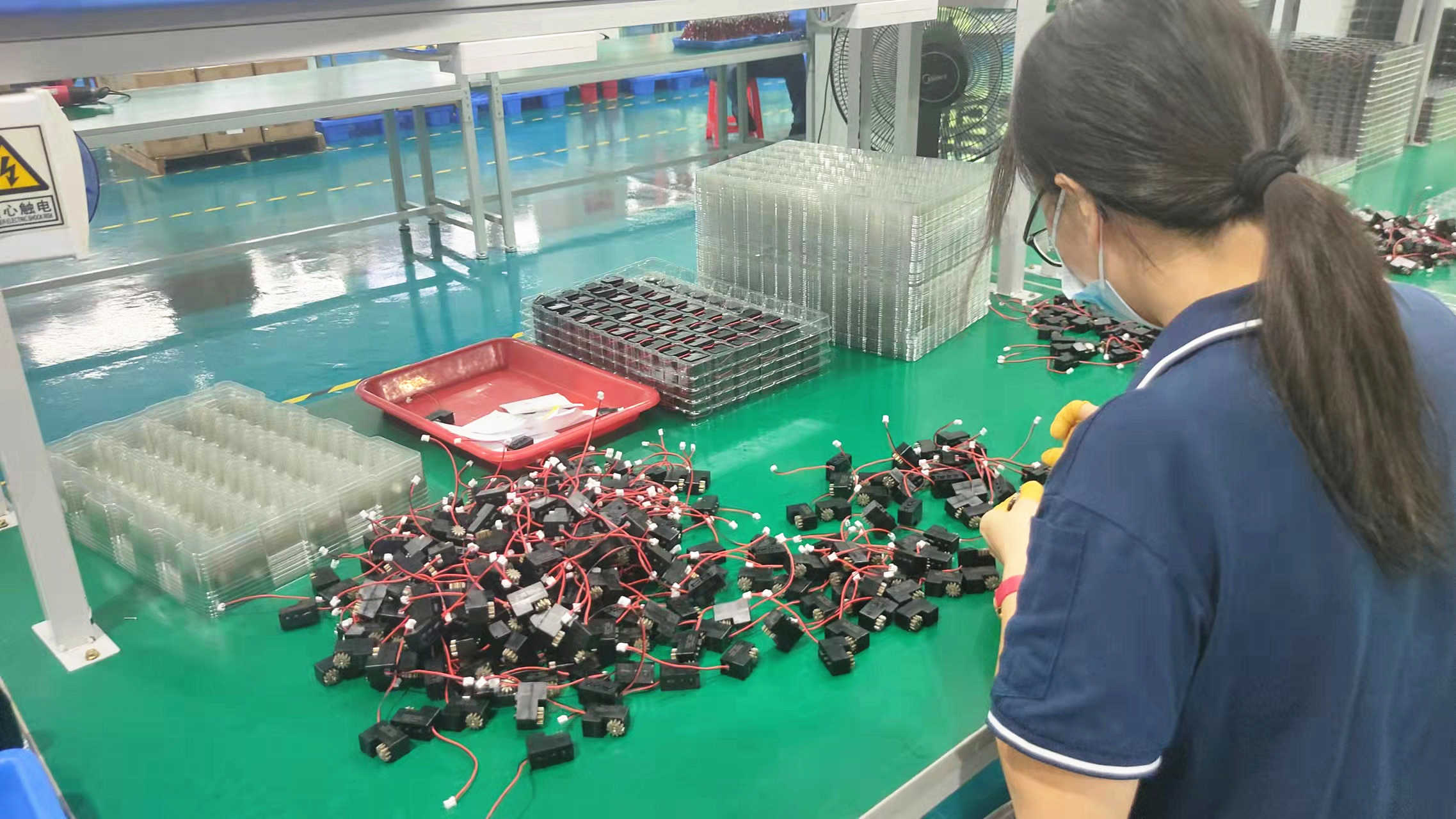
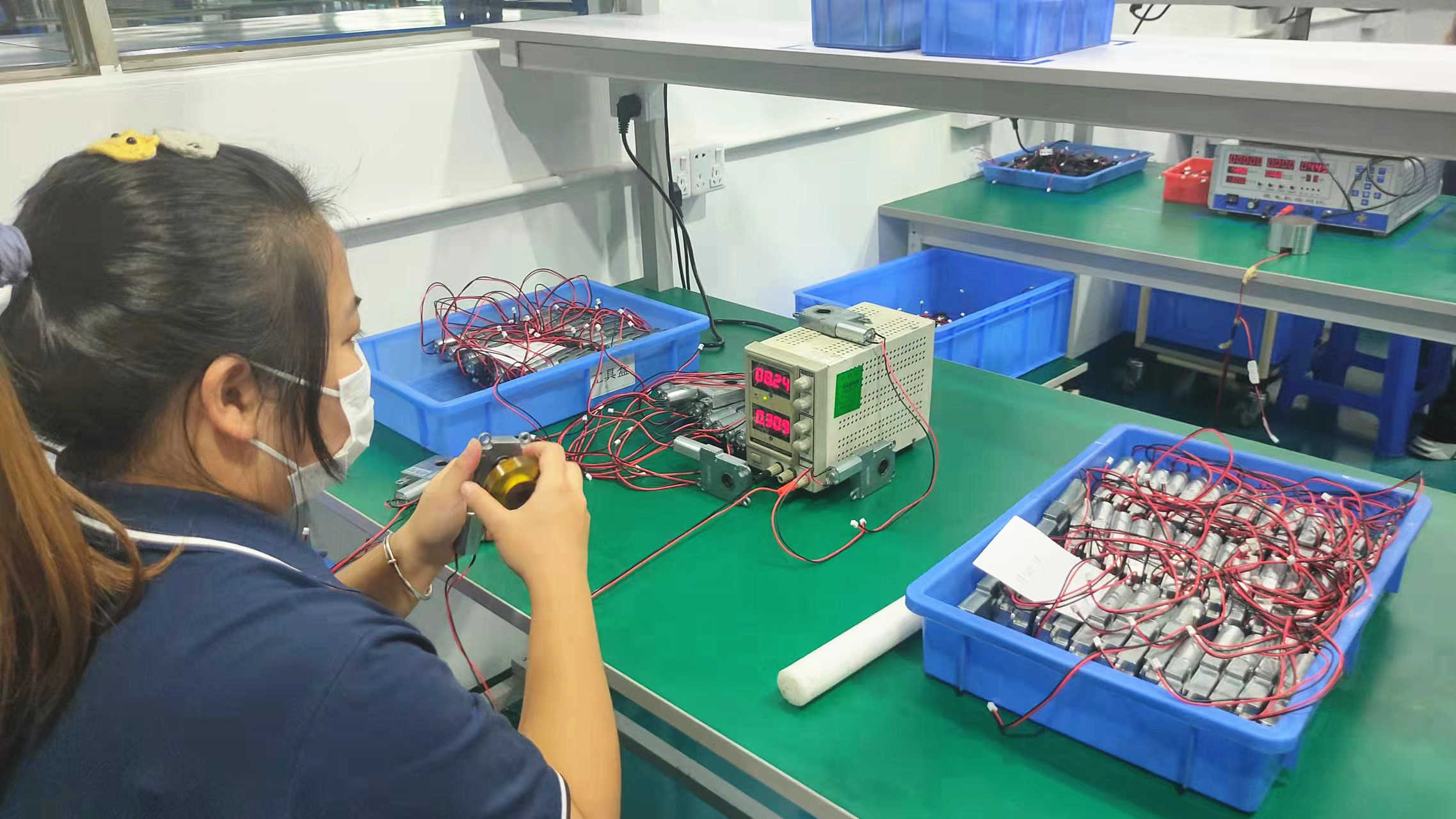
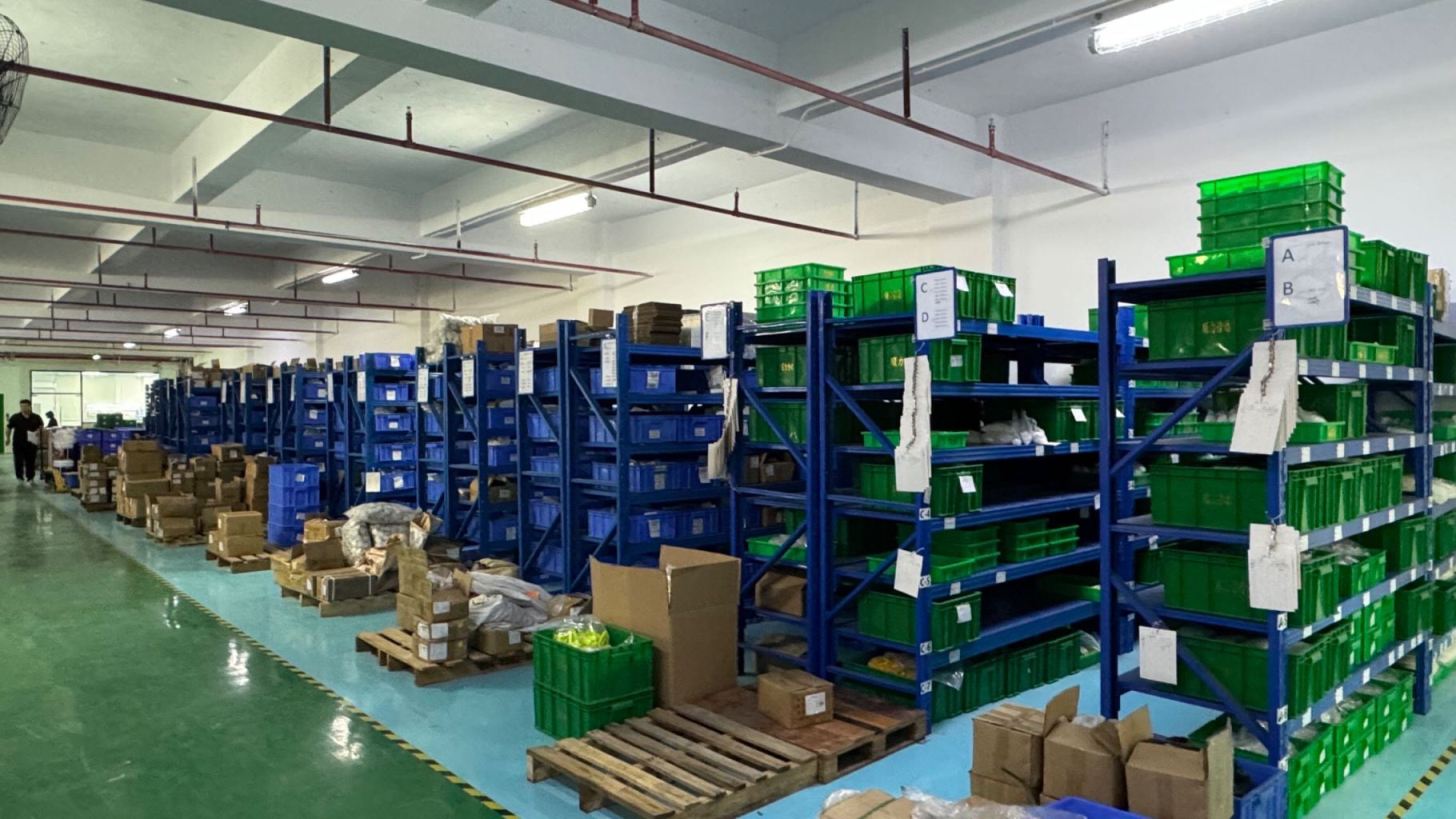
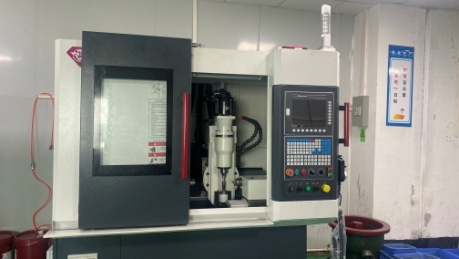
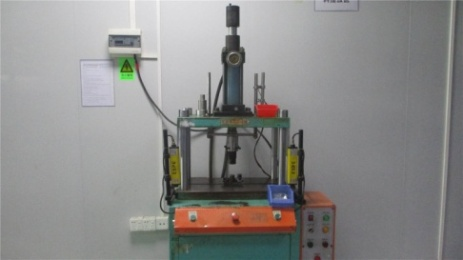
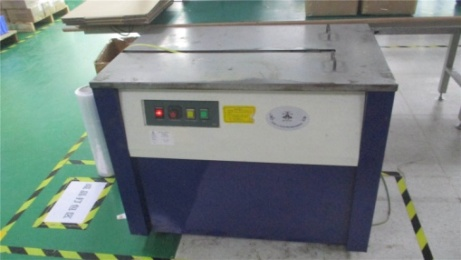
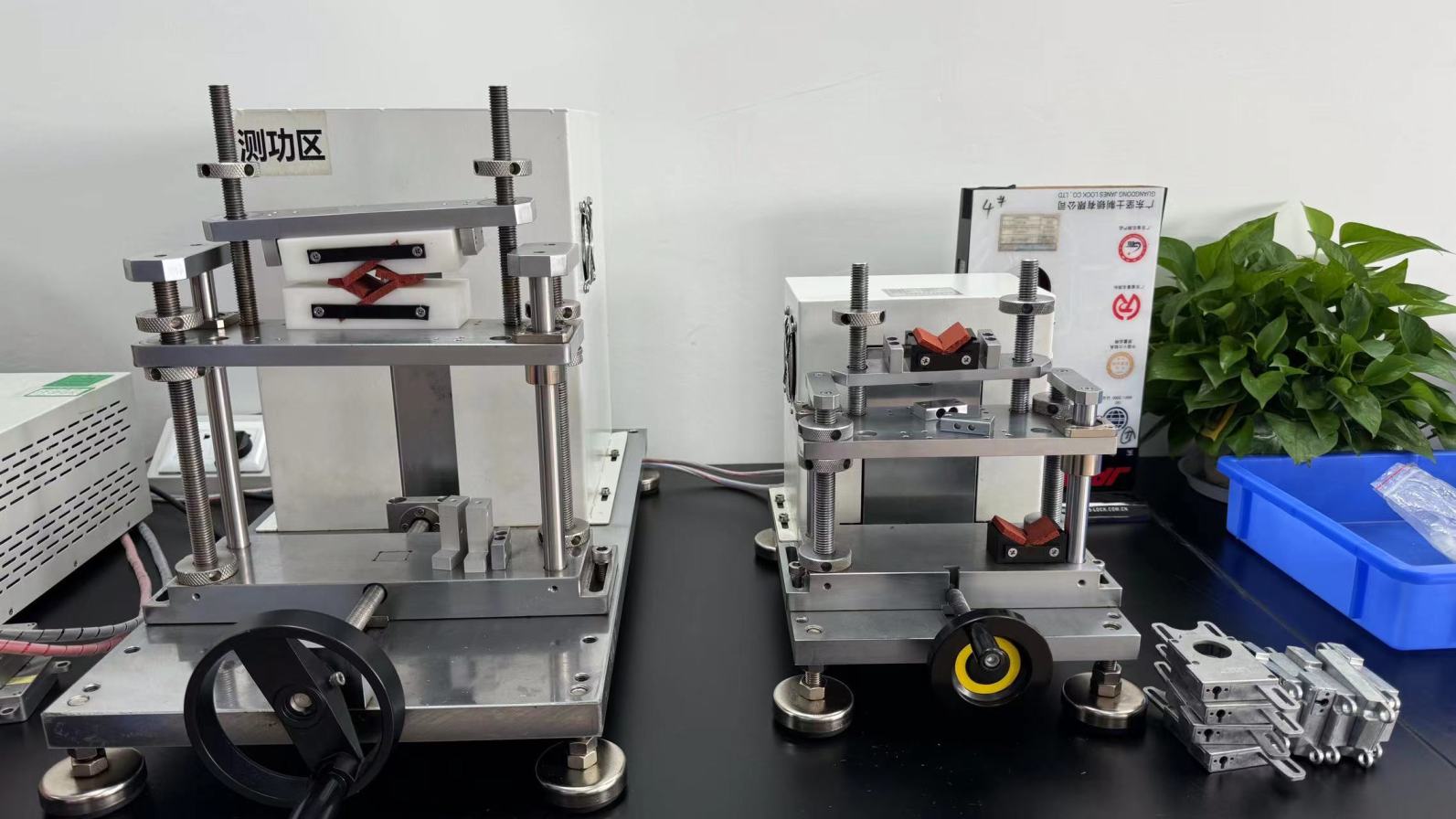
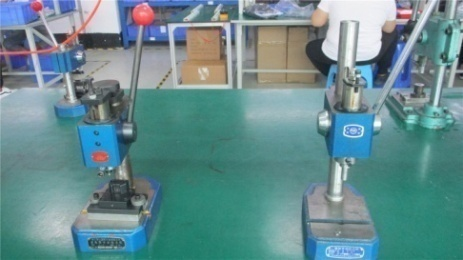
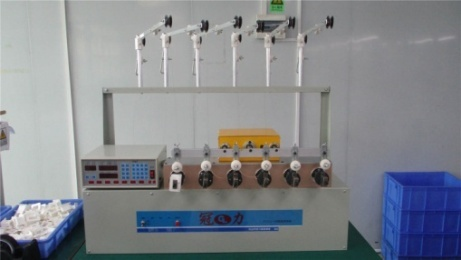
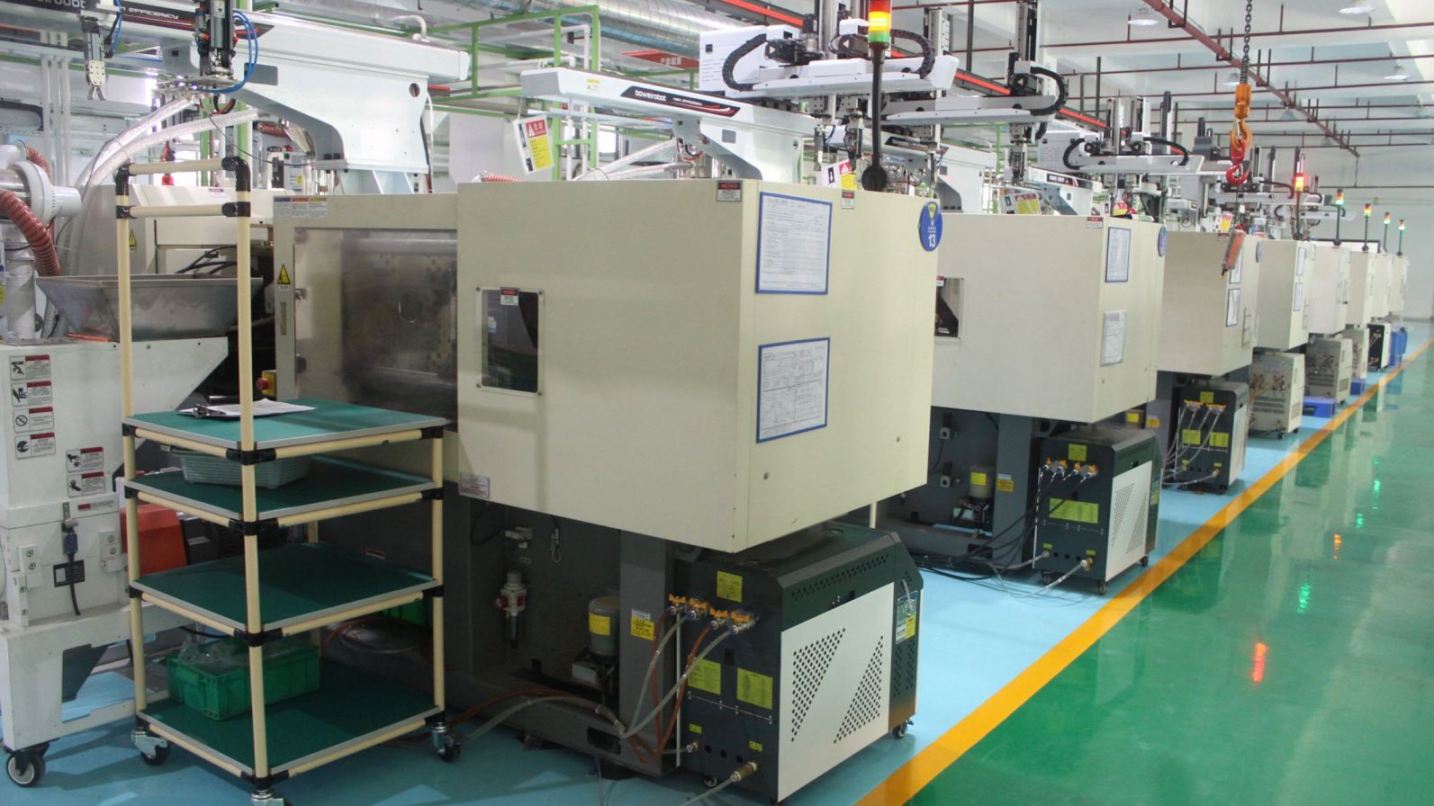
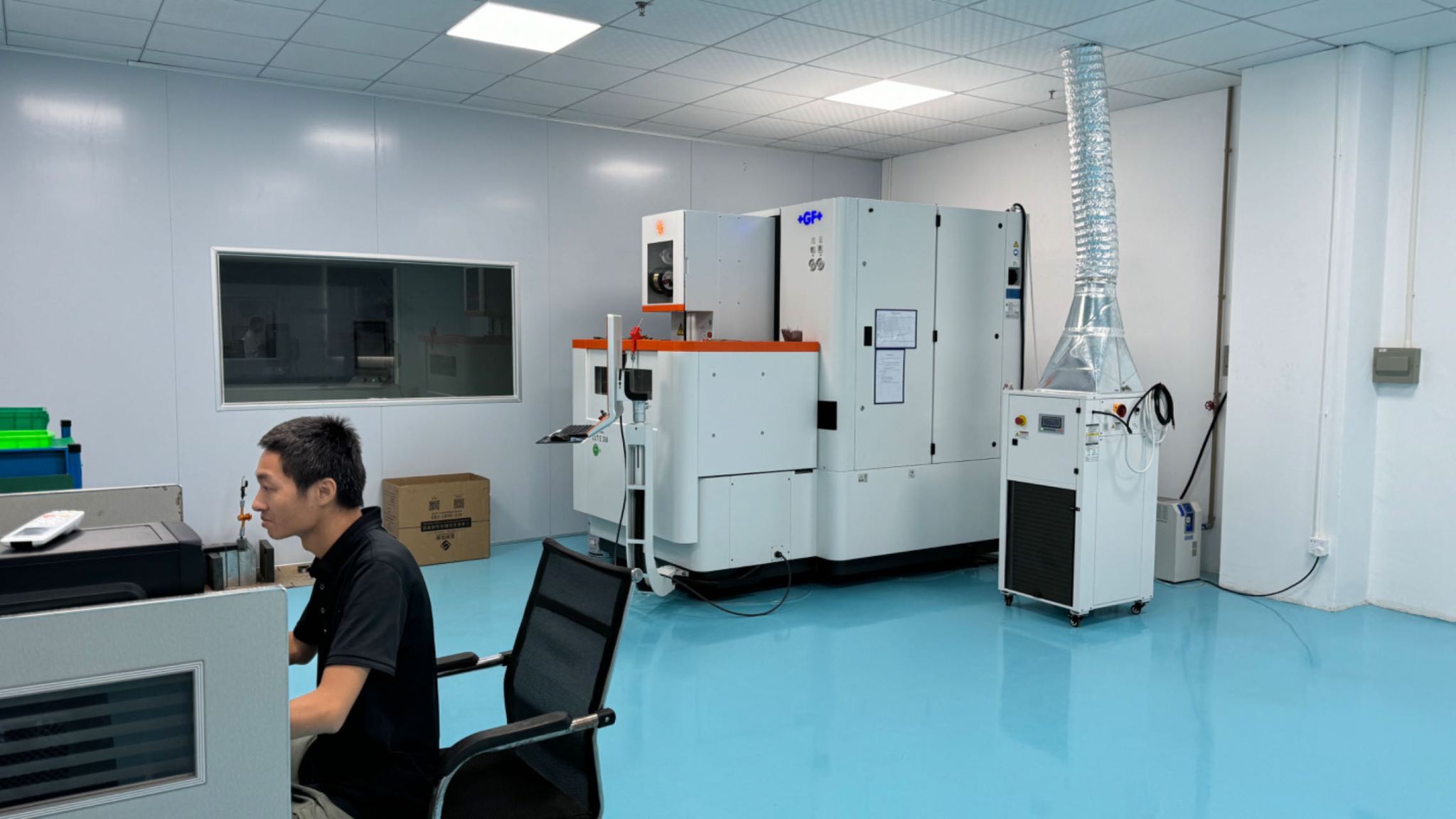
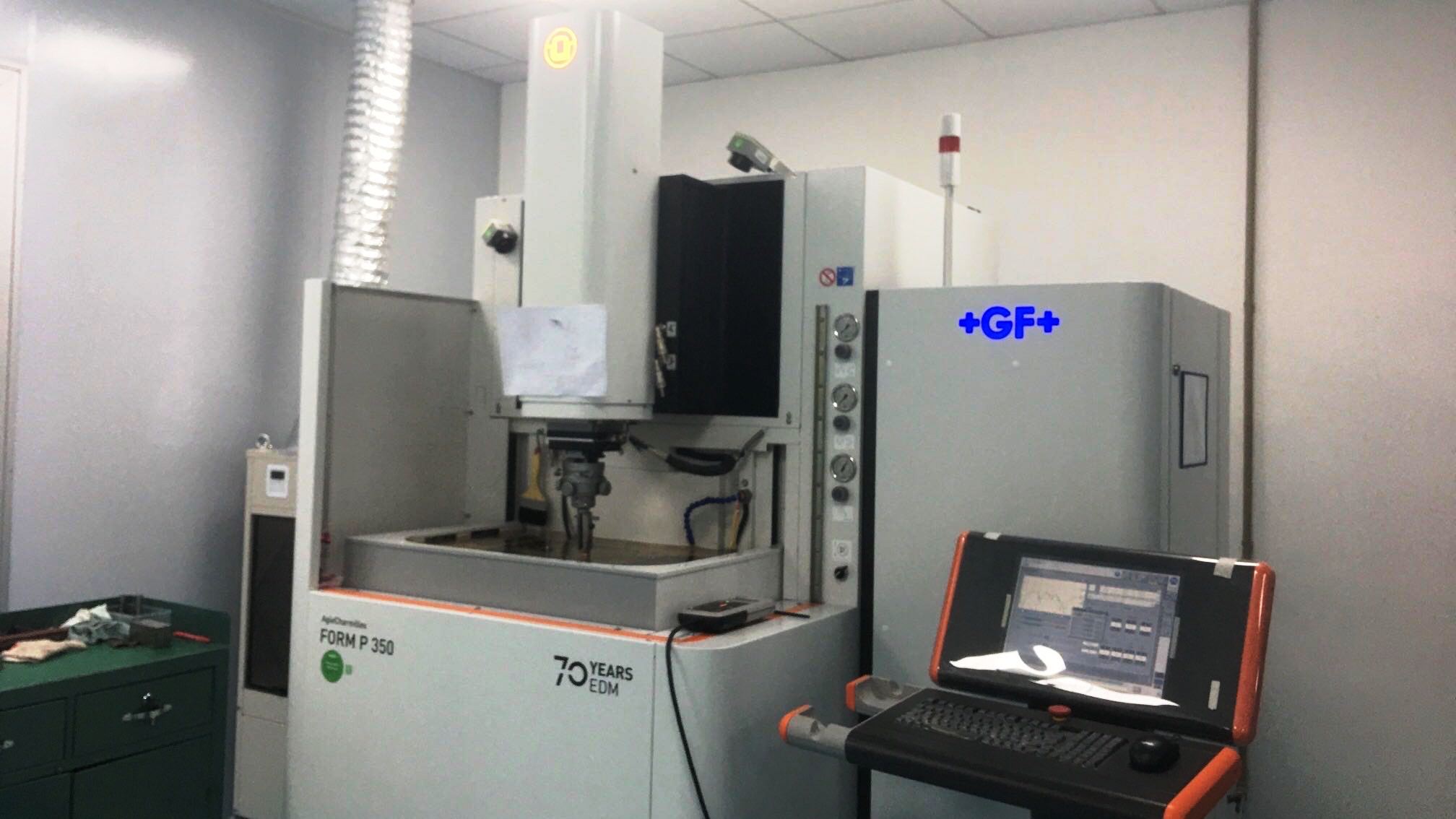
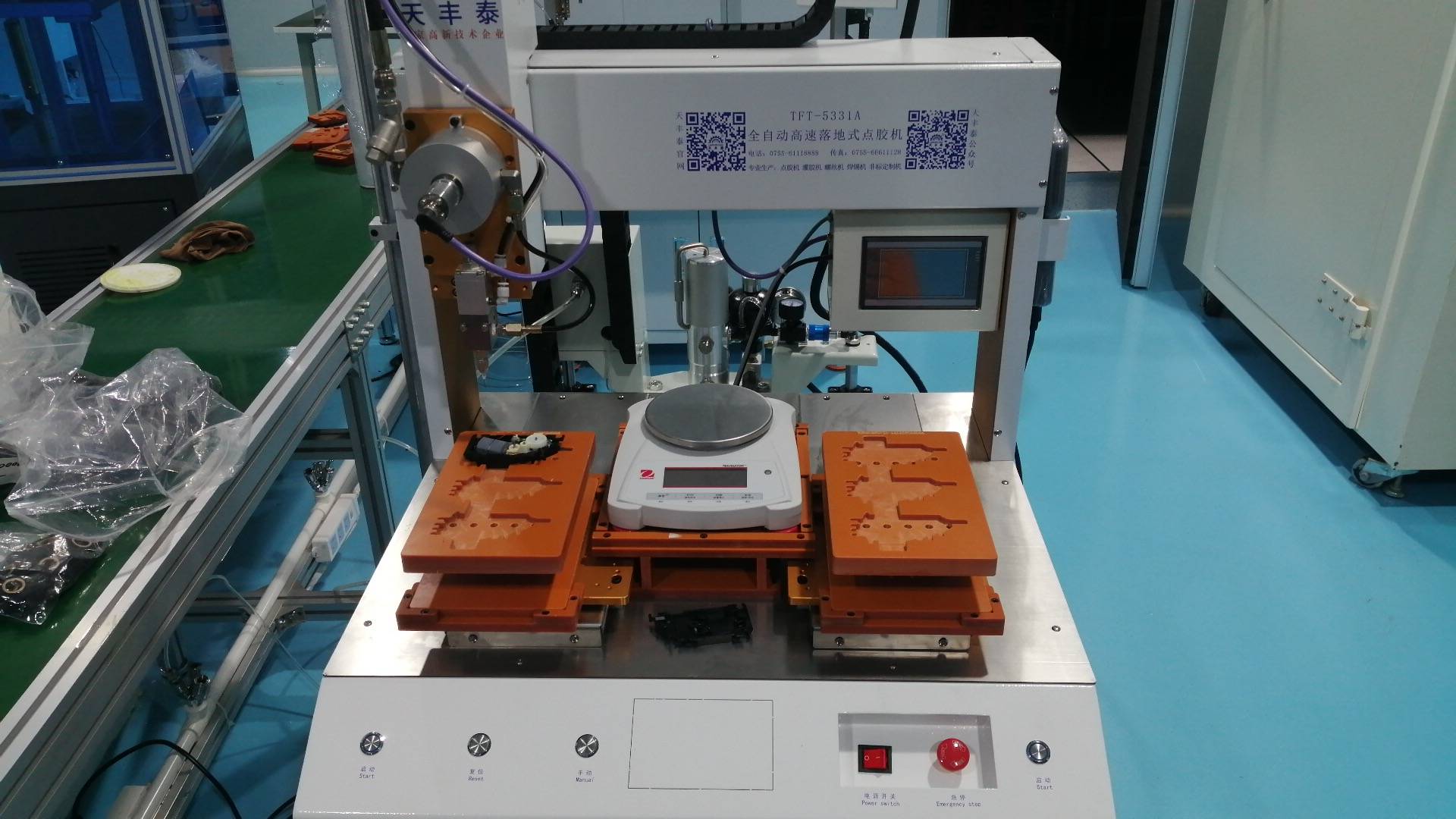

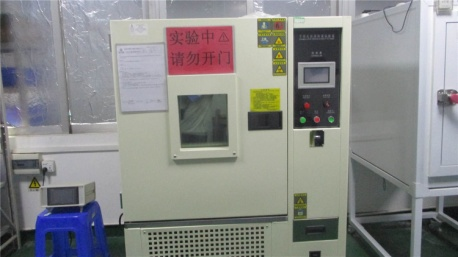
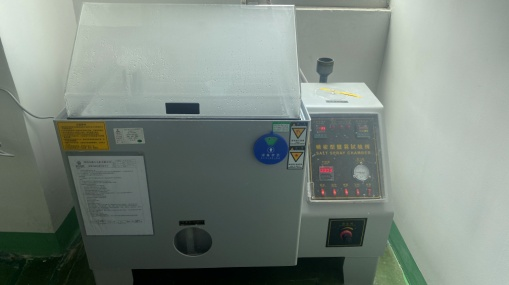
We guarantee zero-defect performance for Osaka's critical applications through advanced mechanical, electrical, and environmental testing systems.
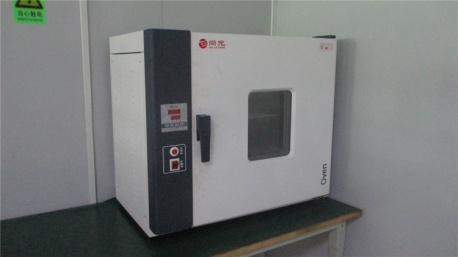
We simulate extreme storage and operational environments to verify gearbox life and grease performance over time.
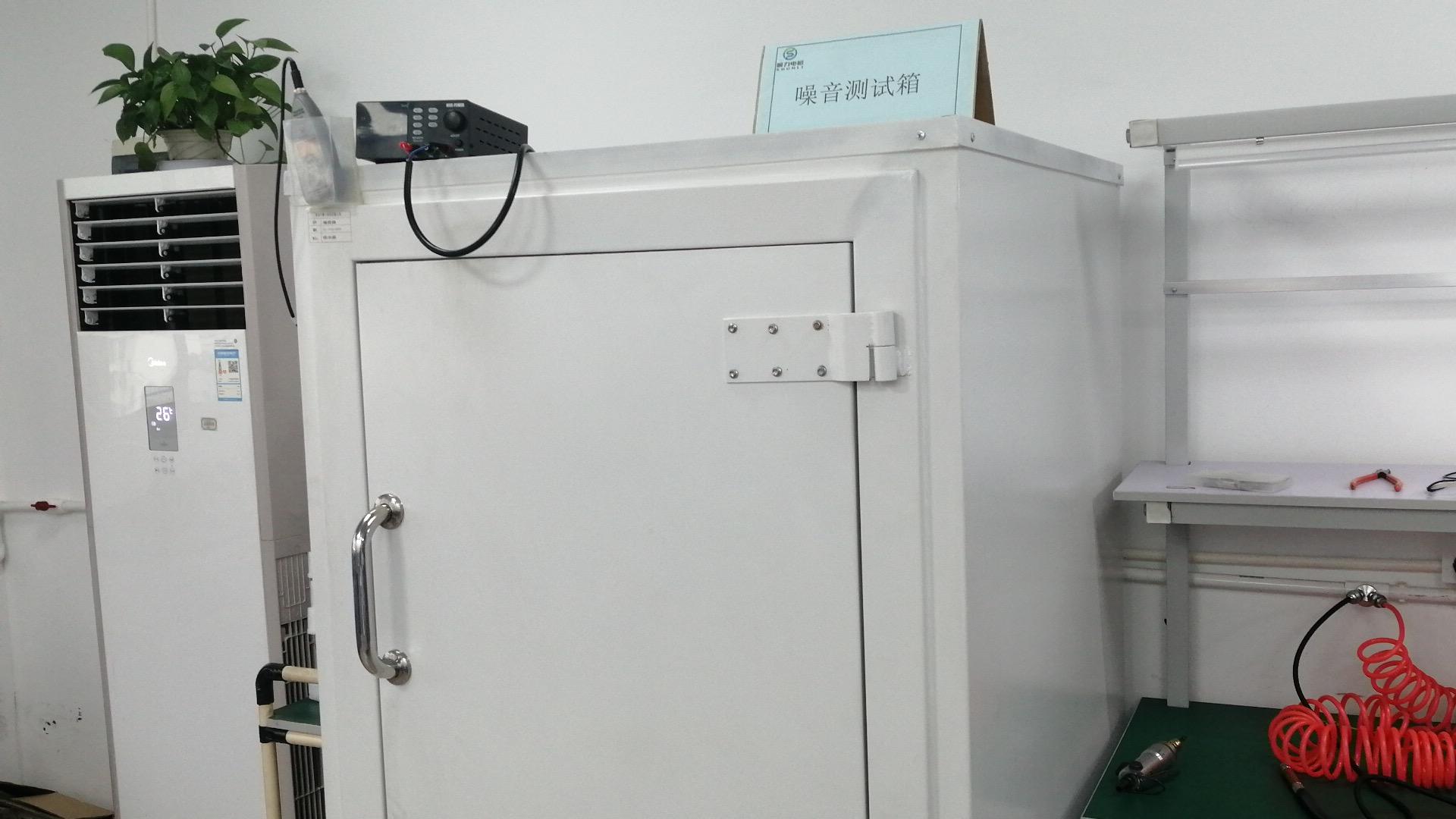
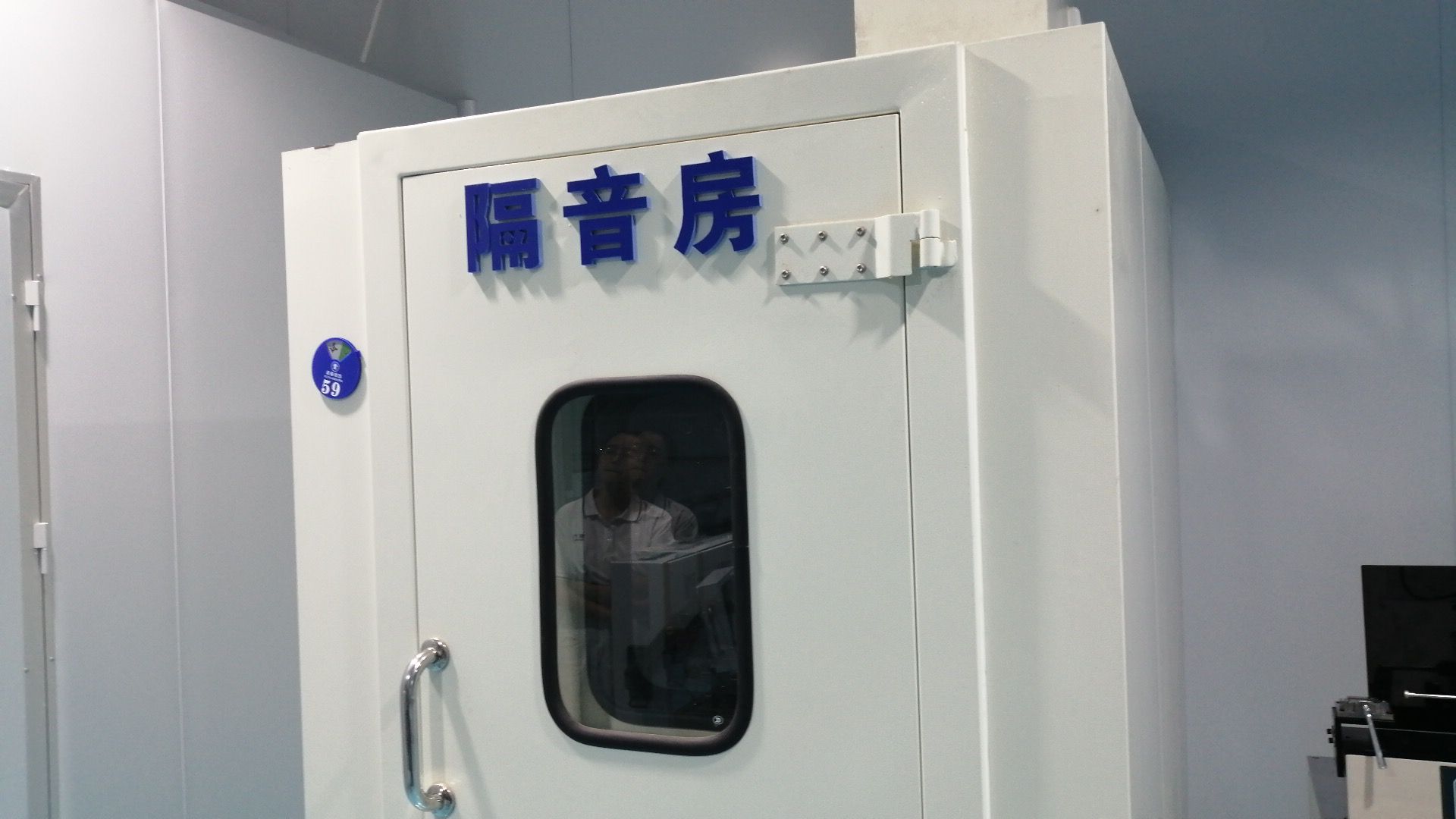
For medical systems, maintaining a low noise floor is critical. Every planetary gear stage undergoes strict noise checks.
Checking dynamic torque profiles, electrical insulation resistance, and magnetic field distribution across winding paths.
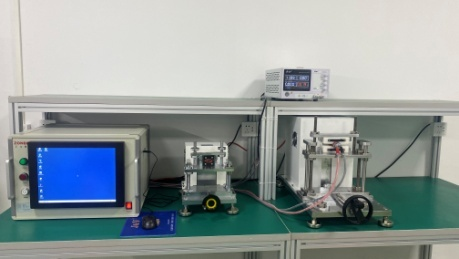
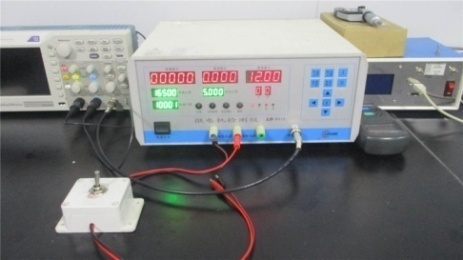
Our quality checks run from inbound raw material sorting to final packaging. We utilize optical measurement instruments (such as the Video Measuring Instrument and Microscopes) to check micro gear geometries and ensure our gear teeth mesh cleanly with minimal backlash. Every production run is validated on our high-speed Magnetic Powder Testing Machines and monitored via Digital Oscilloscopes to confirm standard torque delivery.
For procurement professionals and global supply chain directors, buying precision motion products requires balancing landing cost against overall quality risk. Direct delivery routes from Shanghai to the Port of Osaka offer excellent logistic agility, cutting transport times down to 2-3 days compared to long-distance European or North American corridors. We minimize lead times by holding buffer stocks of standard components, allowing us to build, test, and ship customized configurations on short notice.
All planetary gear motors shipped to Osaka comply with crucial international regulations, facilitating straightforward import procedures and smooth custom clearances:
Select from our wide array of planetary micro-drives, with customizable voltages, ratios, and encoder packages designed to support Kansai's industry needs.
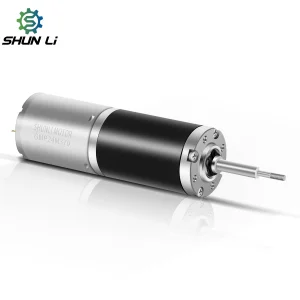
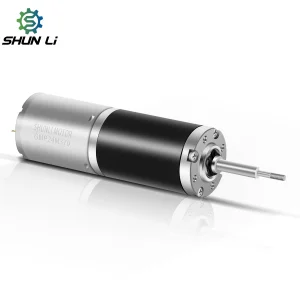
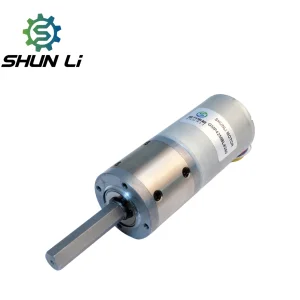
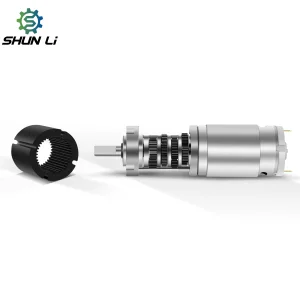
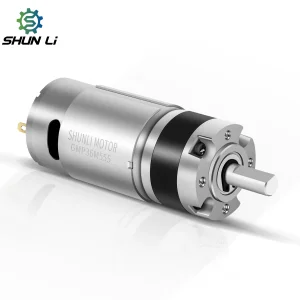
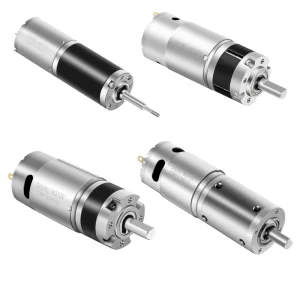
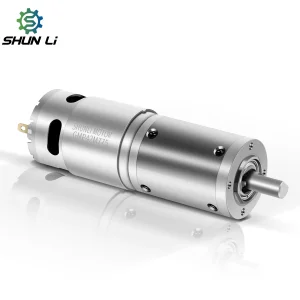
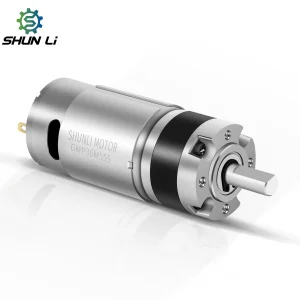
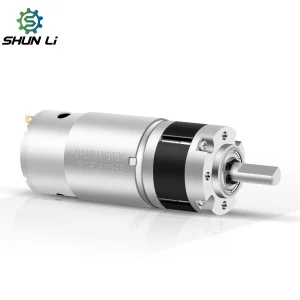
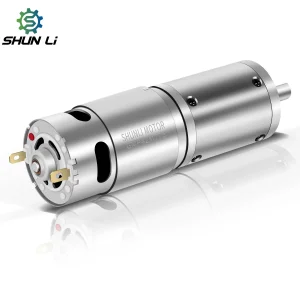
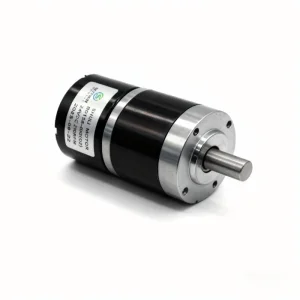
When specifying a planetary gear motor, design engineers in Osaka must balance output speed, required torque, and overall mechanical footprint. The planetary gear design offers a significant benefit: it achieves high reduction ratios in a compact form factor. By stacking multiple planetary stages, we easily output high torque values from tiny motor packages.
However, each added gearing stage introduces dynamic factors like backlash and slight efficiency losses. A single-stage gearbox usually delivers 90-95% mechanical efficiency, while a three-stage layout drops to 70-80% due to cumulative friction. Engineers must also calculate thermal dissipation limits. High-torque output at low RPMs generates heat in both the motor windings and the gear meshes. Our engineering team assists Osaka clients in performing these calculations, ensuring your chosen motor operates within its safe temperature range under continuous duty cycles.
Get answers to the most common engineering and logistical questions asked by our clients in Osaka and the Kansai region.
Whether you need a drop-in replacement or a custom gear motor design, our engineering team is here to assist with calculations, 3D CAD files, and technical advice.
Send Inquiry Now TTM Motor