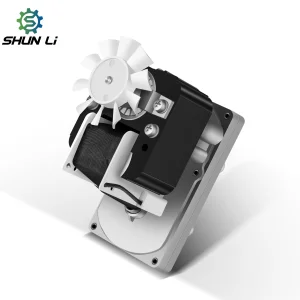
CE Certified Step Motor Driver Manufacturer & Suppliers

Precision-Engineered Motion Control Solutions meeting strict European CE Compliance standards for Medical, Automotive, Industrial Automation, and Robotics Industries.

Engineering Precision Motion Controls: TTM Motor Capability Overview

At TTM Motor, we don’t just manufacture motors—we engineer motion. We understand that in the world of advanced robotics, medical equipment, and smart automation, a fraction of a millimeter or a micro-level torque variance can dictate the success of your entire project. That is why our Shanghai-based R&D facility is dedicated entirely to pushing the boundaries of micro-drive and stepper controller performance.

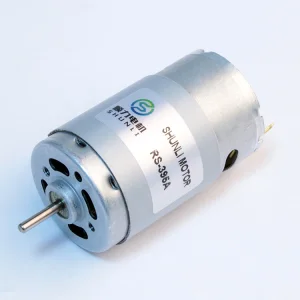
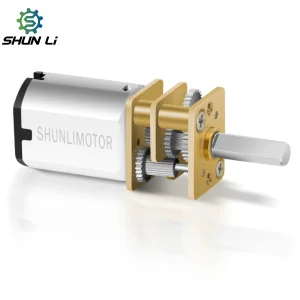
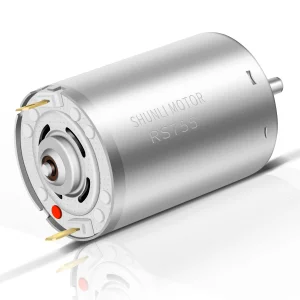
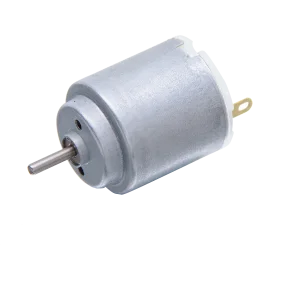
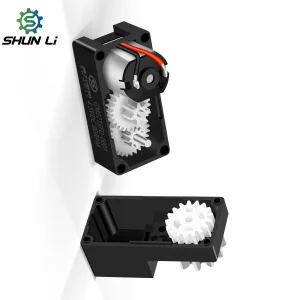
Every micro DC motor, planetary gearhead, and brushless drive (BLDC) we produce is a result of rigorous cross-disciplinary engineering. Armed with advanced CAD/CAM software, automated winding technologies, and precision dynamic balancing testing equipment, our in-house engineering team bridges the gap between your conceptual design and volume manufacturing.
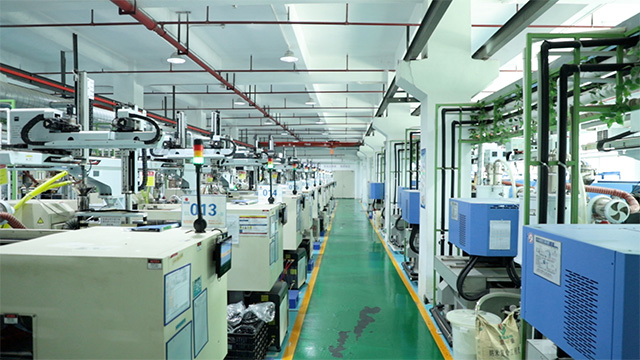
True to our Top Quality & Customization ethos, we specialize in solving complex integration challenges. Whether your application requires an integrated encoder for precise closed-loop feedback, a custom-molded lead screw shaft, or a high-vacuum-compatible enclosure, TTM Motor has the technical expertise to customize and deliver ready-to-install motion sub-assemblies that meet your exact specifications.
TTM Motor Engineering & Design Laboratory Center
100%
CE Compliant / EMC Tested
15+ Yrs
R&D Engineering Experience
0.02μm
Gear Hobbing Machining Precision
50+
Global Industrial Markets Served

Technical Analysis: Step Motor Driver Evolution & Global Procurement Landscape

A comprehensive examination of engineering trends, standard compliance requirements, and manufacturing supply chain dynamics.

1. Closed-Loop & Sensorless FOC Integration

Modern stepping motor drivers are evolving from simple open-loop indexers to sophisticated Field-Oriented Control (FOC) systems. By integrating high-resolution magnetic or optical encoders directly, systems suppress resonance, mitigate step loss, and dynamically optimize the driving current based on actual torque demands. This dramatically decreases thermal build-up and power consumption.

2. CE & EMC Safety Standards

For medical devices and industrial systems distributed inside the European Union, CE Certification is mandatory. Drivers must pass strict Electromagnetic Compatibility (EMC) testing (EN 55011 / EN 61000 standards) to ensure high-frequency switching noise doesn't interfere with adjacent sensitive electronic modules, ensuring reliable diagnostic and control outcomes.

3. Networked Communication Topologies

Traditional step/direction pulse interfaces are rapidly giving way to real-time industrial networks such as CANopen, EtherCAT, and Modbus RTU/TCP. Decentralized control architectures put the trajectory generation local to the step motor driver, allowing a central PLC to orchestrate complex synchronized multi-axis operations over a single bus network.

Supply Chain Resilience Insight: Procuring step motor drivers from ISO 9001:2015 certified manufacturers like TTM Motor guarantees traceability from incoming raw components (silicon gates, MOSFETs, and high-temp capacitors) to final dynamic burn-in and functional validation tests.

From Raw Material to Quality Assurance: Our Production Pipeline

A step-by-step technical view of the strict process guidelines followed inside our Shanghai manufacturing base.

Incoming raw material verification Raw Material
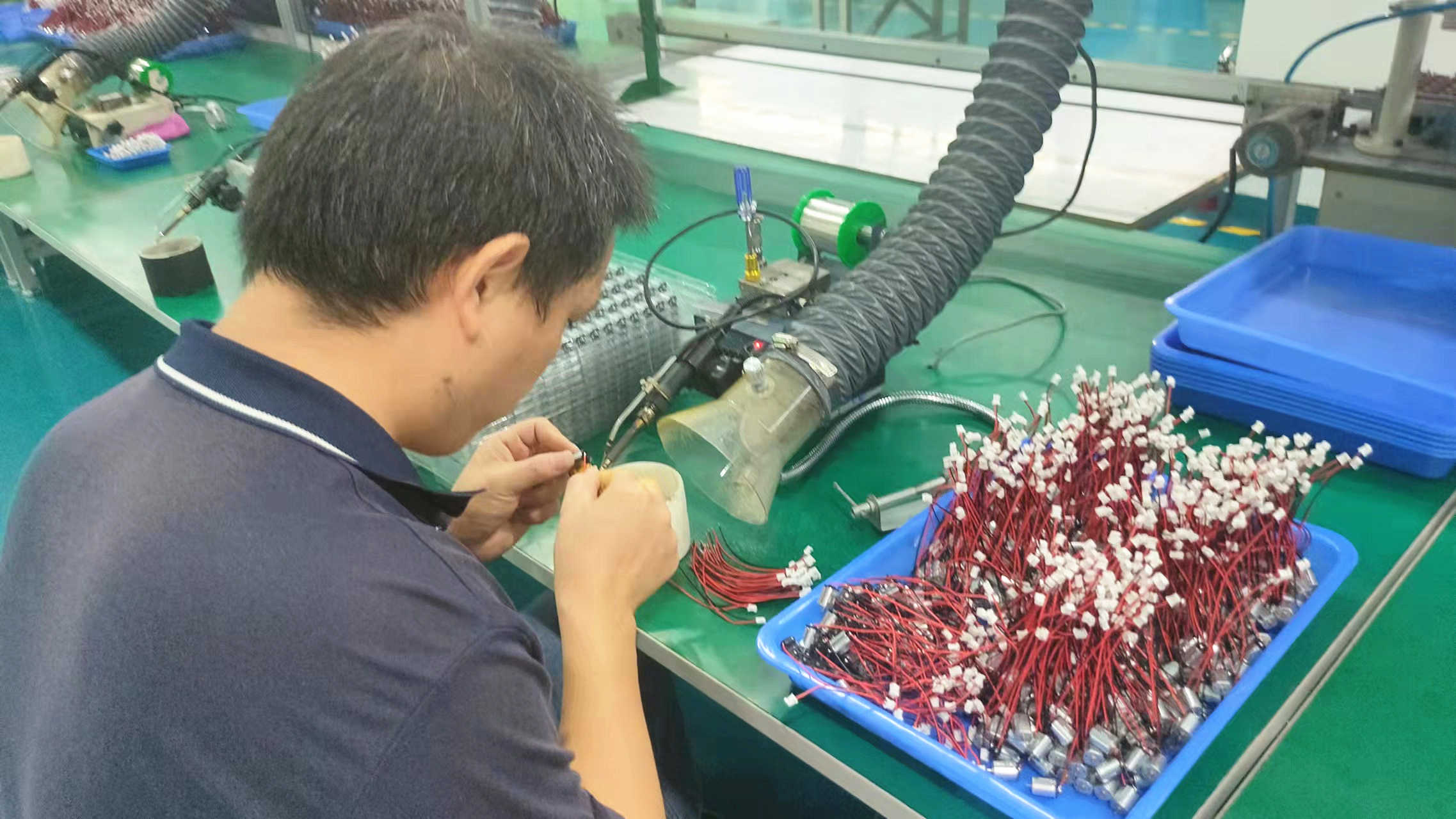
Soldering process Soldering
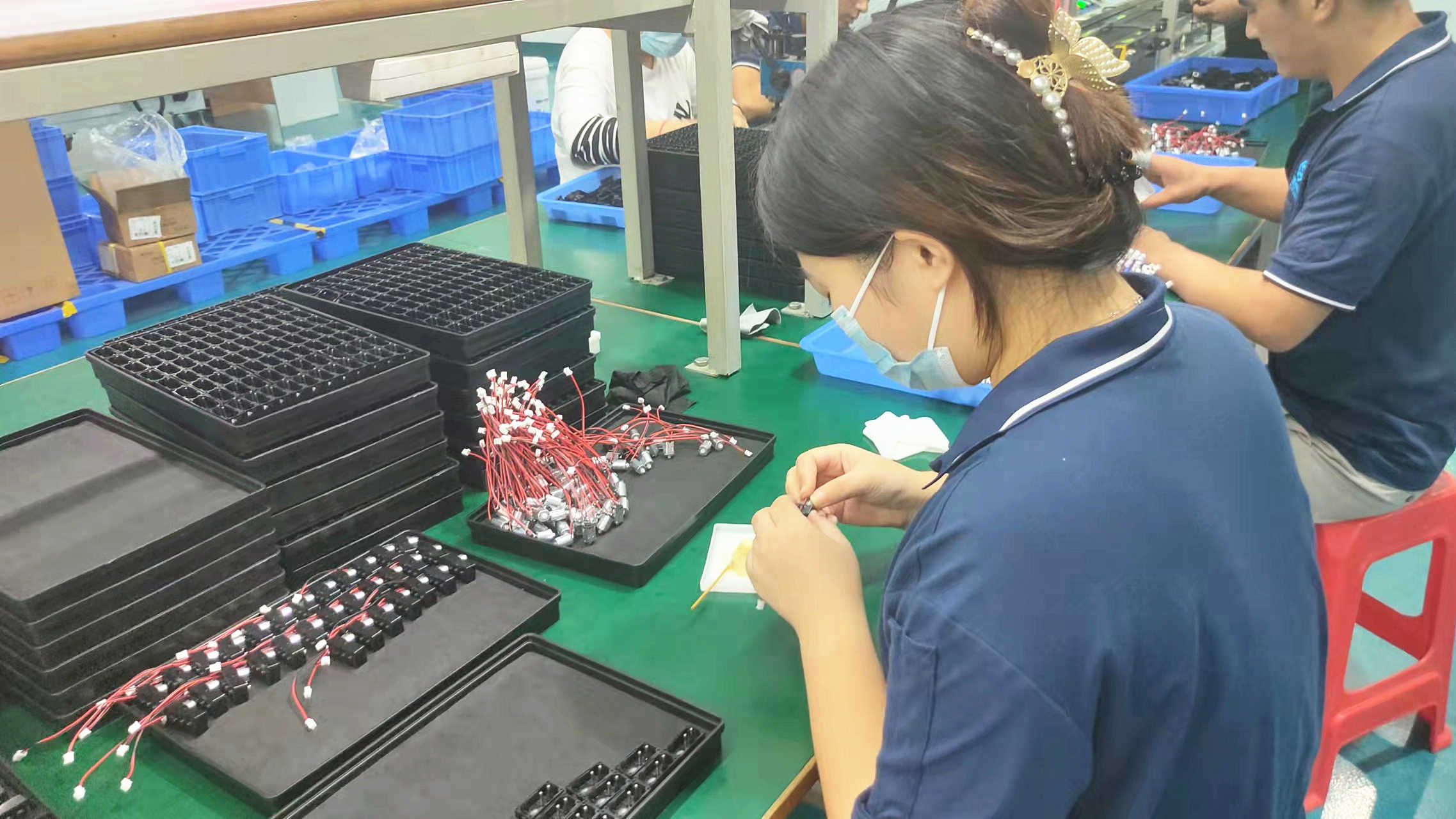
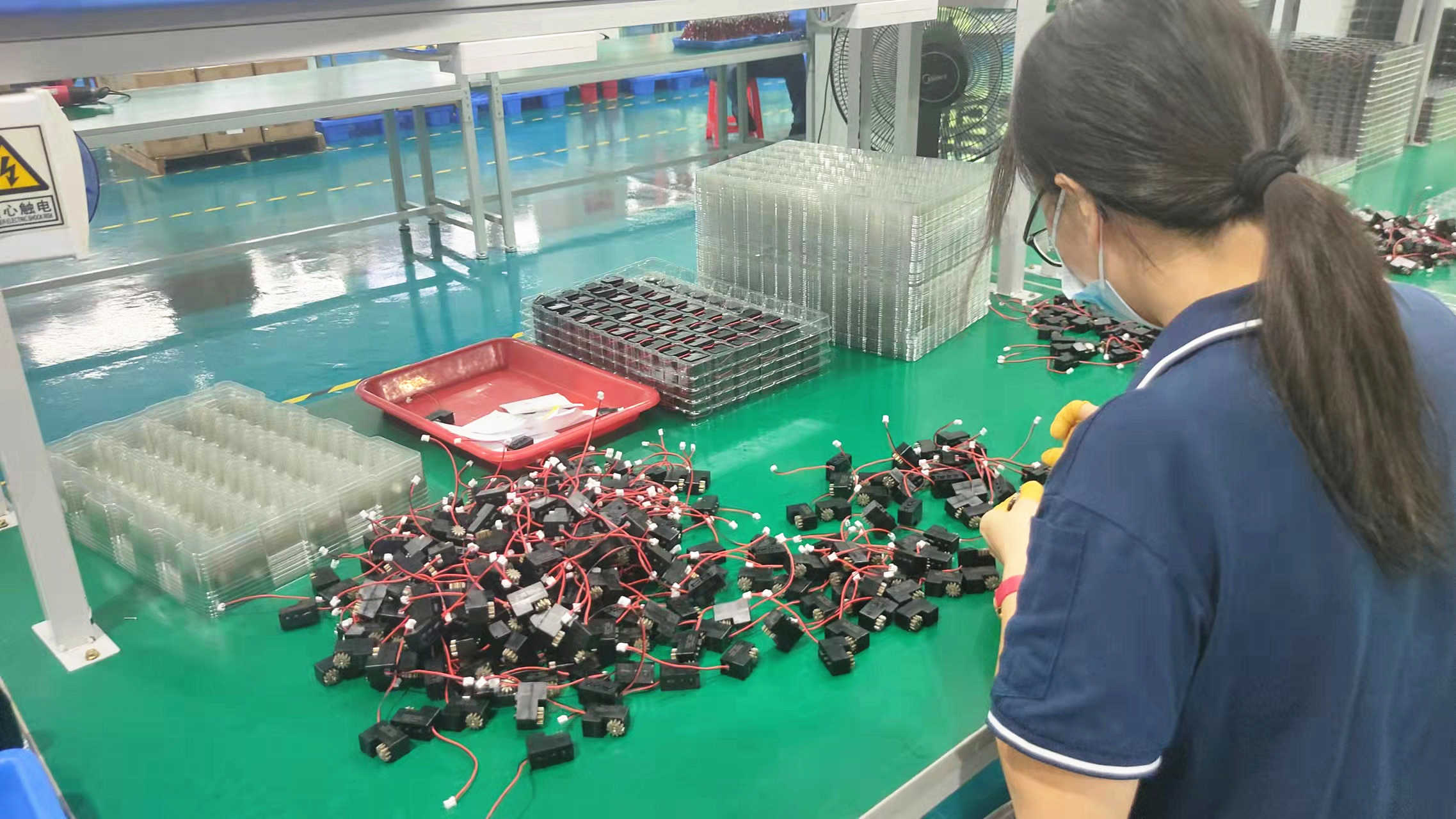
Assembling process Assembling
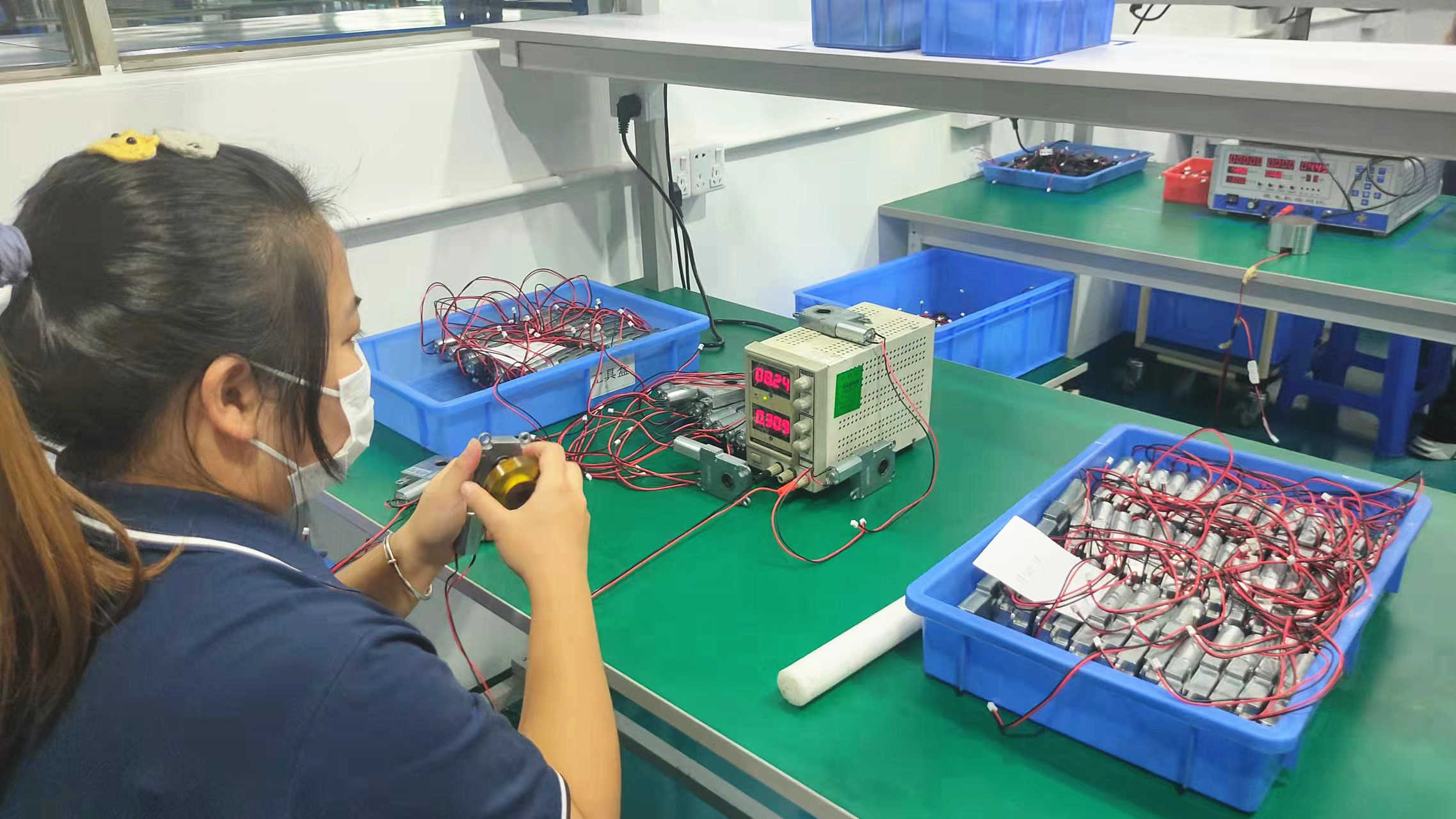
Testing and performance profiling Testing
Packing and protection Packing
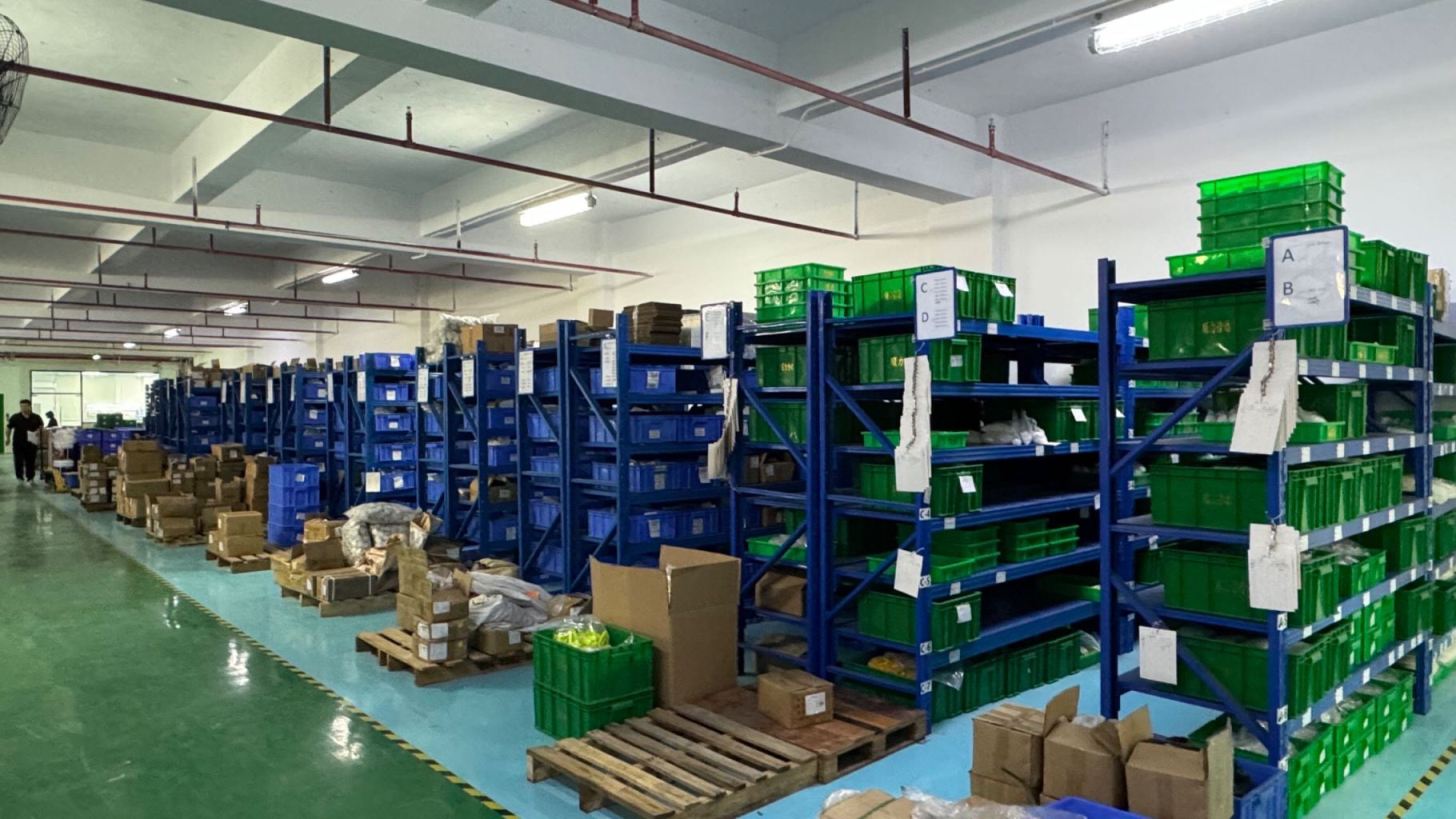
Storage and delivery management Storage

China Factory 4.0: Precision Equipment & Machinery

Integrating ultra-high precision machining centers to ensure absolute concentricity, dimensional accuracy, and mechanical reliability.
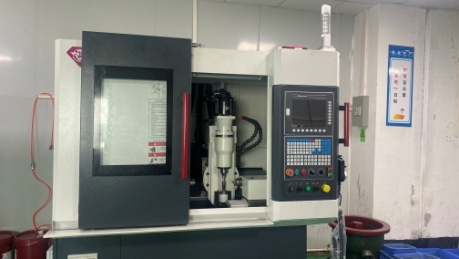
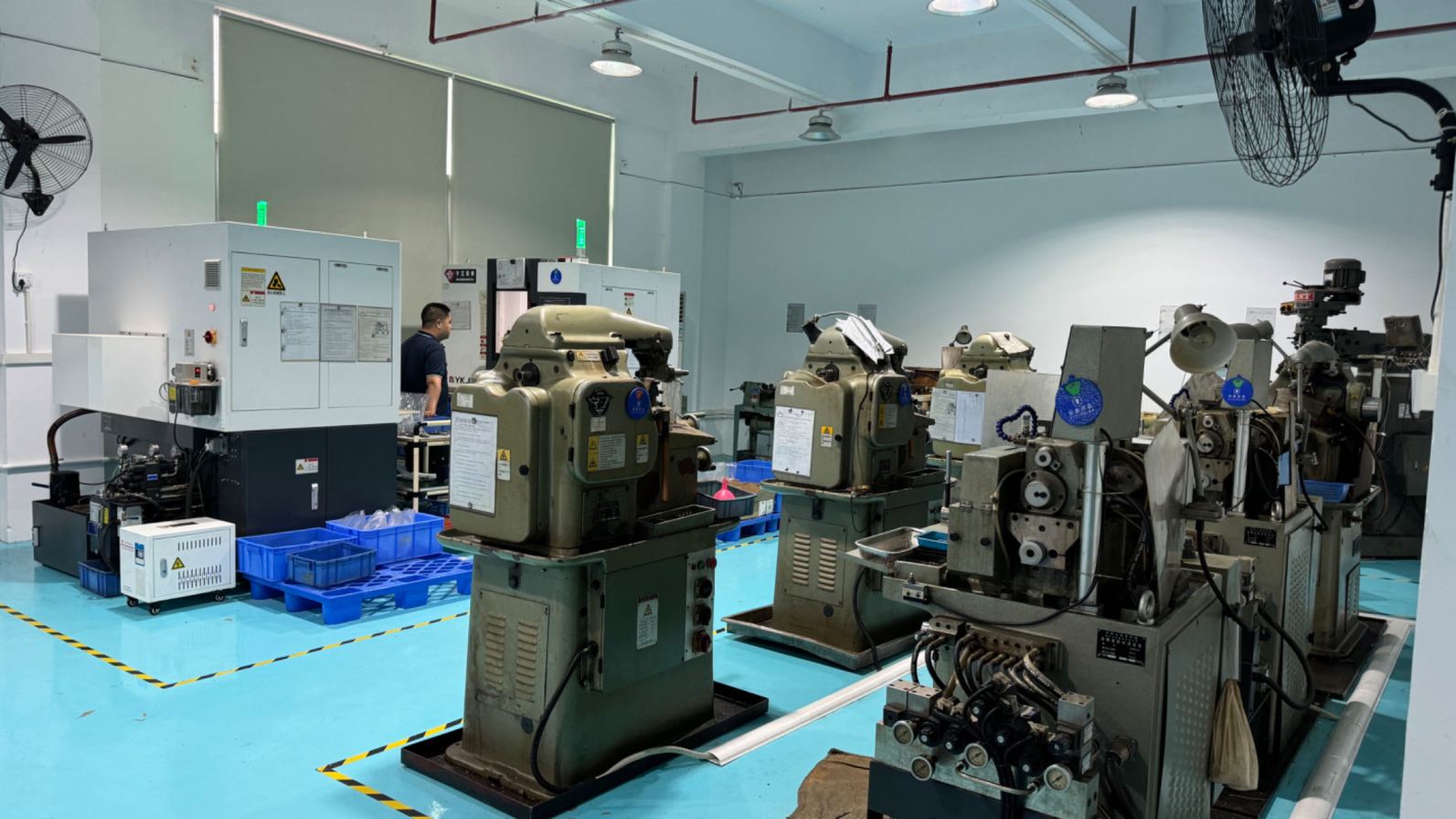
Ningjiang Machine Tool
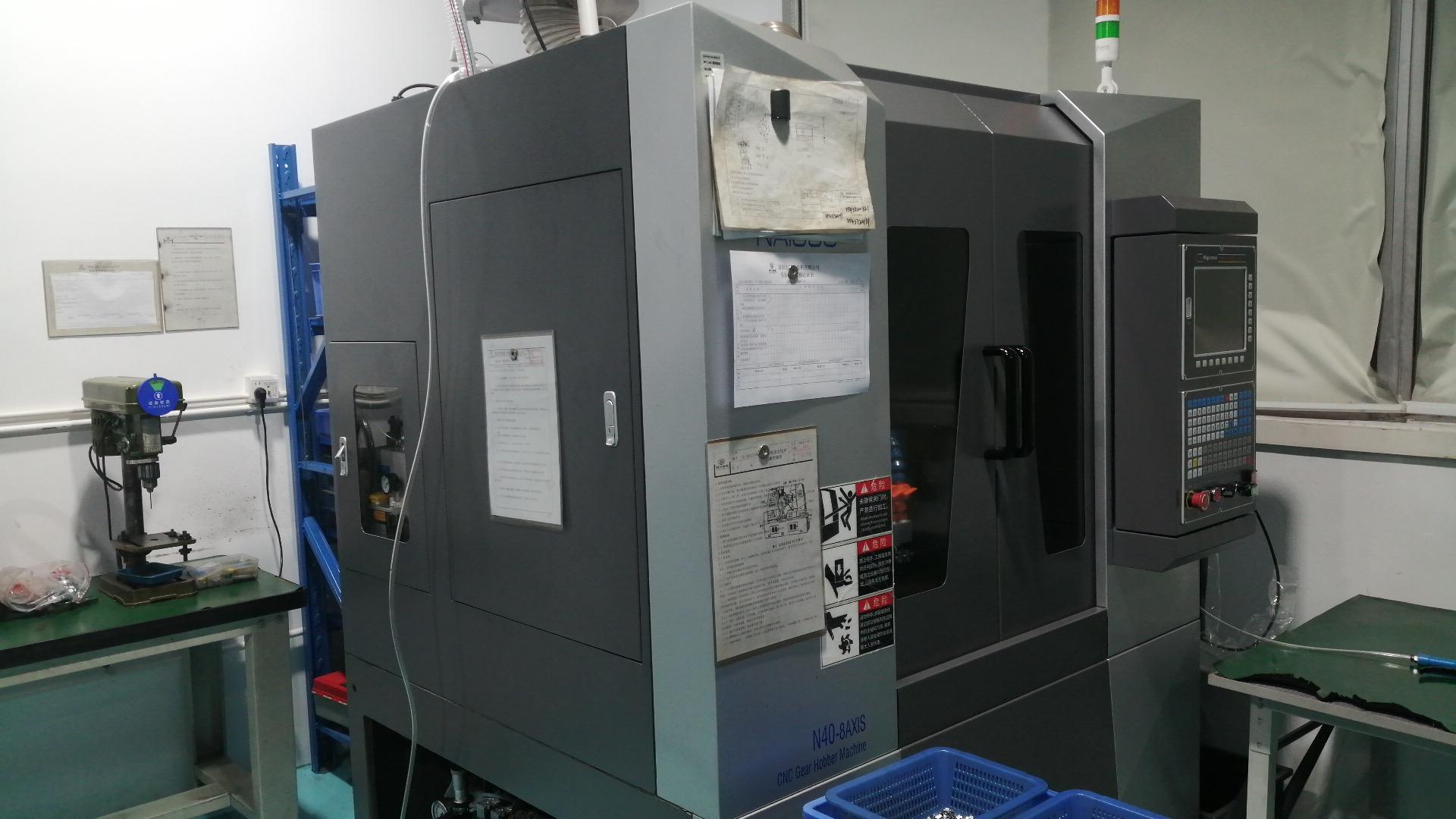
High Precision Horizontal Gear Hobbing Machine
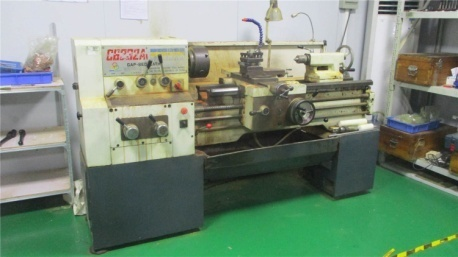
Lathing Machine
Lathing Machine
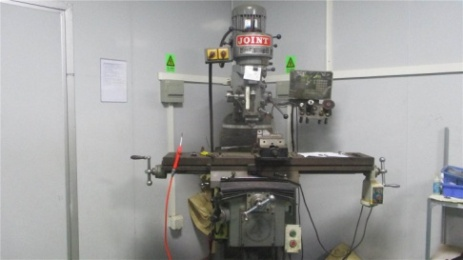
Milling Machine
Milling Machine
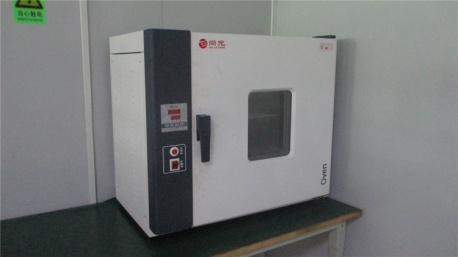
Drying Oven
Drying Oven
Automatic Gear Riveting Machine
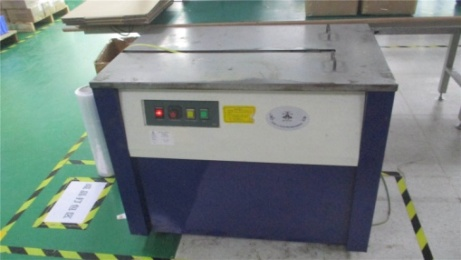
Packing Machine
Packing Machine
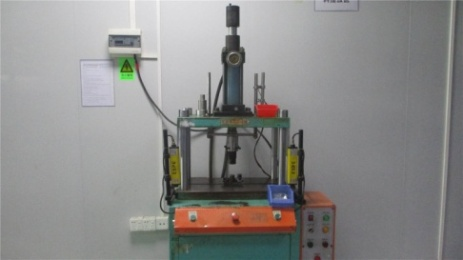
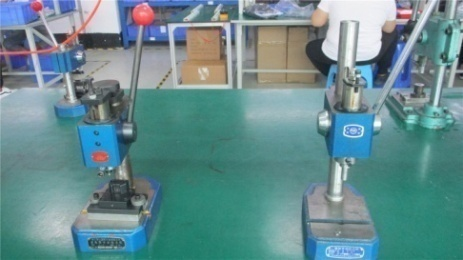
Pneumatic Pressing Machine
Manual Pressing Machine
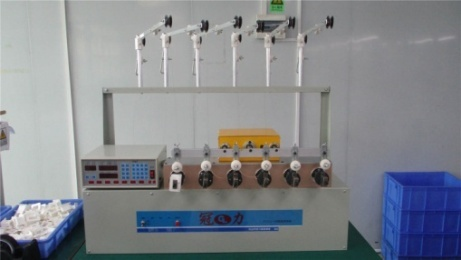
Computer Wire Winding Machine
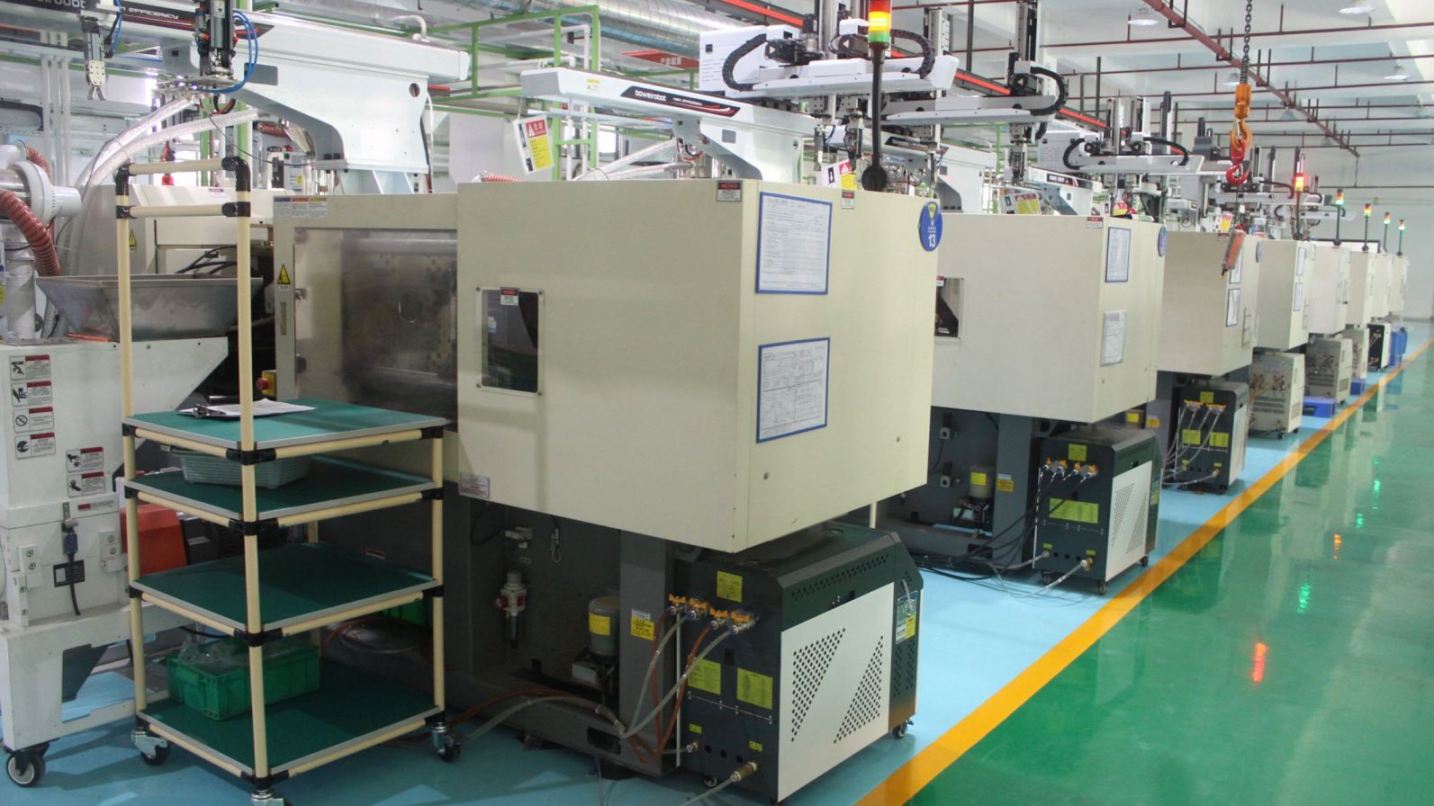
Injection Machine
Injection Machine
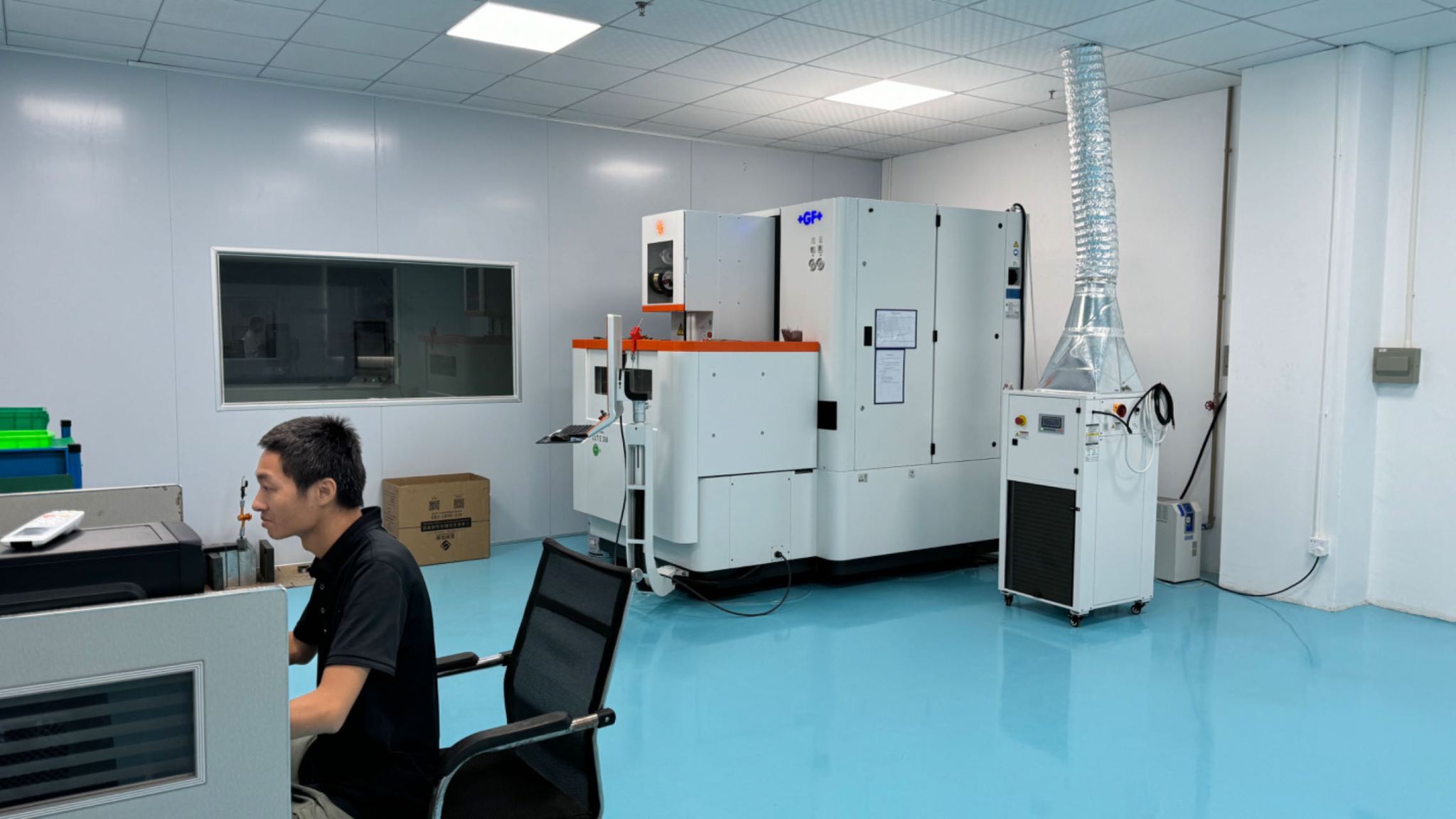
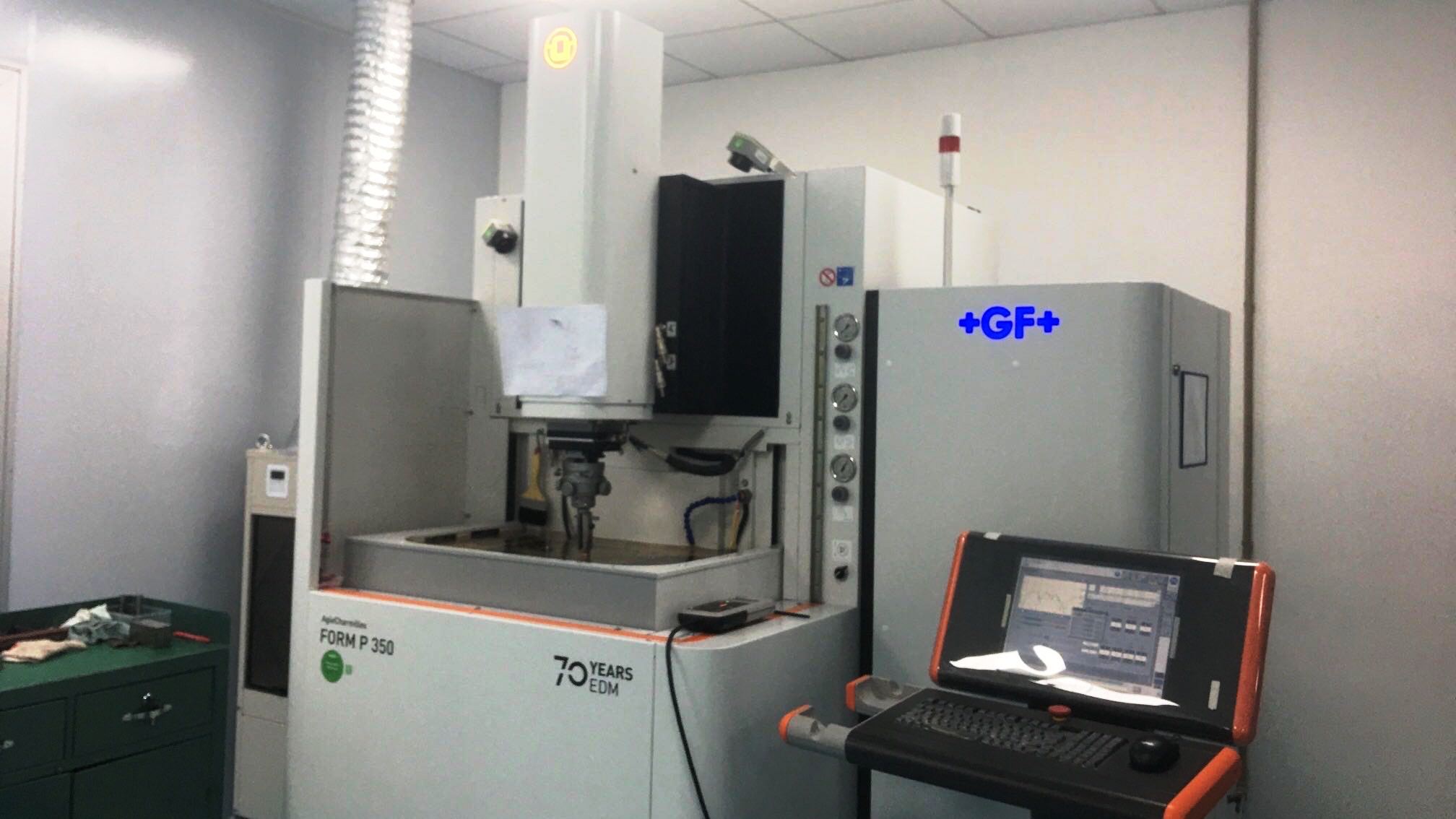
Slow-feeding NC wire-cut machine
EDM
EDM
Hobbing Machine
Hobbing Machine
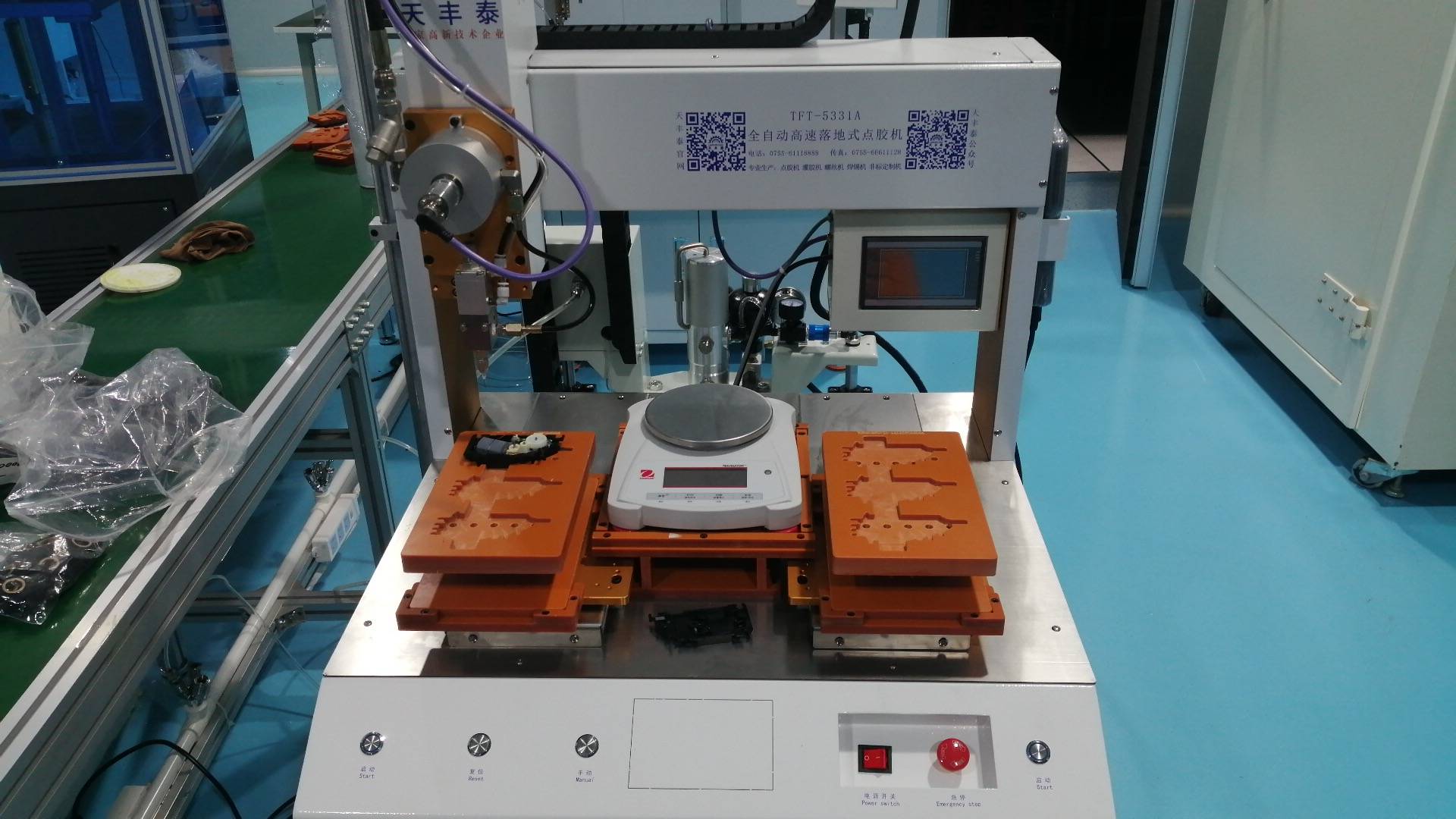
Glue Dispenser
Glue Dispenser
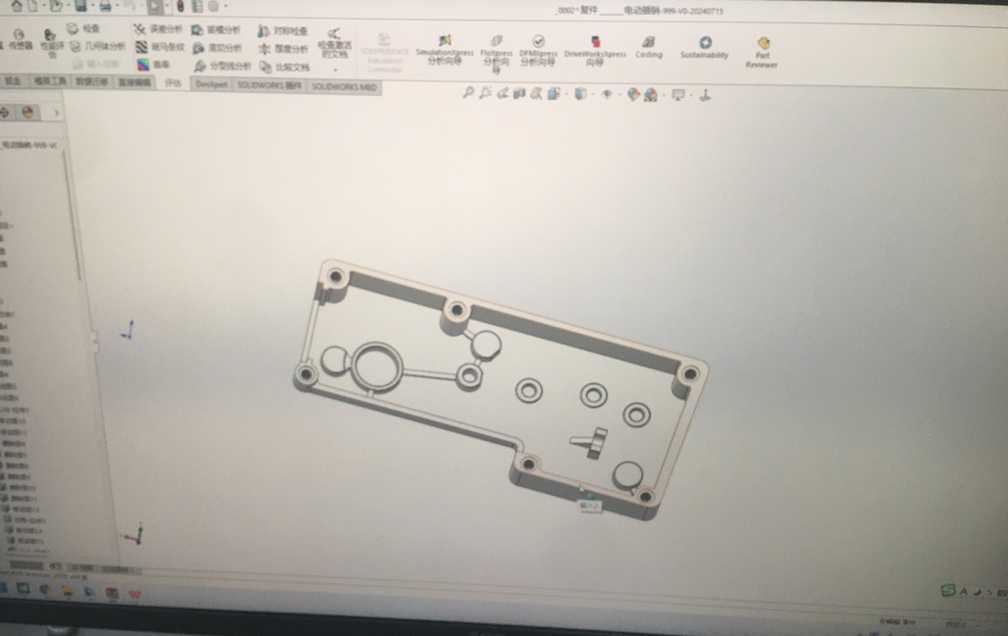
R&D CAD Design Department
R&D Industrial Design

Metrology Laboratory: Strict QC Inspection & Certification

Before shipment, every motion control assembly must undergo extensive electrical and environmental stress screening.
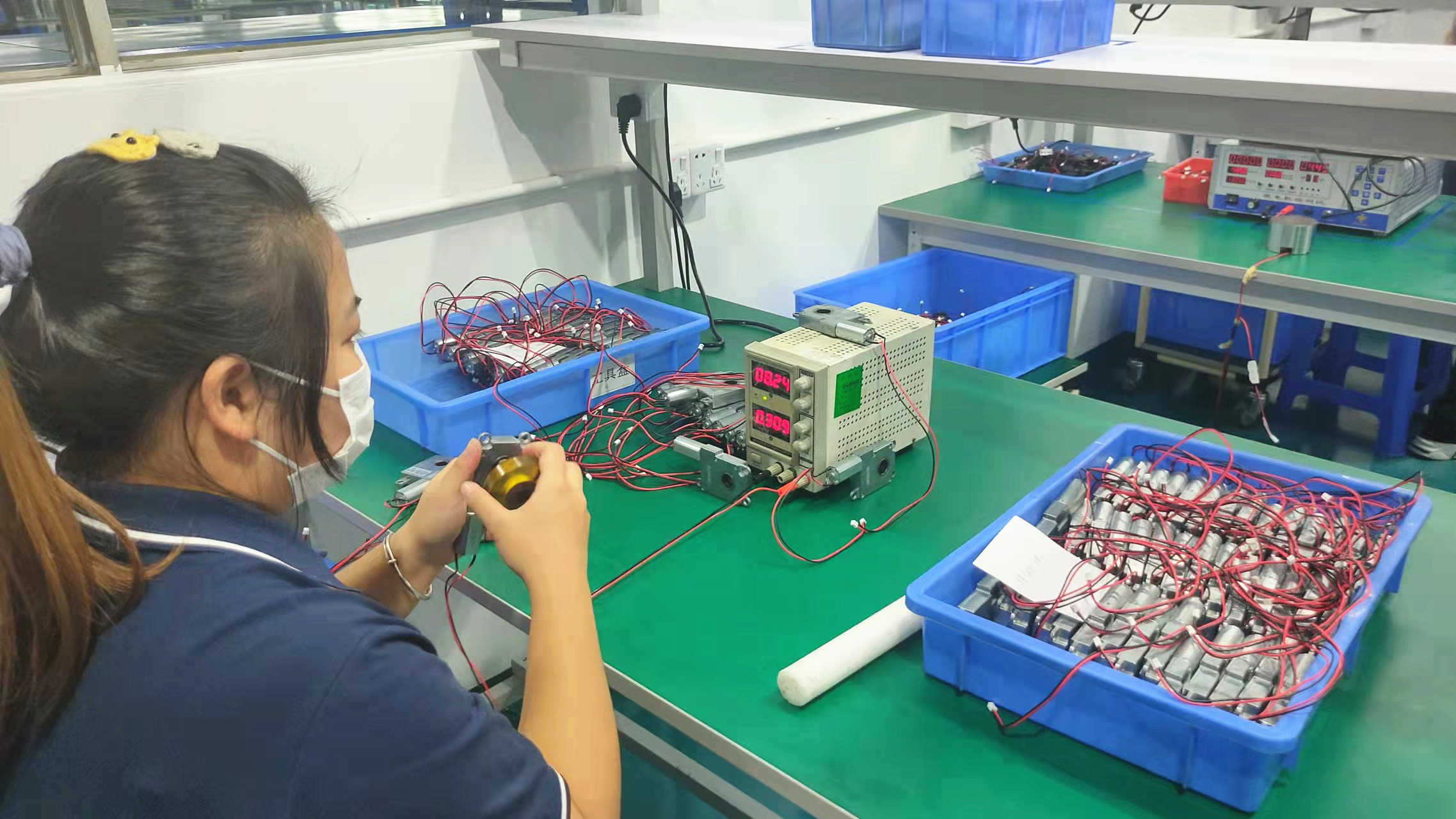
QC Inspection Department Overview
QC Checking Station
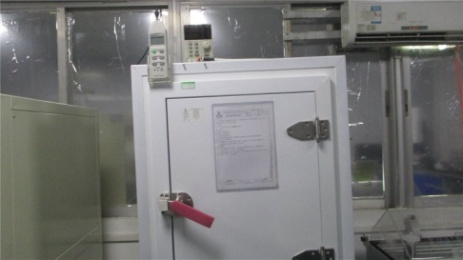
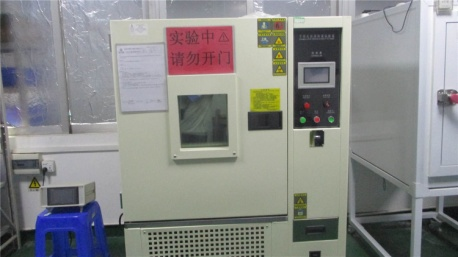
Programmable Constant Temperature & Humidity Testing Chamber
Constant Temp & Humidity Chamber
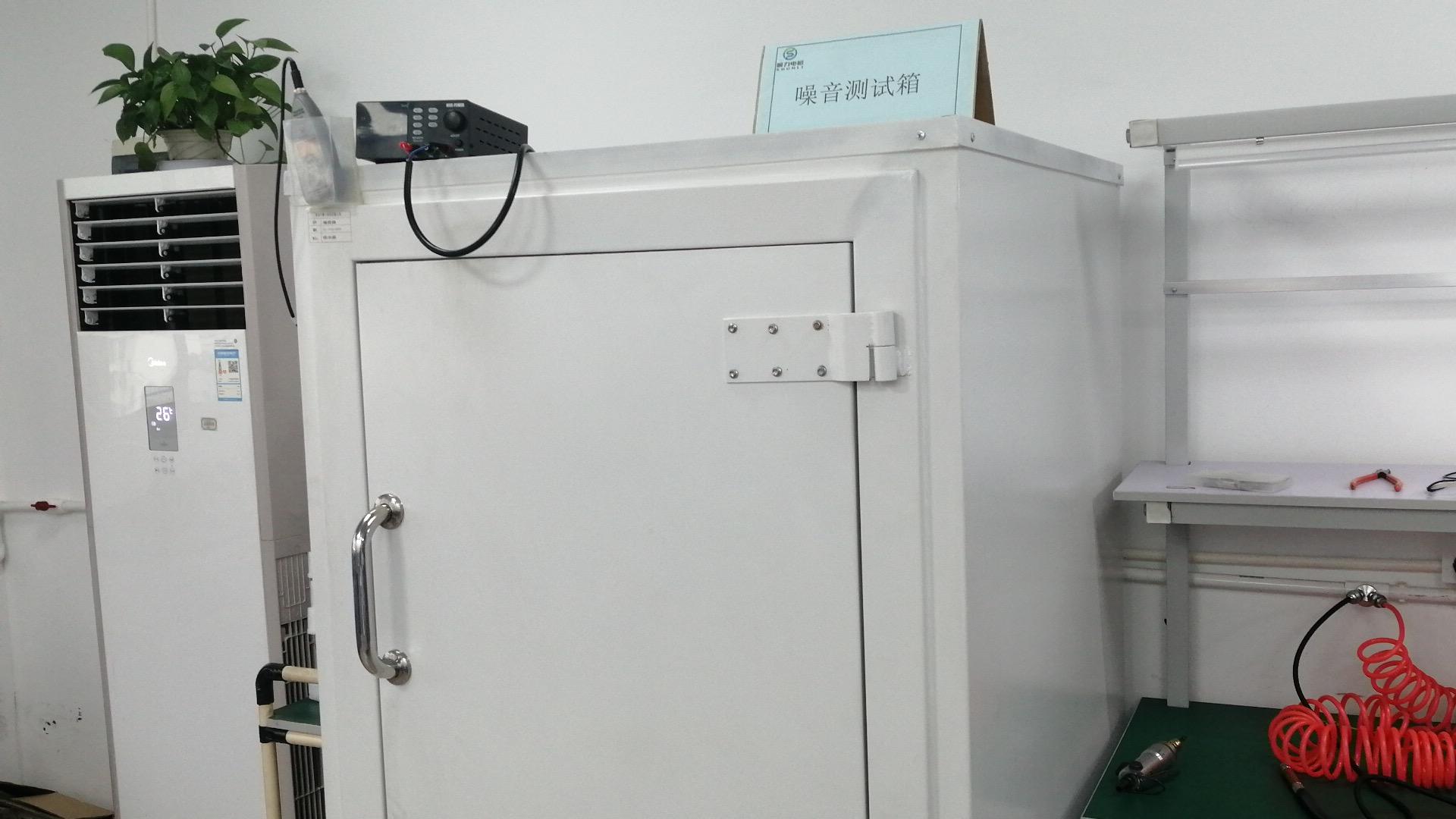
Acoustic Noise Testing Chamber
Noise Testing Chamber
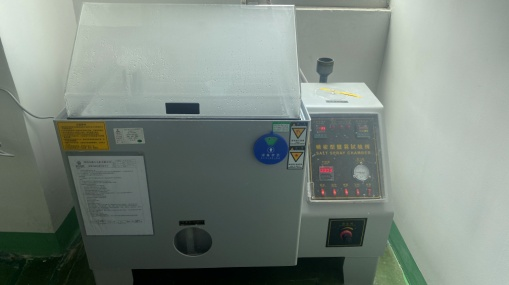
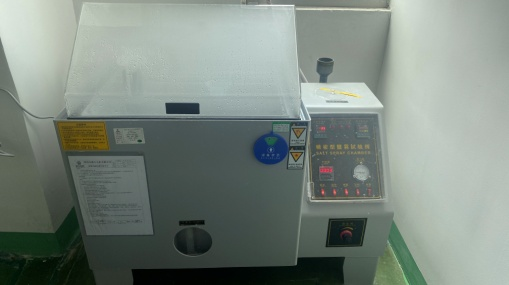
Salt Spray Corrosion Testing Machine
Salt Spray Testing Machine
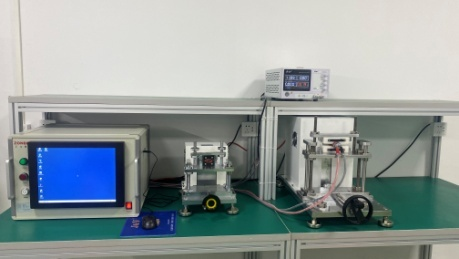
Dynamic Dynamometer Tester
Dynamometer Machine
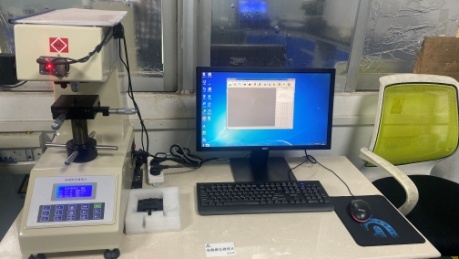
Material Hardness Tester
Hardness Tester
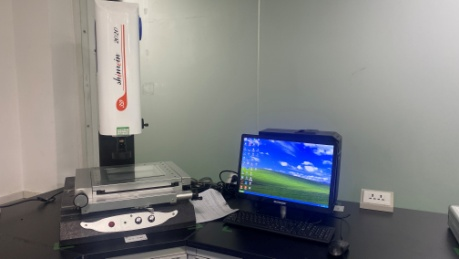
Video Measuring Machine
Video Measuring Instrument
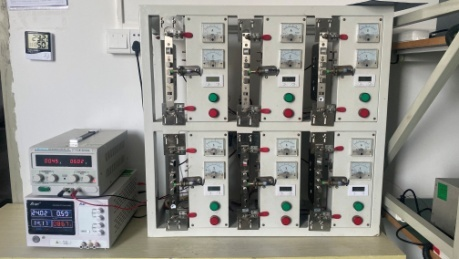
High Temperature Aging Shelf
Aging Shelf
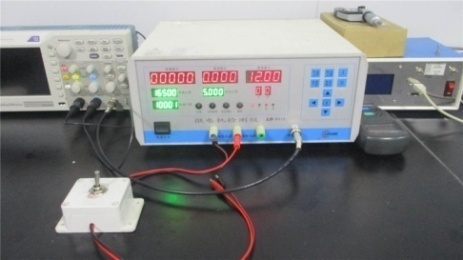
Automatic Motor Parameters Tester
Motor Testing Machine
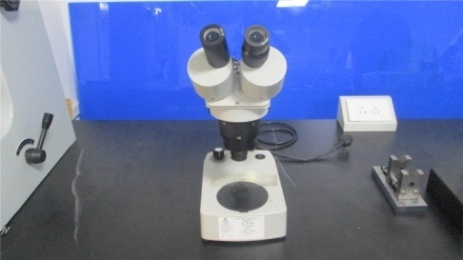
Digital Microscope Station
Microscope Inspection
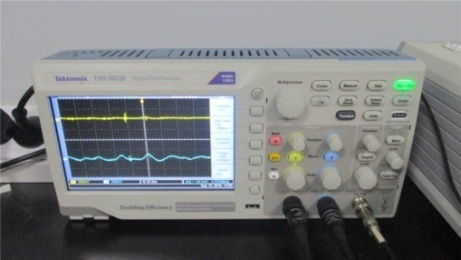
High Bandwidth Digital Oscilloscope
Digital Oscilloscope
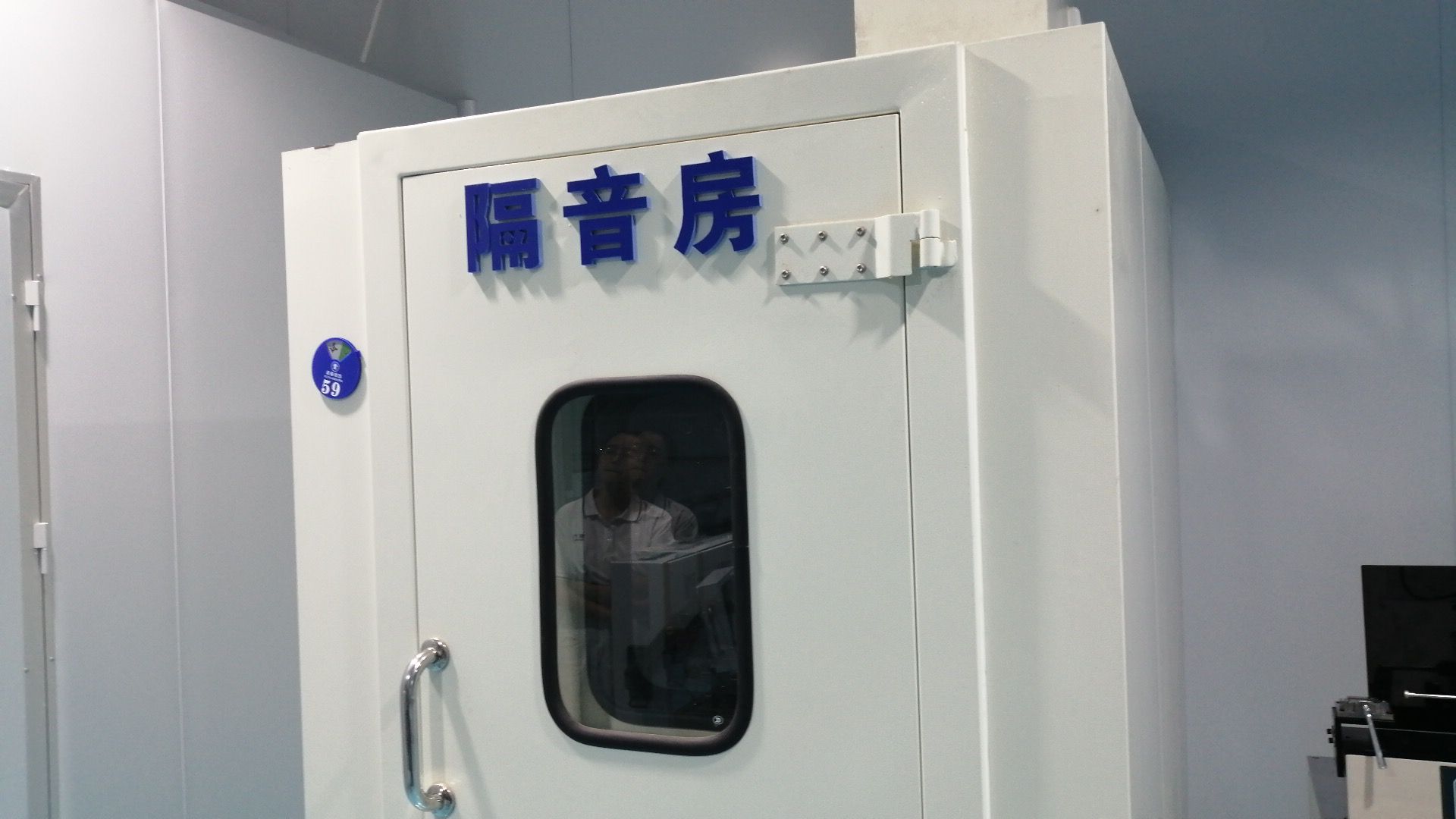
Acoustic Testing Soundproof Room
Soundproof Room
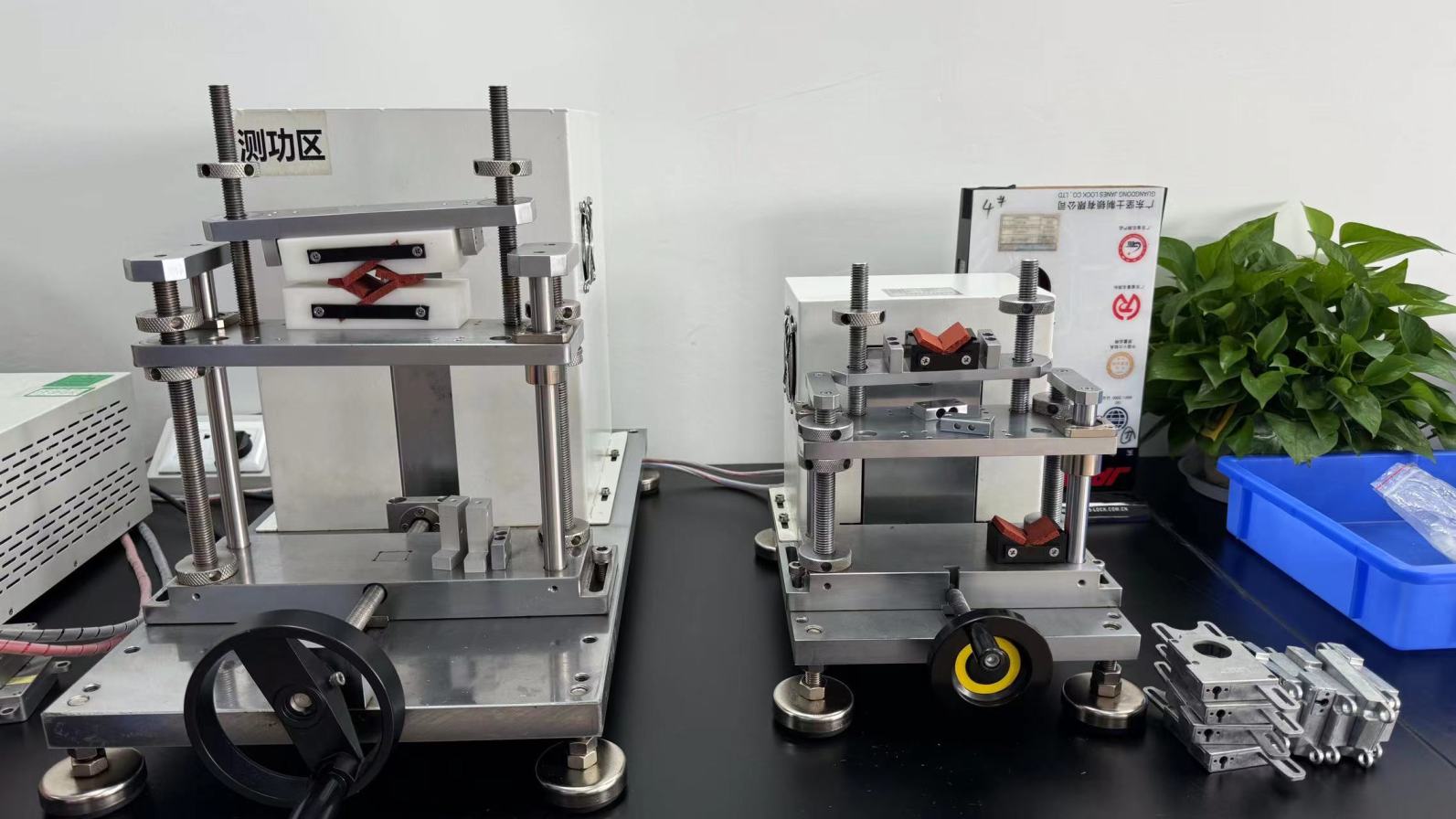
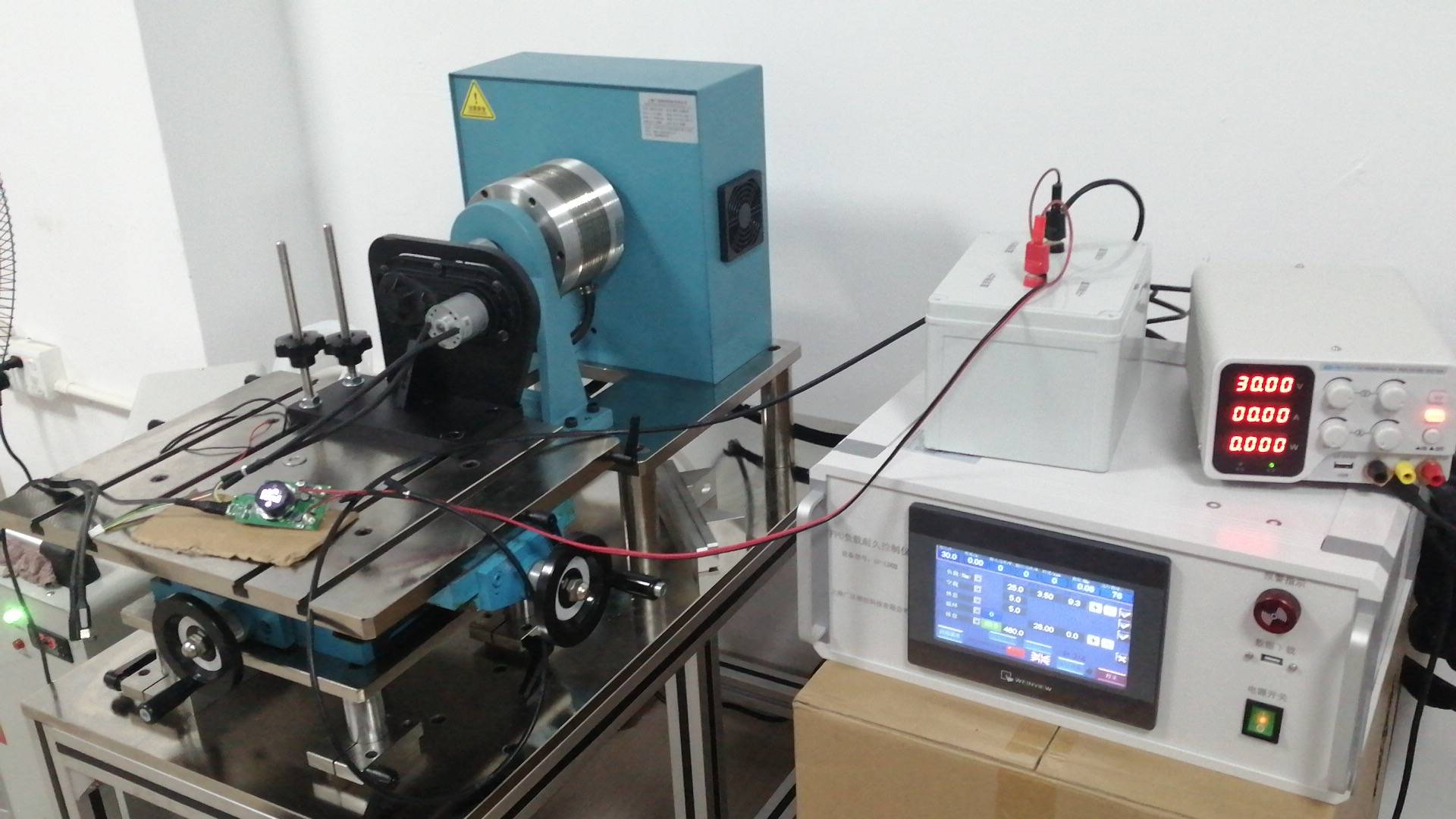
Magnetic Powder Braking Torque Test Station
Magnetic Powder Testing Machine
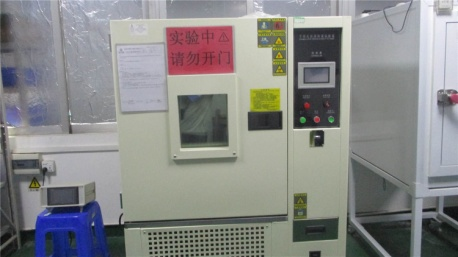
Environmental Simulation Chambers
Constant Temp & Humidity Chamber II
Secondary Noise Isolation Box
Secondary Noise Chamber
Secondary Salt Fog Spray Chamber
Secondary Salt Spray Machine

Industrial Adaptation: Localized Scenario Deployments

Stepper systems and micro geared drives must perform reliably under diverse localized environments. Understanding field-specific thermal, mechanical, and electrical conditions allows TTM Motor to customize controllers that prevent system shutdowns.

Smart Logistics & Dynamic Dosing Systems

In highly automated environments (such as smart sorting hubs and precision agricultural chemical dosing installations), step motor drivers control the volumetric dispensing rates of liquid assets and granular feeds. Environmental challenges include temperature variance and dust deposition. TTM Motor's IP65-rated enclosures and dust-resistant sealing shield the driver PCB, preventing tracking faults and thermal throttling.

Additionally, localized setups in remote locations rely on variable solar or DC battery power. Our low-loss driver topologies run efficiently at voltages from 12V to 48V, maintaining precise step resolution even under battery voltage drops.

Automated Industrial Assembly Hall and Production Lines

Medical Diagnostic Instrumentation

Analytical systems (such as high-speed liquid chromatographs, blood analyzers, and automated microfluidic pipettes) demand silent, smooth motion with zero mechanical backlash. Microstepping drivers from TTM Motor utilize advanced current shaping to eliminate low-speed resonance and mechanical vibration, preventing sample cross-contamination.

Our drivers are certified under CE EN 60601-1-2 standards, offering high noise immunity and protecting sensitive diagnostic electronics from electromagnetic interference.

Precision Micro Motor Dynamic Balancing & Winding Station

Expert Engineering FAQ: Stepper Motor Drivers & Control

Crucial information and technical answers for motion control engineers and procurement managers.

Why is CE Certification critical for stepper motor drivers?
CE compliance ensures that the driver adheres to strict European safety, health, and environmental standards. For step motor drivers, this primarily covers the Low Voltage Directive (LVD) and the Electromagnetic Compatibility (EMC) directive, verifying the unit will not emit harmful electrical noise or fail under high-frequency interference.
What is the benefit of using microstepping?
Microstepping splits a standard full step (typically 1.8 degrees) into smaller sub-steps (up to 256 microsteps per full step). This increases positioning resolution, reduces low-speed vibration, suppresses resonance peaks, and ensures smoother mechanical transitions across all axes.
How does closed-loop control compare to open-loop?
Open-loop control commands motion but does not verify if the physical rotor moved. Closed-loop control reads feedback from an encoder to continuously adjust drive currents. This corrects position errors, prevents step loss under load spikes, and reduces heat dissipation.
How can driver electromagnetic interference (EMI) be reduced?
We reduce EMI by using optimized multi-layer PCB layouts, isolating power and logic signals, adding differential filters on the step/dir lines, using shielded cables, and enclosing our drivers within heavy-duty aluminum housings.
What communication interfaces does TTM Motor support?
Our controllers support traditional Step/Direction signals, analog input control, as well as industrial fieldbuses like RS-485 Modbus RTU, CANopen, and high-speed EtherCAT for multi-axis configurations.
Does TTM Motor offer custom driver firmware engineering?
Yes. We design and compile custom driver parameters, load torque-compensating profiles, optimize acceleration profiles, and configure specific emergency stop protocols within the controller firmware to meet your project requirements.