Selecting the right DC Gear Motor for your project requires careful consideration. The global market for DC gear motors is projected to grow by 6.2% annually, reaching over $8 billion by 2026, according to a recent report by ResearchAndMarkets. Such growth indicates the rising dependence on these motors in automation and robotics. Expert John Smith, a recognized authority in motor applications, emphasizes, "Choosing the right motor is crucial for efficiency and performance."
DC Gear Motors are widely used in industries ranging from automotive to aerospace. With their ability to provide high torque at low speeds, they suit various applications. However, many engineers face challenges when choosing the right specifications. Oversizing a motor can lead to energy waste, while undersizing may cause failures.
Potential users must ask themselves: What is the application's specific need? Beyond standard specifications, factors like efficiency, size, and cost also matter. Careful reflection on these elements can lead to successful project outcomes. As industries evolve, staying informed about advancements in DC Gear Motor technology becomes essential for reliable project development.
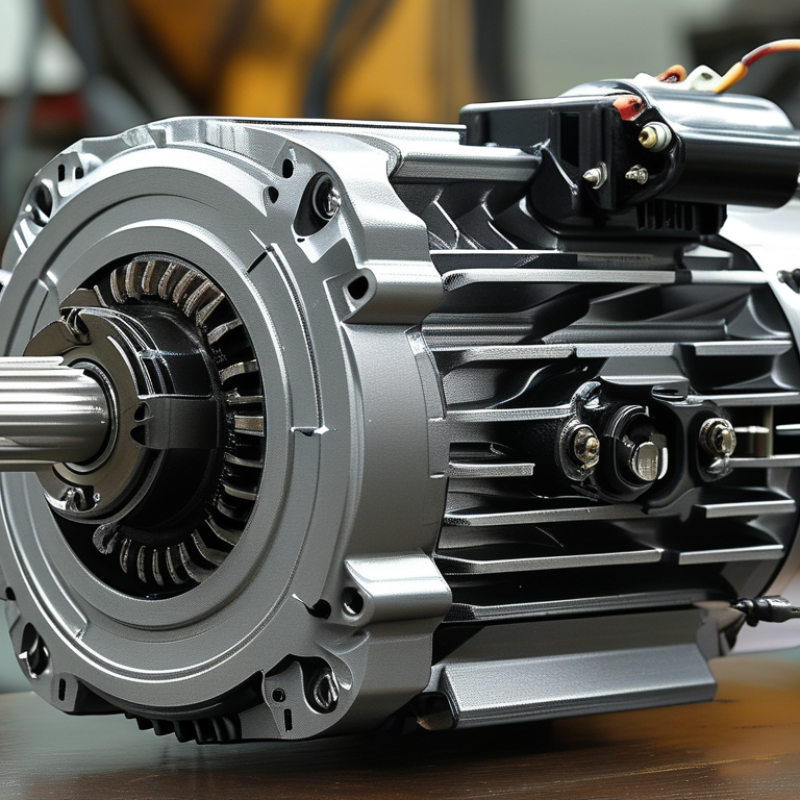
Understanding DC Gear Motors and Their Applications
DC gear motors are essential components in various applications, from robotics to industrial automation. Understanding their inner workings helps tailor solutions to specific needs. These motors combine a DC motor with a gear assembly, creating high torque and low-speed options. They excel in areas that require precision and control, such as conveyor systems and robotic arms. When selecting a motor, consider efficiency and application requirements.
Tips: Look for gear motors that provide clear technical specifications. Assess load needs early in the project. Sometimes, a seemingly perfect option may fall short under high-stress conditions.
Different gear ratios alter speed and torque output. Lower gear ratios typically offer higher torque but reduce speed. This characteristic is crucial for applications needing strong lifting power. Align the motor's output with your project’s demands to ensure optimal performance.
Consider the environment where the motor will operate. Some motors may not withstand moisture or dust effectively. Making adjustments based on these factors can significantly impact reliability. Testing different configurations can reveal insights on improving efficiency and performance. A thoughtful selection process leads to better outcomes.
Key Factors to Consider When Selecting a DC Gear Motor
When choosing a DC gear motor, several key factors demand your attention. The first is torque requirements. Determine the load your motor needs to handle. Ensure you select a motor that can provide adequate torque under operational conditions. Underestimating torque can lead to equipment failure.
Speed is another crucial factor. Different applications require different speeds. Identify the speed range that suits your project best. It’s common to overlook this aspect, causing inefficiencies later. Remember, lower speeds often require higher torque and vice versa.
**Tips:** Always calculate the necessary load and conditions accurately. Use simulations to project performance. Limited testing can expose weaknesses in your choices.
Lastly, ensure compatibility with the power supply. Different motors operate on varying voltage levels. Verify that your power source meets the motor's needs. A mismatch could lead to motor damage.
**Tips:** Always double-check specifications. Small errors can lead to significant issues. Quality control in selection is vital for project success.
How to Choose the Best DC Gear Motor for Your Project? - Key Factors to Consider When Selecting a DC Gear Motor
| Factor |
Description |
Importance Level (1-5) |
| Voltage Rating |
Ensure the motor's voltage is compatible with your power supply. |
5 |
| Torque Requirements |
Calculate the torque needed for your application to select the appropriate motor. |
5 |
| Speed Rating |
Determine the required speed in rpm and pick a motor that meets this requirement. |
4 |
| Gear Ratio |
Select a gear ratio that provides the necessary balance between speed and torque. |
4 |
| Size and Weight |
Consider the space constraints and weight limits of your project. |
3 |
| Duty Cycle |
Evaluate how long the motor needs to run and how often it will be turned on/off. |
4 |
| Environmental Conditions |
Assess the motor's ability to withstand dust, moisture, or extreme temperatures in its operating environment. |
3 |
| Cost |
Compare prices while ensuring quality to find a budget-friendly option. |
5 |
Types of DC Gear Motors: A Comparative Analysis
When selecting a DC gear motor, understanding its types is essential. There are primarily three types: brushed, brushless, and stepper motors. Brushed DC motors are widely used due to their simplicity and low cost. According to industry reports, they account for over 60% of the market share. However, their lifespan can be limited due to brush wear.
In contrast, brushless DC motors are more efficient and offer a longer lifespan. They eliminate the brushes, reducing maintenance needs. Data shows that brushless motors can operate effectively for over 10,000 hours. This reliability is appealing for applications requiring constant use. Yet, they may come at a higher cost and complexity for integration.
Stepper motors provide precise control over position and speed. They are favored in applications like robotics and CNC machines. Research indicates that these motors can achieve resolute accuracy, with some models offering up to 200 steps per revolution. However, they often consume more power at rest, potentially leading to heating issues. Choosing the right type requires weighing these characteristics against project requirements.
DC Gear Motor Types and Comparative Characteristics
Calculating Torque and Speed Requirements for Your Project
When selecting a DC gear motor, understanding torque and speed requirements is crucial.
Torque measures the motor's ability to perform work. It’s important to determine how much load your project will carry. A heavy load needs a motor with higher torque.
For instance, a vehicle that transports goods requires different specs than a small robotic arm manipulating delicate items.
Speed is equally essential. It describes how quickly the motor can turn. Knowing the desired speed helps in selecting the right gear ratio.
A higher gear ratio means more torque but less speed. Balancing these factors is an art. You might find that a motor seems perfect on paper, yet it underperforms in real-world conditions.
Consider the environment too. Heat, humidity, and dust can affect performance. These factors often go unnoticed until issues arise.
Testing and revisiting your calculations can unveil new insights. Therefore, even after choosing a motor, keep an eye on its actual performance.
Continuous evaluation ensures the motor meets your ongoing project needs.
Evaluating Quality and Reliability of DC Gear Motor Manufacturers
When selecting a DC gear motor for your project, the quality and reliability of manufacturers are vital. Industry reports indicate that up to 30% of projects fail due to subpar motor components. Choosing the right manufacturer can prevent this. Key metrics to consider include manufacturing standards and testing procedures. Look for companies that adhere to international quality certifications.
Additionally, performance data is essential. A comprehensive evaluation should include torque ratings, efficiency levels, and durability metrics. For instance, a report from the Motor Industry Association shows that motors with over 85% efficiency have a significantly longer lifespan. This can result in higher overall project success rates.
Customer reviews and manufacturer track records provide insight into reliability. Engaging with engineering communities can also enhance your understanding. Sometimes, specifications can seem impressive on paper, yet real-world performance may differ. Engaging in feedback discussions can yield crucial insights about potential issues and help refine your selection process.
FAQS
: They are used in applications like robotics and industrial automation, providing precision and control.
Lower gear ratios offer higher torque but reduce speed, which is essential for strong lifting power.
Consider efficiency, load needs, and the environment to ensure reliability and optimal performance.
Torque measures how much load a motor can carry; heavy loads require higher torque for effective operation.
Motors may not withstand moisture or dust; adjusting for these factors can improve reliability.
Testing configurations helps reveal efficiency insights, ensuring the motor meets project requirements.
Check for quality certifications, testing procedures, and performance data to ensure reliability.
Ongoing monitoring can uncover issues and help adjust the motor to meet evolving project needs.
While high-efficiency motors may last longer, they can still underperform in real-world conditions.
Engaging with peers can provide valuable feedback and insights about reliability and potential issues.
Conclusion
Choosing the best DC Gear Motor for your project involves a comprehensive understanding of their applications and functionality. DC Gear Motors are widely used in various fields, from robotics to industrial machinery, making it essential to assess the specific requirements of your project. Key factors to consider include the operating voltage, current ratings, torque, and speed they can provide, as well as the mechanical configuration needed for your setup.
A comparative analysis of different types of DC Gear Motors can help you identify which one best suits your application's needs. Calculating the necessary torque and speed is crucial for optimizing performance. Additionally, evaluating the quality and reliability of different manufacturers ensures that you select a durable and efficient DC Gear Motor, ultimately leading to the success of your project.

 TTM Motor